Guided by Basira Yeusuff | Interview by Ling Low
In Korean, the phrase saram naemsae (사람 냄새) means the “smell of a person”, but in a figurative sense. It conveys human warmth. To Basira Yeusuff, a chef and restaurateur, Seoul is a city of “human smells”. “It’s got character, but it also has the modernity of a city where public transport arrives on time. So it feels like a mix of a city like Berlin and a more colourful place like Bangkok.”
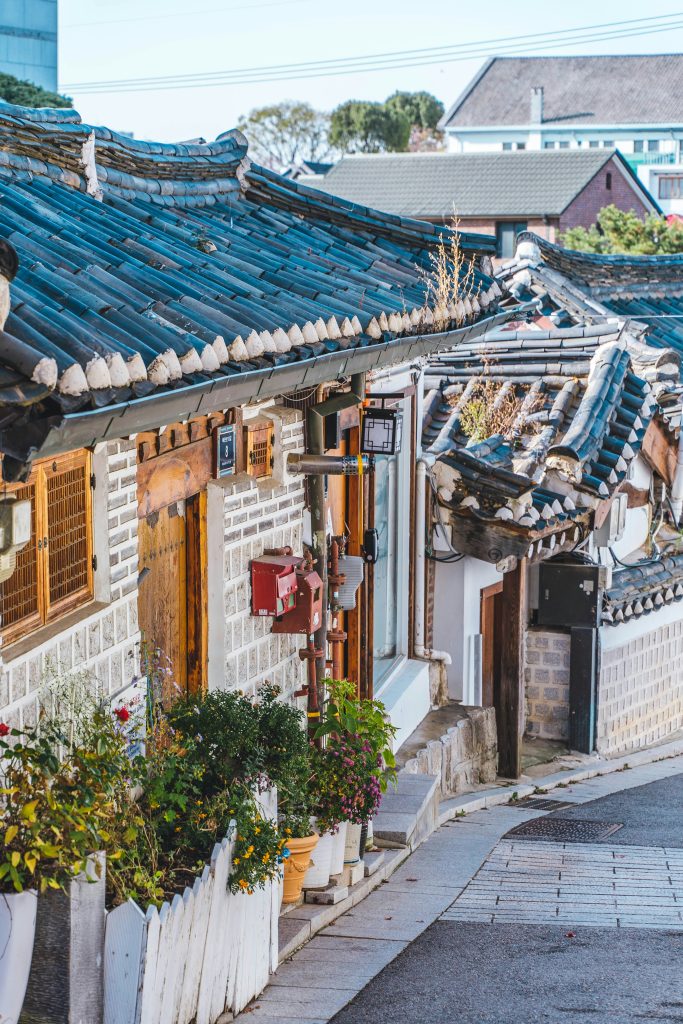
Do a little hanok (traditional Korean house) stay. The amenities are basic but the architecture is beautiful, and some places will have original furnishings. Most are privately owned so you have to look for listings. For a high-end hotel experience in a hanok setting, check out Nostalgia Seoul in Bukchon Hanok village.
Nostalgia Seoul, 1, Bukchon-ro 8-gil, Jongno
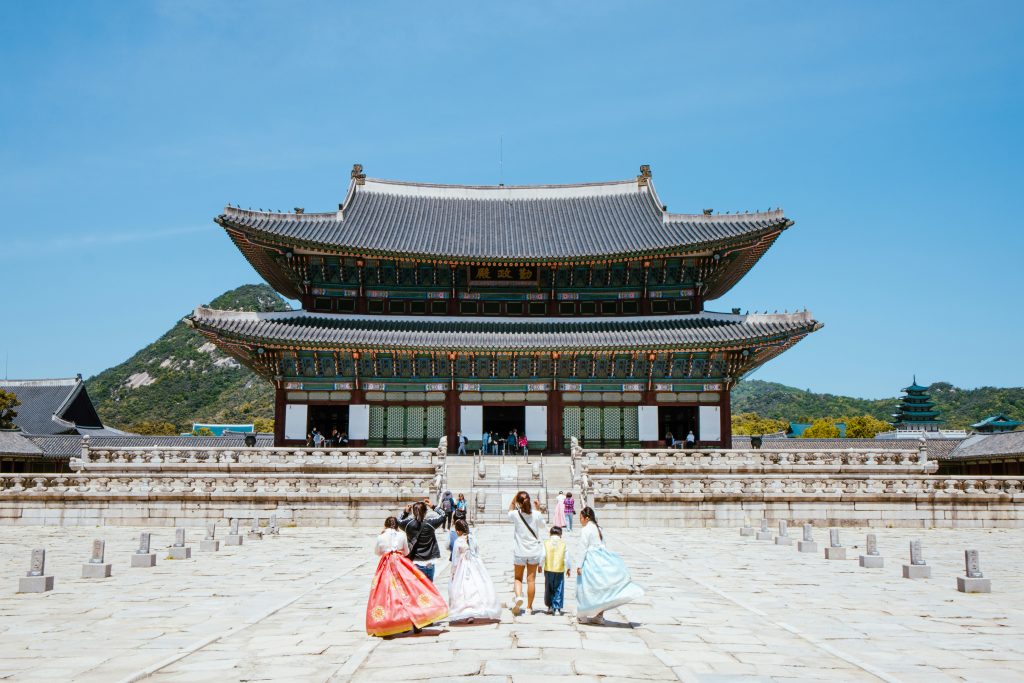
I’m a bit of a romantic, so Gyeongbokgung Palace still takes my breath away. There’s something about standing in Gwanghwamun Square, facing the palace, with a huge mountain, Bugaksan, behind it. Eight years on, the sight still inspires awe in me. The placement of the palace is based on pungsu-jiri (Korean feng shui).
Gyeongbokgung Palace, G161 Sajik-ro, Jongno
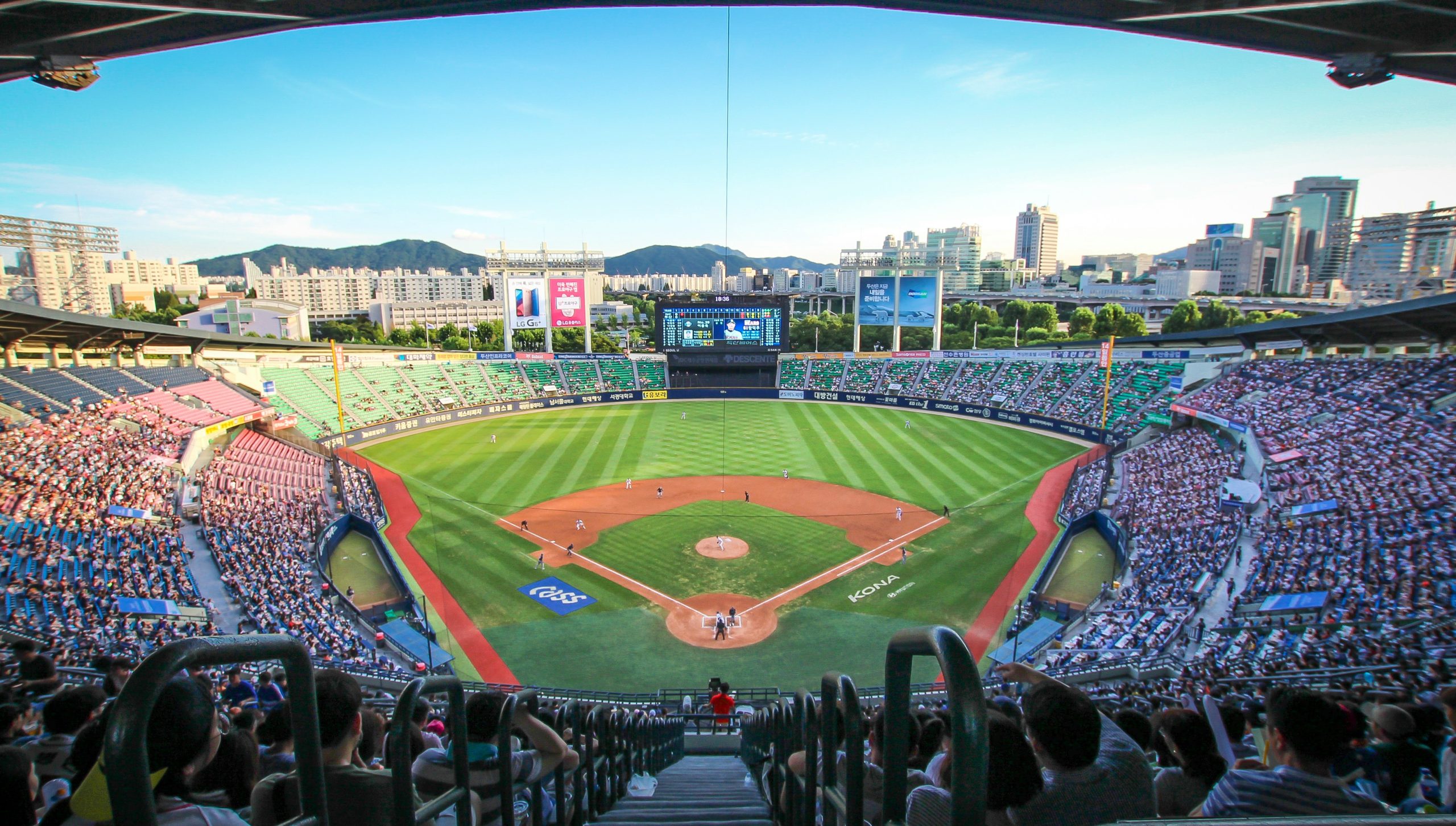
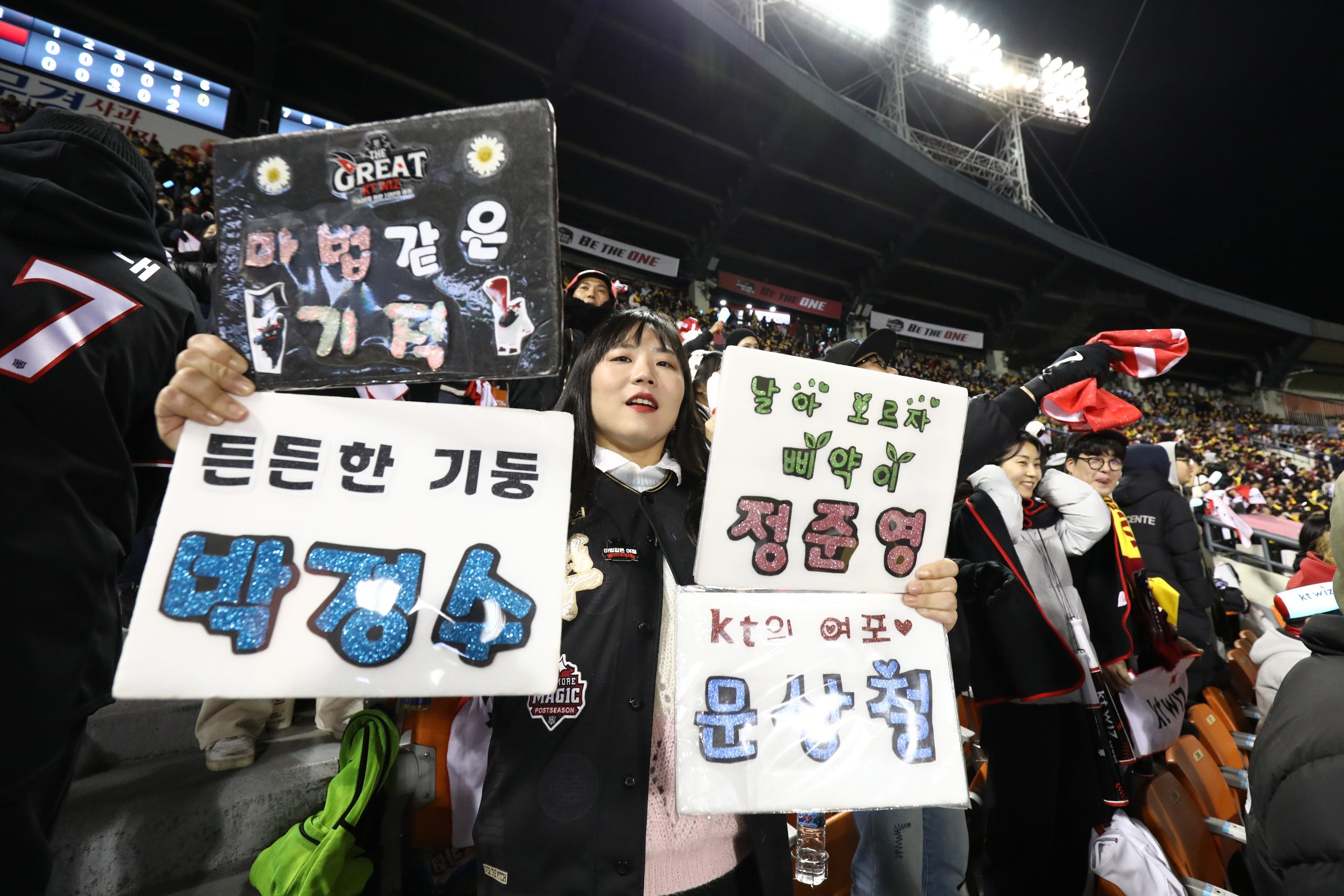
Catch a baseball game at Jamsil stadium. It’s not something you think of when you come to Seoul, but it’s really fun. Even if you’re not a sports fan, you’ll enjoy yourself. Aside from the game, there are breaks with cheerleaders and mascots. Do I always know what’s going on? No. Will I get to eat fried chicken and have fun? Yes.
Jamsil Stadium, 19-2 Olympic-ro, Songpa
Dongmyo Flea Market, Jongno. These are street merchants: only loosely regulated but brimming with characters. I’d skip the “vintage” clothing stores that mostly sell knockoffs at jacked-up prices. Instead, jump into literal piles of used clothes out on the streets. I usually go there to hunt for vintage tableware and look at stolen bikes on sale.
Dongmyo Flea Market, 102-8 Sungin-dong, Jongno
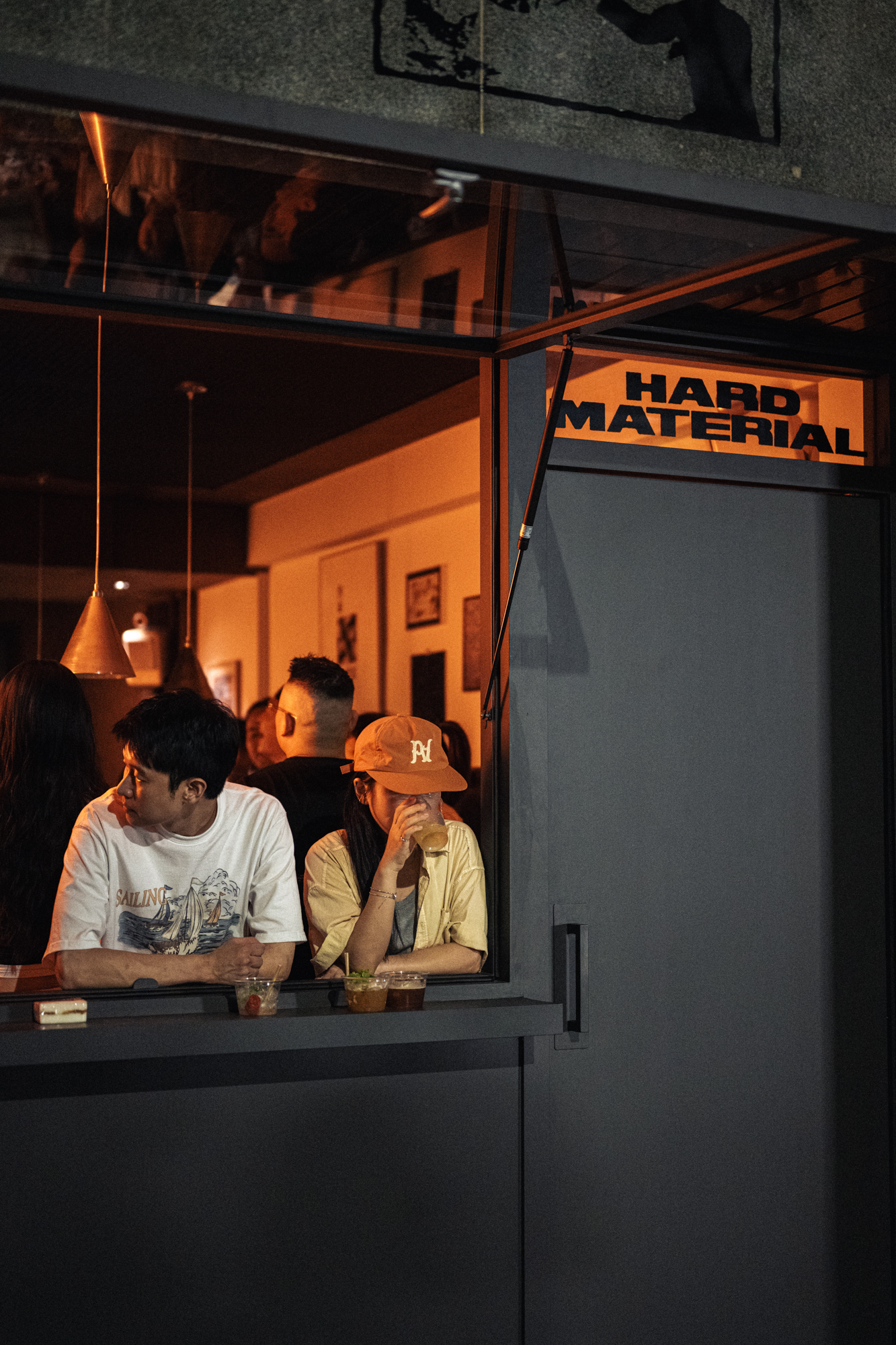
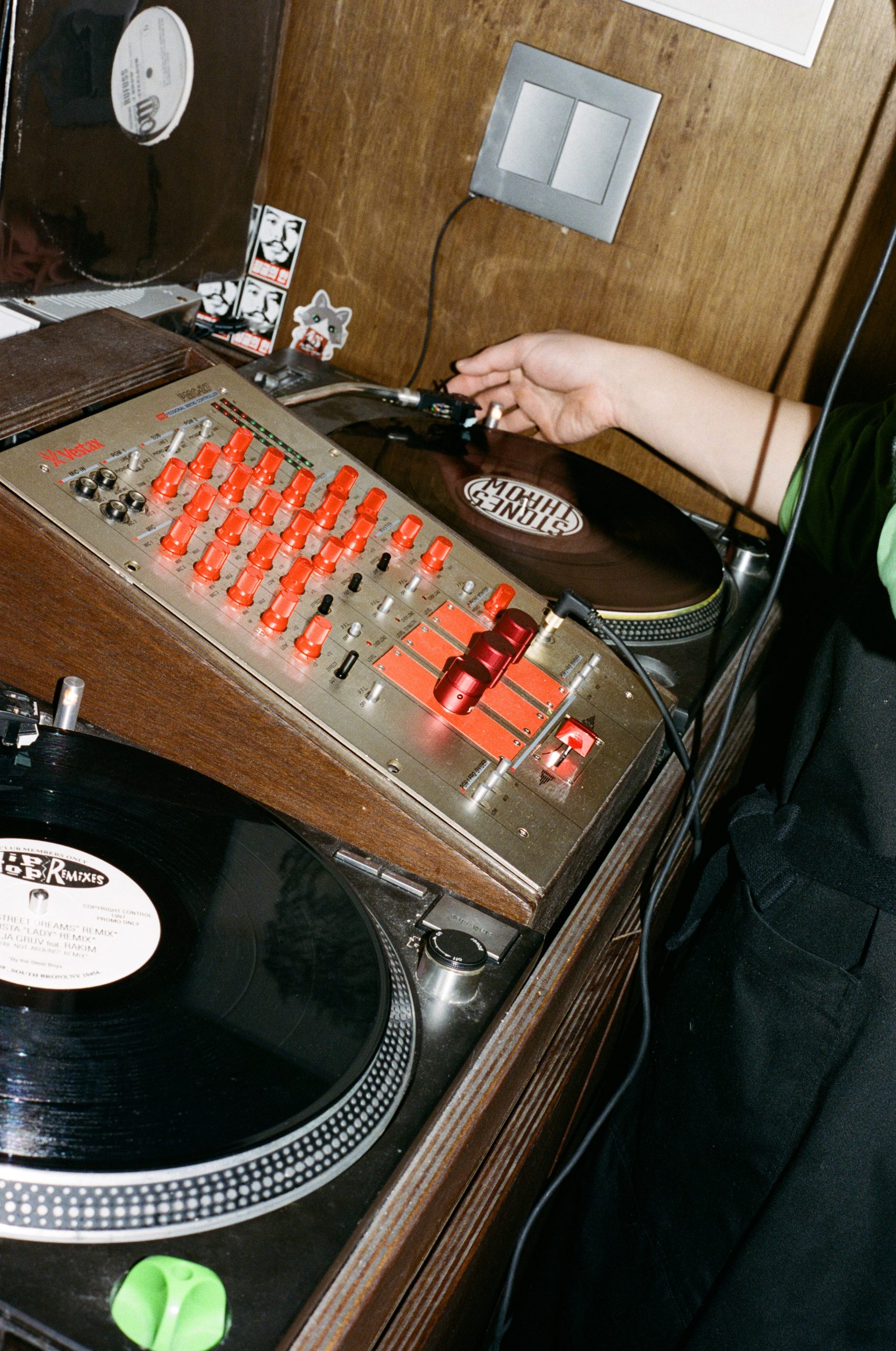
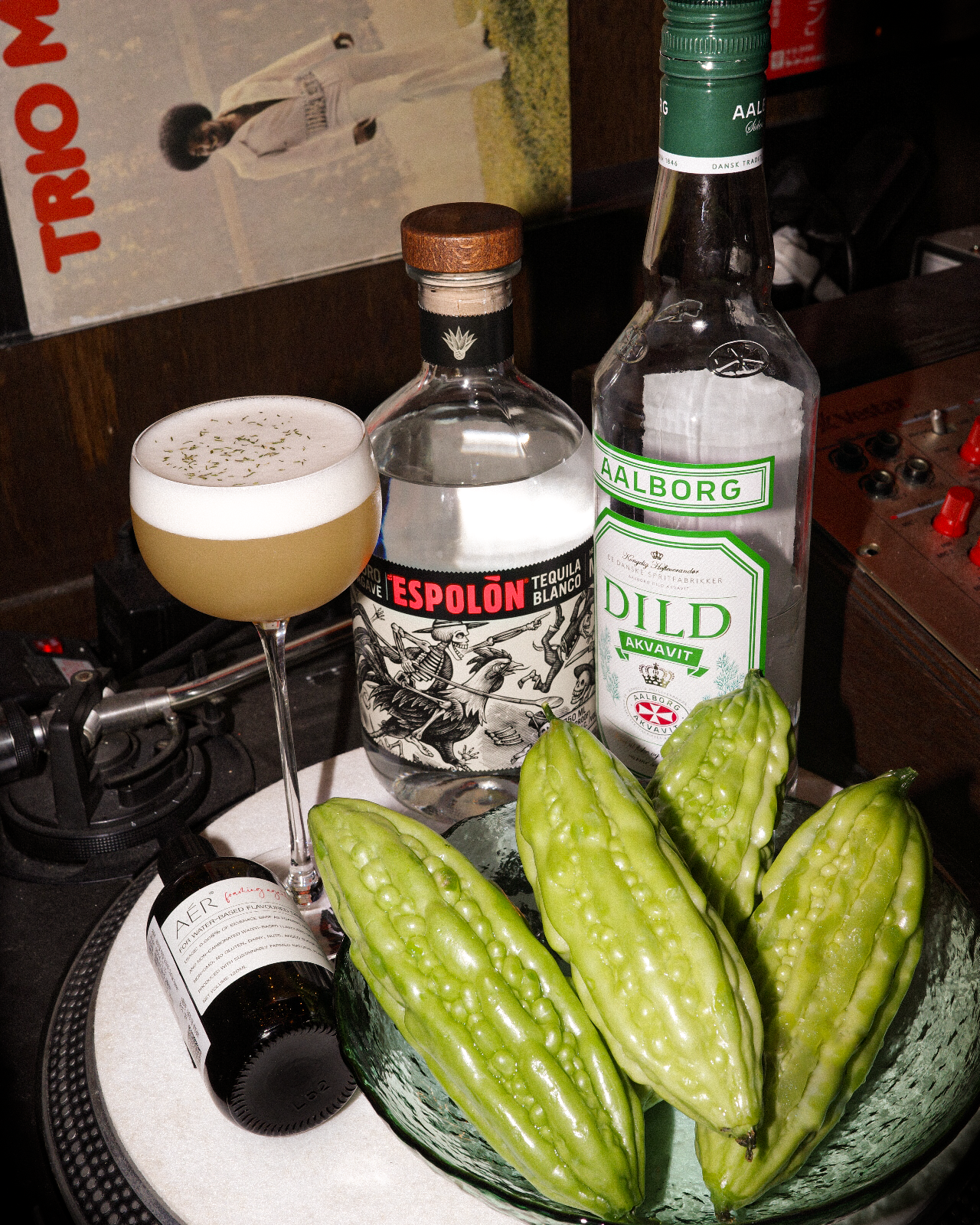
Hard Material is a cocktail bar run by good friends, located between Hapjeong and Mangwon.
Expect creative cocktails, rare vinyls and a solid sound system. Small space, big energy type stuff.
Hard Material, Room 102, 1st Floor, 102 Donggyo-ro, Mapo
Jukiyagi (Juk Story) is a franchise that specializes in Korean porridge with branches across Seoul. It’s stodgy and hearty, with bubur lambuk vibes. They’re known for their abalone porridge but I personally lean towards the dried pollack. They have a variety of flavours besides. While most people would eat breakfast at home, this is a popular franchise for people who’ve been working (or partying) all night. You’ll see many characters there.
Jukiyagi, Various locations
I love Jinju Jib for soybean soup noodles, nestled on the basement floor of an office building in the financial district Yeongdeungpo. There’s always a line but it moves fast. Order the cold soy bean noodles, naengkongguksu, and decide if you want to season them with salt or sugar (I recently discovered I’m Team Sugar). Enjoy with the house kimchi.
Jinju Jib, Units 5–7, 27–28, B1, 33, Gukjegeumnyong-ro 6-gil, Yeongdeungpo
Chungmuro Jjukkumi Bulgogi serves up webfoot octopus grilled over charcoal. Put in an order of scallops and fried rice to round out the meal. Webfoot octopus is quite a common menu item in Seoul, but the way it’s grilled on an open flame here gives you that great wok hei.
Chungmuro Jjukkumi Bulgogi, 1st floor, 11 Toegye-ro 31-gil, Jung
Not enough light has been shed on Korean pizza. It’s not something you can get by walking into a restaurant. There are local pizza franchises like School Pizza and Yellow Pizza, which have no seating, only takeout and delivery (so not many tourists will know about them because most people order via an app). Look out for toppings like sweet potato mousse and bulgogi.
Various locations
Google Maps only recently came into South Korea. So for maps, the more accurate ones to use are Korean: Naver Map and Kakao. Kakao has an English language version, and is also a useful app because of Kakao T, a ride hailing service.
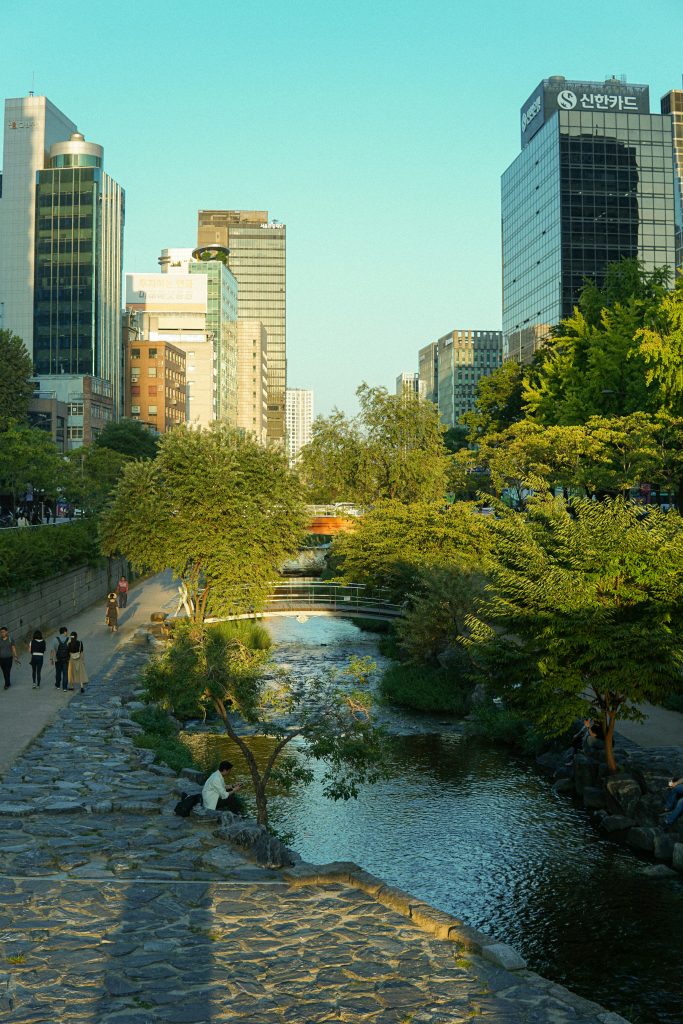
The Cheonggyecheon river that runs through Seoul is a success story of urban regeneration: once filled with concrete and covered by a highway, it was restored as a river in 2003. Since then, it’s become a public space, a soothing tree-lined waterway where people go to walk, exercise and hang out. K Drama fans will also recognise it as a popular filming location.
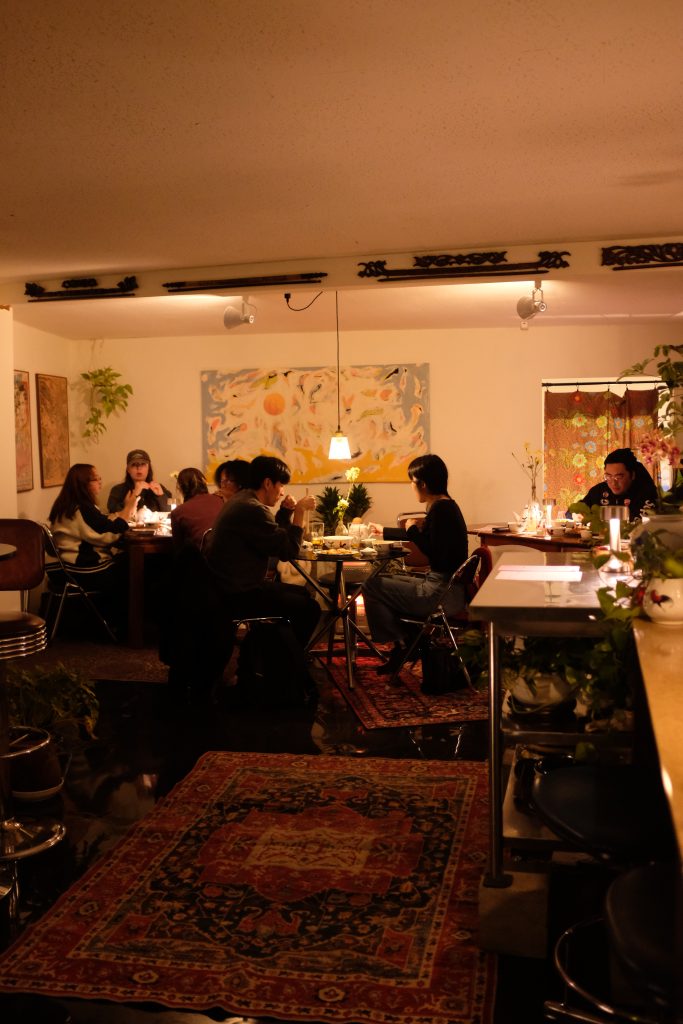
Basira Yeusuff is a chef and the co-founder of KOTA, a cosy Malaysian-inspired restaurant and bar in Seoul. She has lived in Seoul for nine years, and previously ran food ventures in KL.

Esquire Malaysia
©2026, Heart Media Pte Ltd
