
Spend enough time around the Kuala Lumpur jazz scene, and you will eventually hear about lindy hop nights at Jao Tim, dancers packed shoulder-to-shoulder, and a band swinging through Malay originals. Somewhere on stage, usually with a grin and a half-serious joke between tracks, is vocalist Reza Salleh of the local swing jazz band, The Frankie Sixes.
For Reza, the path towards swing music was less of a calculated pivot and more of an accidental collision between music scenes. Before forming the band, he was better known within the local indie singer-songwriter circuit.
In 2017, Reza invited pianist Hin Ee Jeng, bassist Che Wan, and drummer KJ Wong to perform at a jazz gig. Afterwards, he asked if they wanted to stay on permanently. A few years later, saxophonist Eddy Lim and trumpeter Isaac Marvin joined, expanding the band into the six-piece lineup it has today.
With their varied backgrounds, what emerged was a band reinterpreting swing music. Their originals draw on classic rhythms and jazz standards, but the references unmistakably belong to Southeast Asia. One track carries traces of 90s Malaysian patriotic songs. Another nods towards nasyid (Islamic devotional) melodies.
“Why sing about New York or New Orleans when I’ve never even been to those places?” Reza says. “Coming from an indie singer-songwriter background, where I’m used to writing through a personal lens, it made sense for me to do the same in the band.”
That instinct has become central to the band’s identity. While many contemporary jazz acts move towards fusion or experimentation, The Frankie Sixes remain committed to swing. Lim puts it plainly: “Nowadays, it’s rare to find a band that plays a whole night of original swing music in a show, especially in Malaysia.”
That distinctly Malaysian lens matters because swing music, despite its American roots, has long existed within local cultural memory. Wong points towards figures like P. Ramlee and Saloma as proof that jazz has already been absorbed into the region’s musical DNA.
“Approaching it this way lets both the musicians and the audience feel that this music is ours just as much as any other,” he says. For younger audiences encountering swing for the first time, that familiarity helps. So does the dancing.
The band has played at dance festivals and band battles across Thailand, Taiwan, and China. Reza, slightly amused, recalls a sweet moment where the band’s reach became tangible. During a live battle, a Thai band performed one of their original tracks back to them, albeit while accidentally mispronouncing one of the Malay lyrics as “najis” instead of “nangis”.
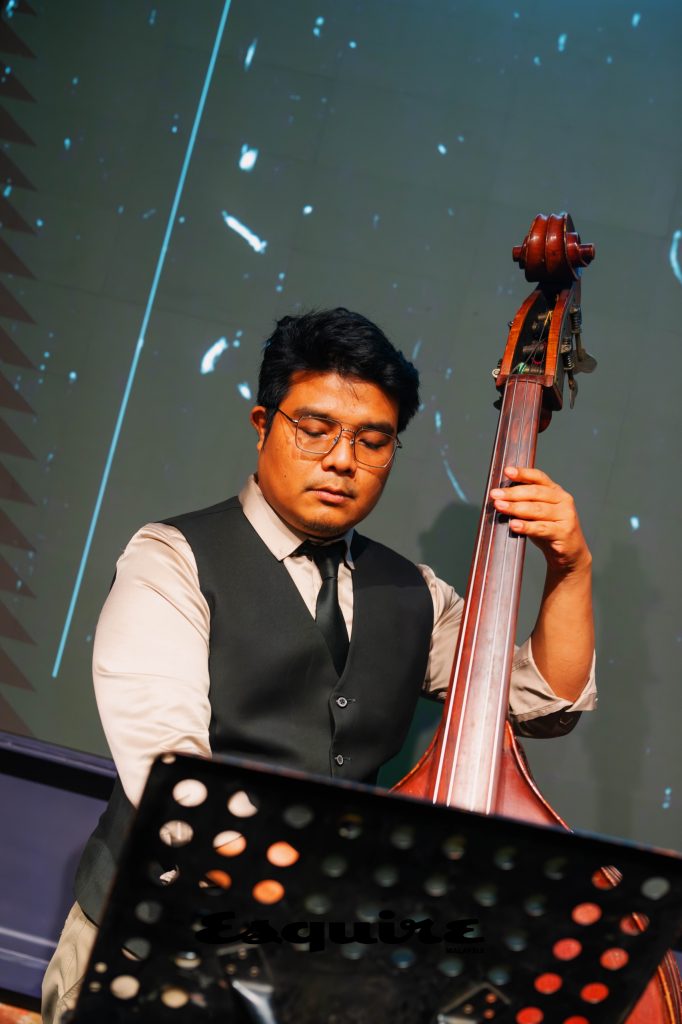
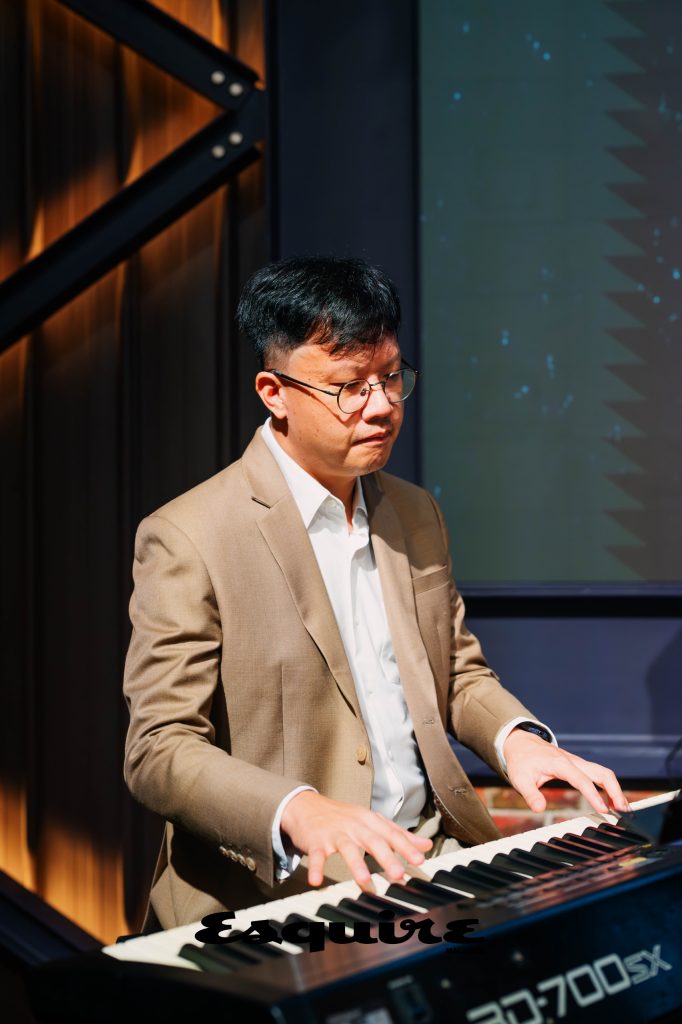
A large part of The Frankie Sixes’ audience comes from the lindy hop dance scene. It has shaped their music in practical ways. Swing arrangements written for seated jazz audiences function differently once dancers are in the mix. Timing becomes physical. Suddenly, the groove matters more. No one knows that better than the guy on the drums.
“With dancers, the focus is often on the pulse of the music,” says Wong. Wan considers it too. “I started thinking less about just playing the bass lines and more about how the groove makes people move.”
I ask them what makes a great night, and nobody starts talking about technical perfection. Reza’s answer is simple. “If you’re dancing, we’re simply facilitators of your joy shared with your dance partners that night. If it’s sit-down, it’s a bit more of a trip,” he says.
Perhaps that explains why I find the band difficult to categorise. They are jazz musicians, certainly. A swing band, obviously. But they also provide a very specific social energy, one built around dance floors and shared rhythms. Their music treats the swing jazz genre as something alive, adaptable, and distinctly local.
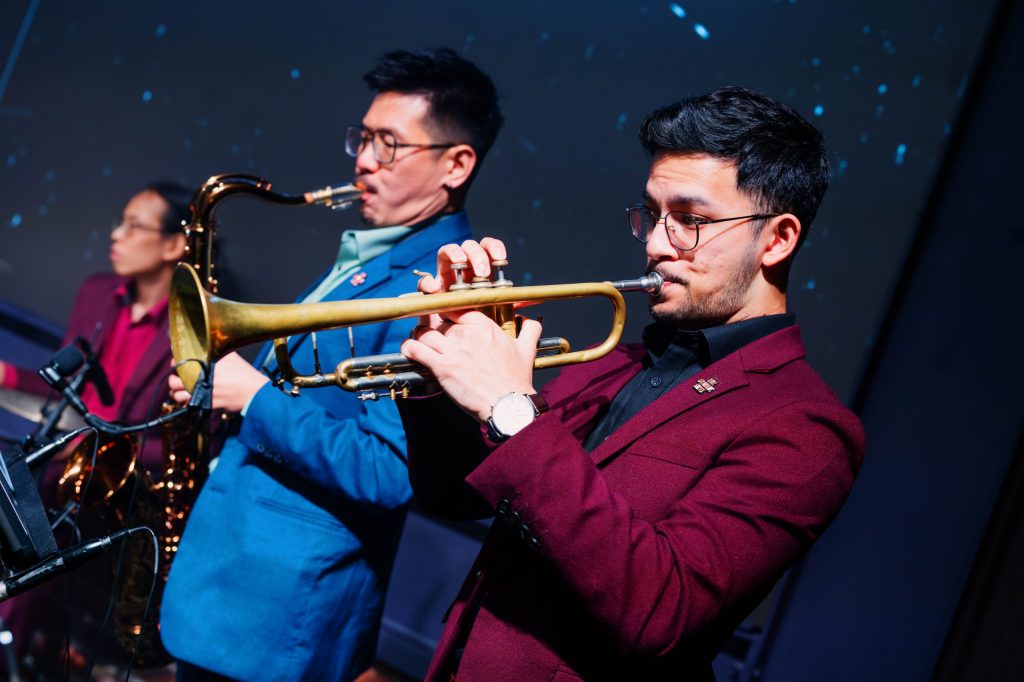
For now, The Frankie Sixes are focused on finishing songs for their next EP while expanding beyond the lindy hop circuit into larger jazz festivals. There’s also talk of more touring, collaborations, and eventually bringing their music to wider audiences. “Stay original, keep it real and sincere in making music,” Ee Jeng says. “These will always be our main objectives.”
Even as the youngest member of the band, at 27, Marvin says the atmosphere remains deeply collaborative. “I am driven by the positivity, trust, and support... It feels like we are a family.”
Each member of The Frankie Sixes names their favourite swing or jazz song.
Reza Salleh (43), Vocals
Right now, it’s Cambridge Blues by Johnny Hodges.
Hin Ee Jeng (40), Piano
My all-time favourite is The Days of Wine and Roses by Oscar Peterson.
Che Wan (40), Double Bass
Let’s Fall in Love by Diana Krall.
KJ Wong (38), Drums
It changes almost every single day. The latest earworm on my playlist is Tyler Henderson’s rendition of The Good Life.
Eddy Lim (39), Saxophone
Too many! But one of my all-time favourites is Gershwin’s Foggy Day played by Julian "Cannonball" Adderley Quintet.
Isaac Marvin (27), Trumpet
My current favourite song is Third Time’s The Charm by Benny Bennack III.

Esquire Malaysia
©2026, Heart Media Pte Ltd
