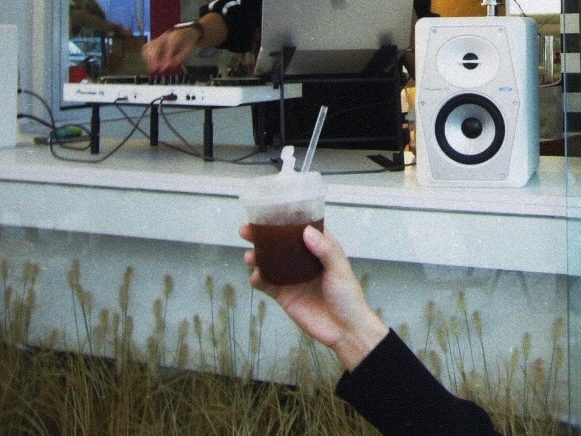
Perhaps the biggest rebrand in 2025 didn’t happen on runways or Parisian ateliers. It was unveiled right in the middle of a party. Raves, once associated with counter-culture rebellion, drugs, and degeneracy, have now been repackaged and resold as a health and wellness weekend reset.
The result is the coffee rave, a daytime gathering where the stimulant of choice is medium-roast and served hot, not poured from a bottle spout under strobe lights.
It’s a wholesome alternative to partying and raving, daytime dancing without the brain fog the next day. However, the essential ingredient from raves disappears in the process. If so, is it fair to still call it a ‘rave’? Maybe, and that’s part of what makes this new lifestyle interesting and worth interrogating.
When I started my research on coffee raves, my mind immediately went to a good friend of mine, Viki. She’s an amazing DJ based in Amsterdam and is currently completing her master’s degree in music.
I reached out to her, and she showed me a paper she wrote recently, which explored the idea of raves as sacred spaces, an idea that perfectly aligns with how I felt after attending a coffee rave.
Borrowing from Viki’s point of view, a rupture (also coined so by anthropologist Michel Leiris) occurs when there is a brief interruption in everyday life. And it’s during these moments of rupture that we get to experience something sacred. They argue that sacredness doesn't necessarily have to only live in churches or religious belief systems, but in any space where discomfort and excitement are abundant. And one such space is raves.
Through this lens, raves start to make sense as one of the very last secular spaces where rupture is still possible. It is where music and intoxication take over, and where our sense of time blurs. And this is only possible when self-optimisation is replaced by self-erasure. This makes raves never about convenience and comfort, but about escaping the grips of productivity, even if it’s just temporarily. Inefficiency isn’t the drawback; it is a feature, and that is the main selling point.
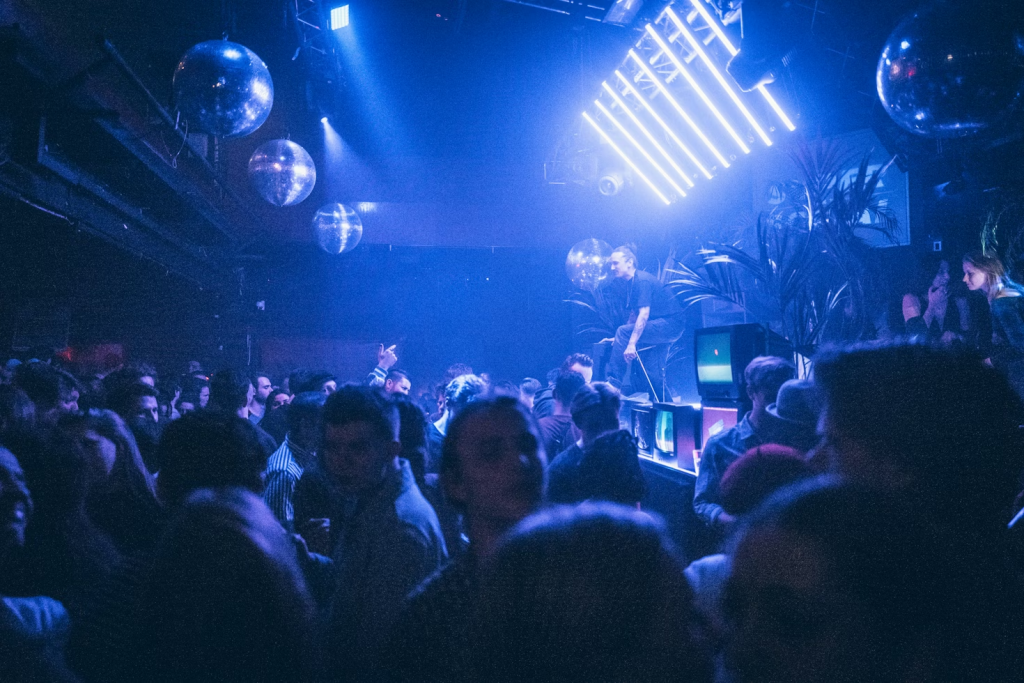
So how did coffee raves come about? It is the inevitable trickle-down effect of run clubs, post-COVID wellness culture, and the de-glamourisation of drinking. It is also the perfect, low-commitment, feel-good, healthy product to buy into.
Statistically, millennials still drink more than Gen Z and remain the biggest spenders on alcohol. Gen Z, meanwhile, drinks less, sleeps more, and treats the hangover as something shameful rather than a rite of passage.
Coffee raves feel like a generational handover, neatly repackaged as a healthier alternative to nightlife. It is the type of fun that promises connection, zero risks, and a morning that still feels morally intact.
As a freelance stylist, I learned early why bottom lines matter. In the creative arts, especially, passion can turn into an expensive hobby without an accompanying business model. Coffee raves are almost the perfect market disruptor for entertainment and nightlife. There’s simply more margin in a cup of coffee than in a glass of whiskey on the rocks, and far less hassle.
There are no liquor licences to maintain, meaning fewer bureaucratic nightmares with Malaysia’s law enforcement. You require minimal security and liability issues. It is brand-safe, family-friendly, and easy to market.
The marketing execs were probably thanking the capitalism gods when this idea reached their hands. Coffee raves are cheap and engaging. It’s a concept that's being tapped by every corporation, big or small, from luxury car brands to skincare labels.
However, this can also be a case of ‘yes, but’. On Instagram, you get a never-ending feed of good vibes. But that can be a dangerous illusion, preying on every self-aware soul seeking improvement.
And, admittedly, I fell for it too.
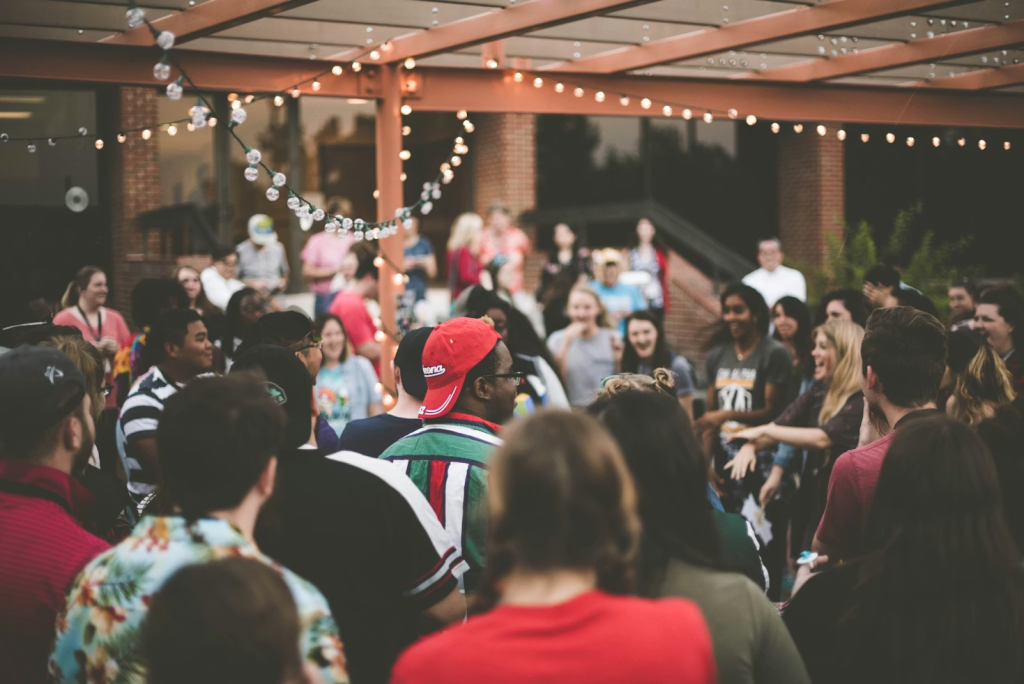
Back in 2022, I had gone through the circuits and auditioned in a few clubs to become a DJ, only to realise that the nocturnal lifestyle wasn’t for me. I still want to participate in this type of sacredness, just without the health drawbacks. So I was excited when an alternative like this came about.
But why was I disappointed? You see, coffee raves, with their seemingly healthy packaging, cannot hold a candle to the real thing. They sound good on paper, but teeter on the realms of gimmicky in real life. The crowd treats dancing like it’s the plague, and it’s the lack of danger and risk that kills it.
Real raves, with their fleeting intensity and sense of rupture, derive their sacredness from these exact factors. I’d rather pay for overpriced cocktails and a wonky circadian rhythm than for an overpriced single-origin Arabica with lukewarm vibes. Branding coffee raves as a ‘rave’ is a stretch, and commodifying them for brands misses the point.
Not to romanticise raves. Everything should be done in moderation but the problem isn’t sobriety, it's control. If you want to party healthier, the only real alternative is to party less. Treat it like a treat or a celebration, and not a habit. What is sacred shouldn’t be squeezed between a run meet and lunch. Some experiences are meant to unsettle us. And I believe that is why, despite how caffeinated the room was, it felt lifeless.

Esquire Malaysia
©2026, Heart Media Pte Ltd
