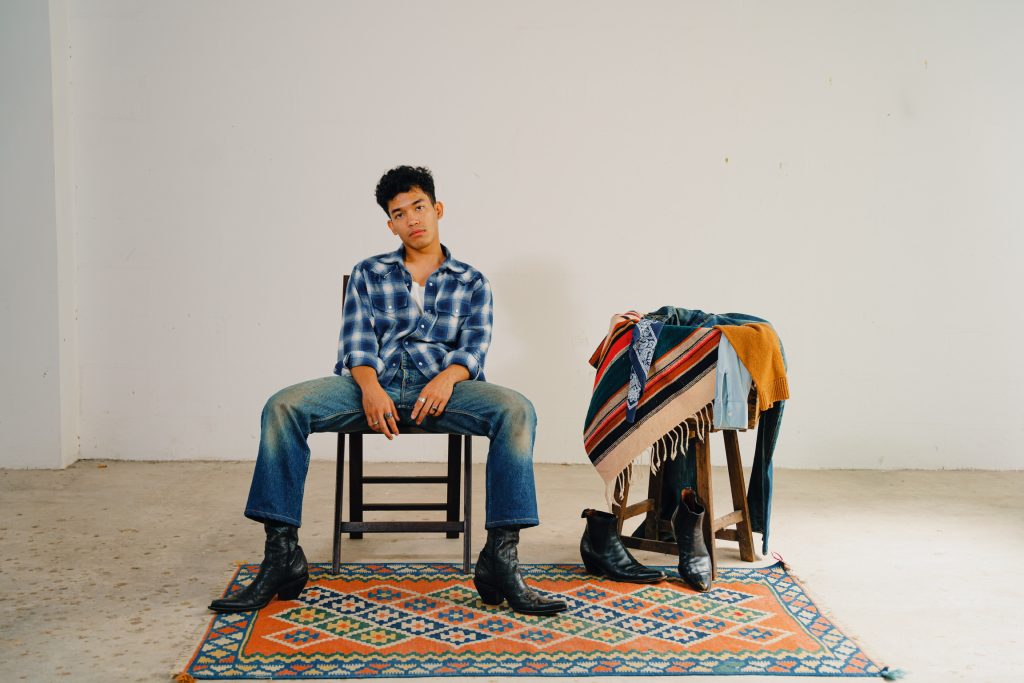
In a humble studio tucked away in Setapak, Kuala Lumpur, I sit down to talk to the founders of ACEHIGH, Azri Mustafa and Muhammad Faiz Darwiis Bin Rooslan. The air smells strongly of tobacco and leather. The studio doubles as their inventory storage, and for a moment, I wonder if they’re worried about the scent getting caught onto their clothes.
Yet somehow, it works. The smell feels almost intentional, adding to the brand’s charming aesthetic. After all, it’s an Americana-inspired label.
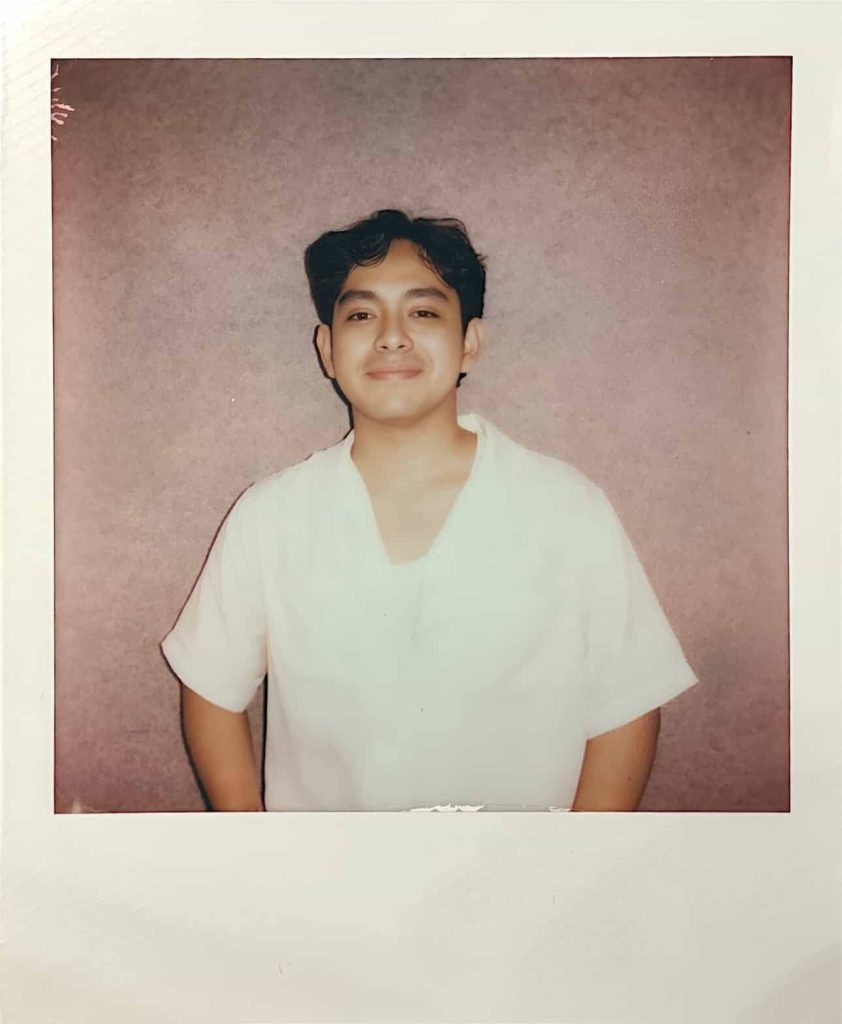
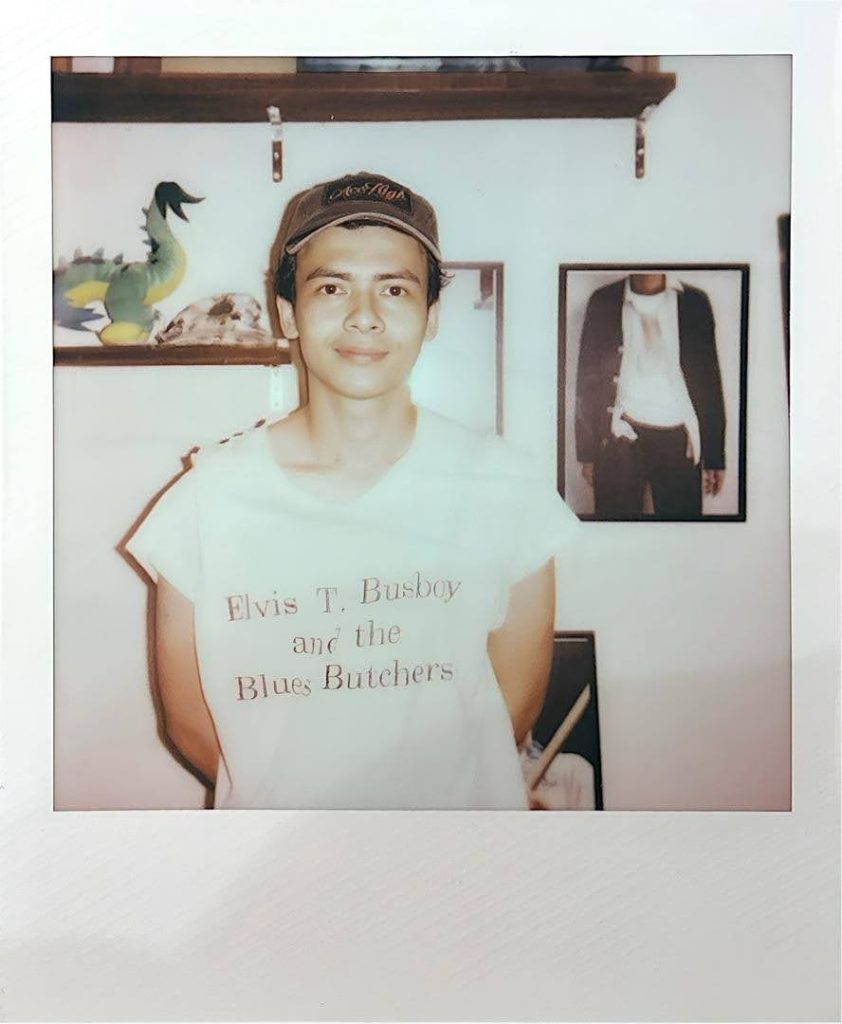
ACEHIGH started in 2022 as an experiment in reworking vintage pieces. Now, it has joined a small cohort of Malaysian fashion brands being stocked overseas. Aside from seeing its collections sell out in New York, the brand has been worn on stage by Niall Horan of One Direction.
From ACEHIGH’s origin in Japan to their current direction, the founders talked to me about the lessons they’ve learned from banking and engineering, and what it takes to make clothes that matter.
"If I had to label it, I’d call it Alternative Americana."
Azri: I’ve always loved making things. Before ACEHIGH existed, I was customising clothes from my own closet purely for myself, be it jeans, shirts, or jackets. One piece, by pure coincidence, caught people’s attention on Instagram.
It was a pair of patchwork Levi’s flare pants that I made. I started getting requests from people asking if I could make them a custom pair as well. That’s when I realised: if I’m going to do this, I need a brand name, something separate from my personal life and my identity, something to take on a life of its own. Hence, ACEHIGH was born.
The name comes from old western slang, meaning first-class, something worthy of respect, or “good stuff.” It’s a nod to Americana, a personal obsession of mine, but also a statement of intent. I wanted to make things properly with quality design, materials, and construction. That foundation hasn’t changed, even as the brand evolved.
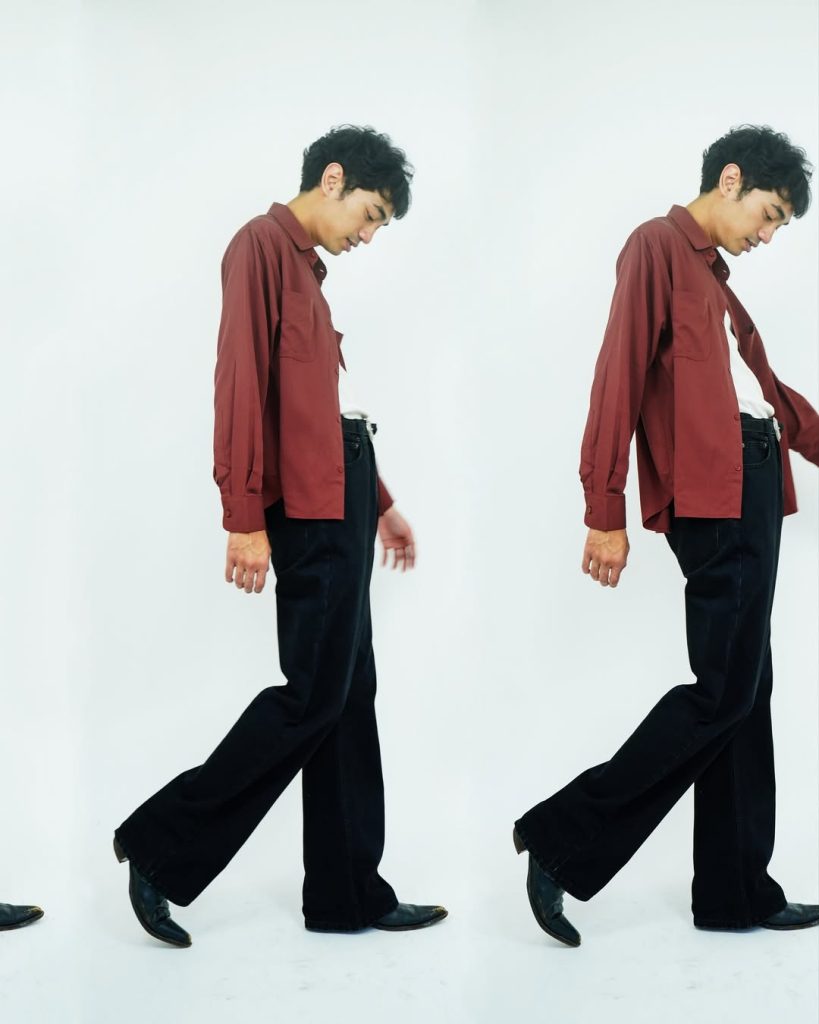
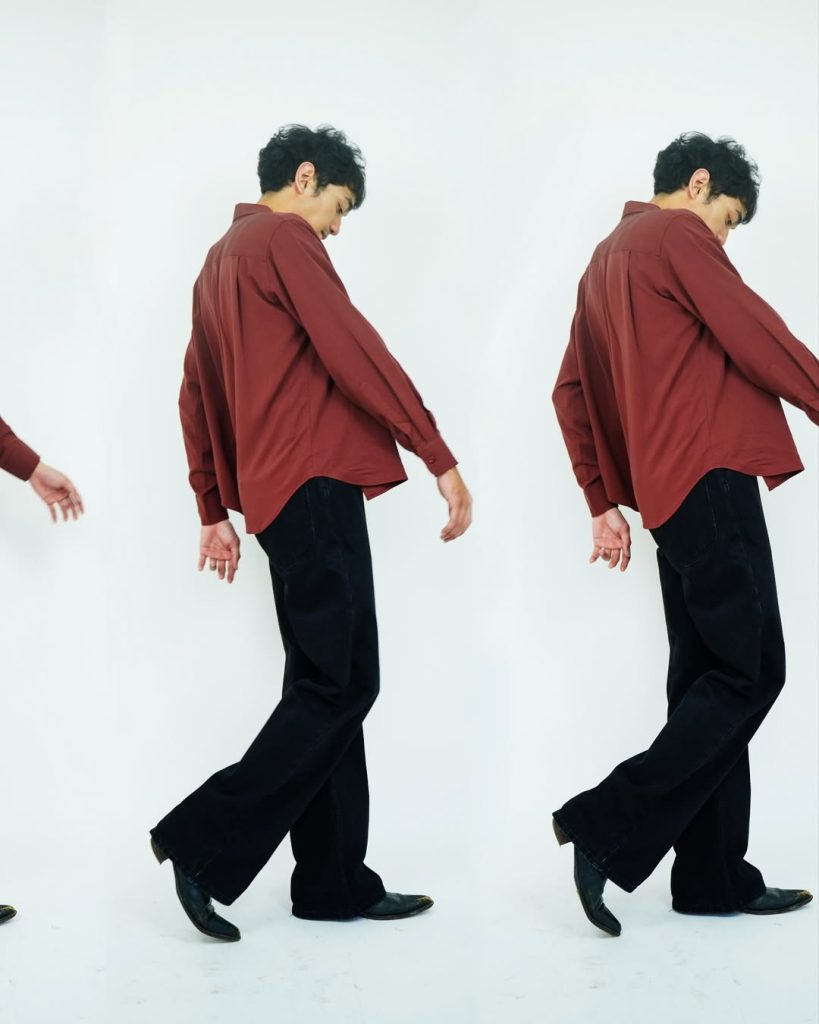
Azri: We started out as a western cowboy-inspired brand. The references were very literal and direct in the beginning. But nowadays, we’re purposely positioning ACEHIGH to be a menswear brand, giving ourselves more breathing room to explore.
Americana is still a huge part of our DNA, but it’s no longer the core. We don’t want to be a repro-brand, although there’s nothing wrong with that. What excites me now is reinterpretation. We take classic menswear silhouettes and filter them through personal and cultural references, most of which come from music we enjoy, like rock, grunge, alternative, and punk.
If I had to label it, I’d call it Alternative Americana.
Everything we’ve made so far is something I would wear myself. It usually starts with what’s missing in my wardrobe, what I couldn’t find elsewhere, or a vintage piece I love that I think would be interesting to reinterpret in our own way. That’s how I decide what to produce.
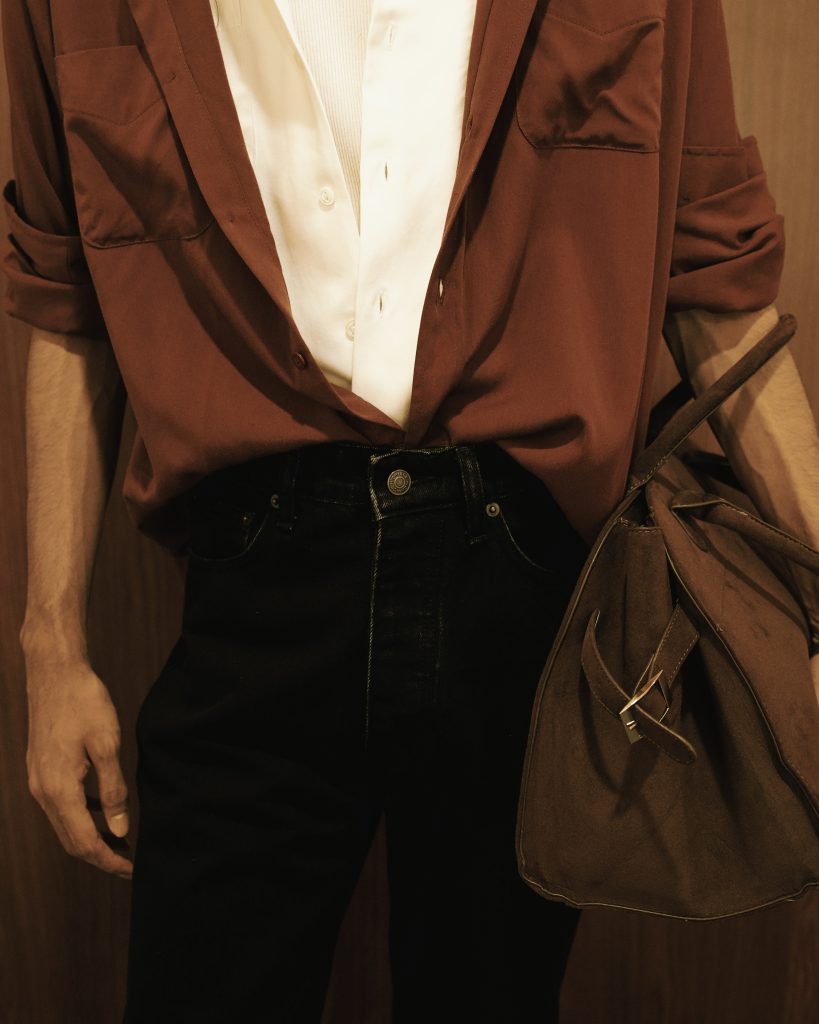
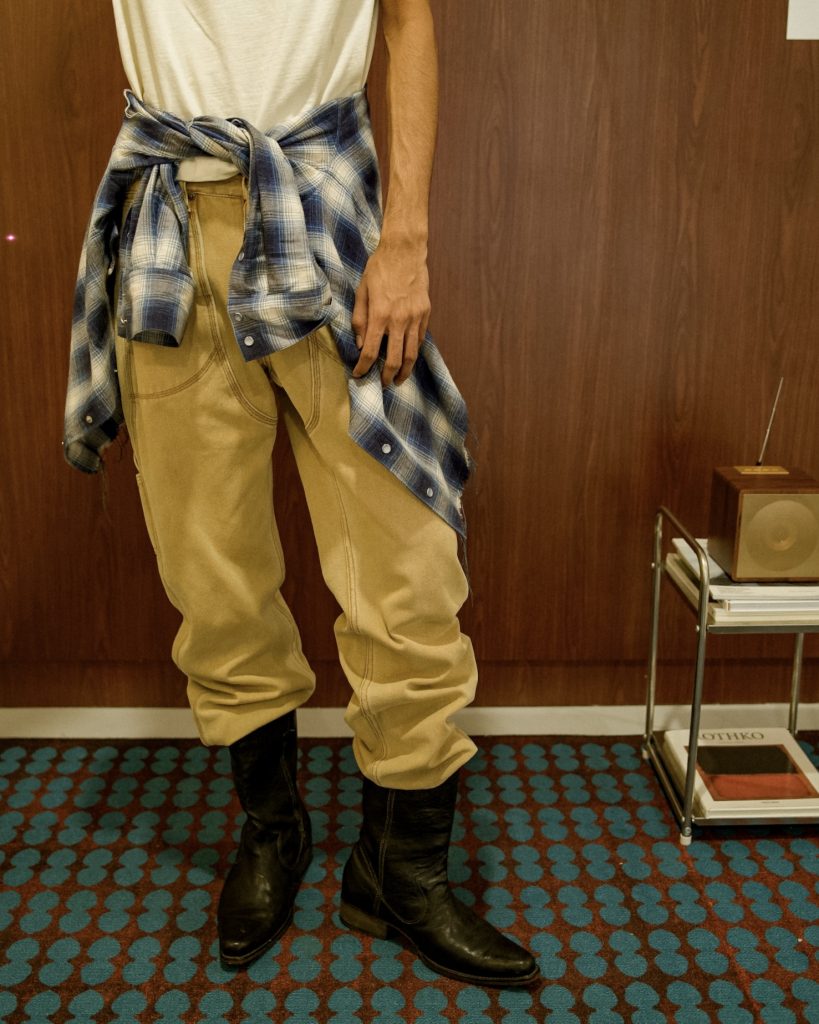
Of course, we still make essentials. Even something as simple as a white T-shirt is intentional. I couldn’t find a pocket tee with a slightly cropped length in a slubby cotton fabric that felt right, so we made our own. It ended up becoming one of our most well-received pieces.
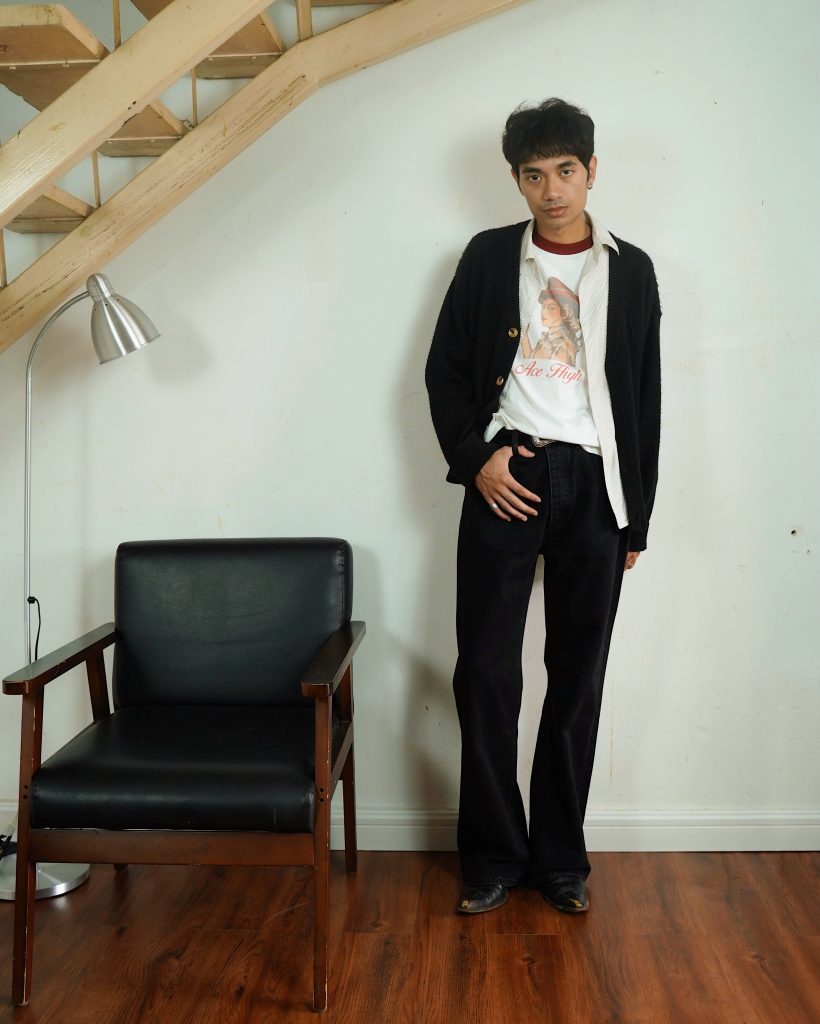
"Even though our clients are mainly overseas, we can’t help but compare ourselves to the local competition here. I do feel the pressure to grow locally."
Faiz: If you look at the local landscape, yes, ACEHIGH sits at a higher price point, but that is because of our high personal standards. Since our customers are mainly from the US and some parts of the EU, the price is still relatively reasonable on a global scale.
However, for us, it is very important to achieve a certain level of quality in our product, be it material or craftsmanship. We have to be satisfied and proud of the product, regardless of the cost, before putting it out.
Part of the high price also goes toward covering other operational costs. We try to keep everything as lean as possible, but being a small bootstrapped company has its downside; we lack the economies of scale that bigger brands benefit from when it comes to production. This doesn’t just affect our final order quantity of a garment; what people don't see is that it trickles down to our raw materials like custom hardware, custom clothing tags, and fabric yardage.
Even though our clients are mainly overseas, we can’t help but compare ourselves to the local competition here. I do feel the pressure to grow locally. During our pop-up in Taman Paramount last year, we registered a lot of local interest, but it feels like our price point might be a deterrent to some of them.
Don’t get me wrong, I’m not saying the other local brands offering a lower price point are making lower-quality clothing. They might have access to economies of scale, more power to them!
It might sound clichéd, but quality is everything for me. As a consumer myself, that is what I consider before making a purchase. Also, from a brand owner's perspective, we don’t have monthly or weekly drops; our releases are more spaced out, so of course, we want the clothes to stay timeless and robust against future trends. Evergreen and good-quality clothing is the key.
Azri: I share the same thoughts as Faiz. As I mentioned, most of the items we make are pieces to fill the gaps in our personal wardrobe. I like things done a certain way, from the silhouette, the cut, the material, to the finishing. I’ve spent over a decade experimenting with my personal style, so I’m pretty clear on what works and what doesn’t. For ACEHIGH, the product always comes first.
I don’t feel as much pressure when it comes to us producing cheaper pieces. One of our best-selling items locally is a western pony hair leather belt priced at RM289. It might seem expensive, but I think it’s fair, considering the quality of the silver hardware and genuine cowhide leather. I think the price point will naturally land at a place where it becomes more acceptable locally, either through economies of scale on our end or the growth of the local economy.

Niall Horan performing in the Western Camp Collar Shirt
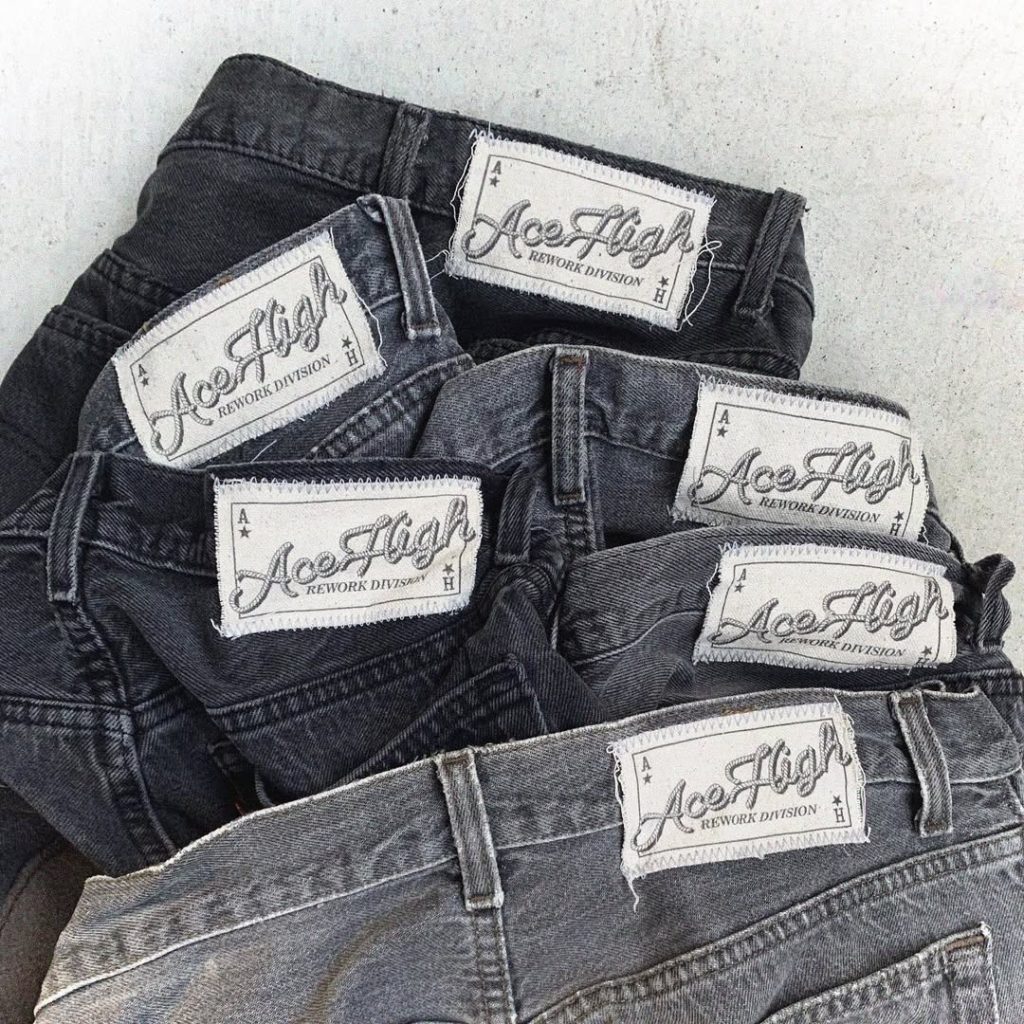
The first pair of denim jeans that started it all
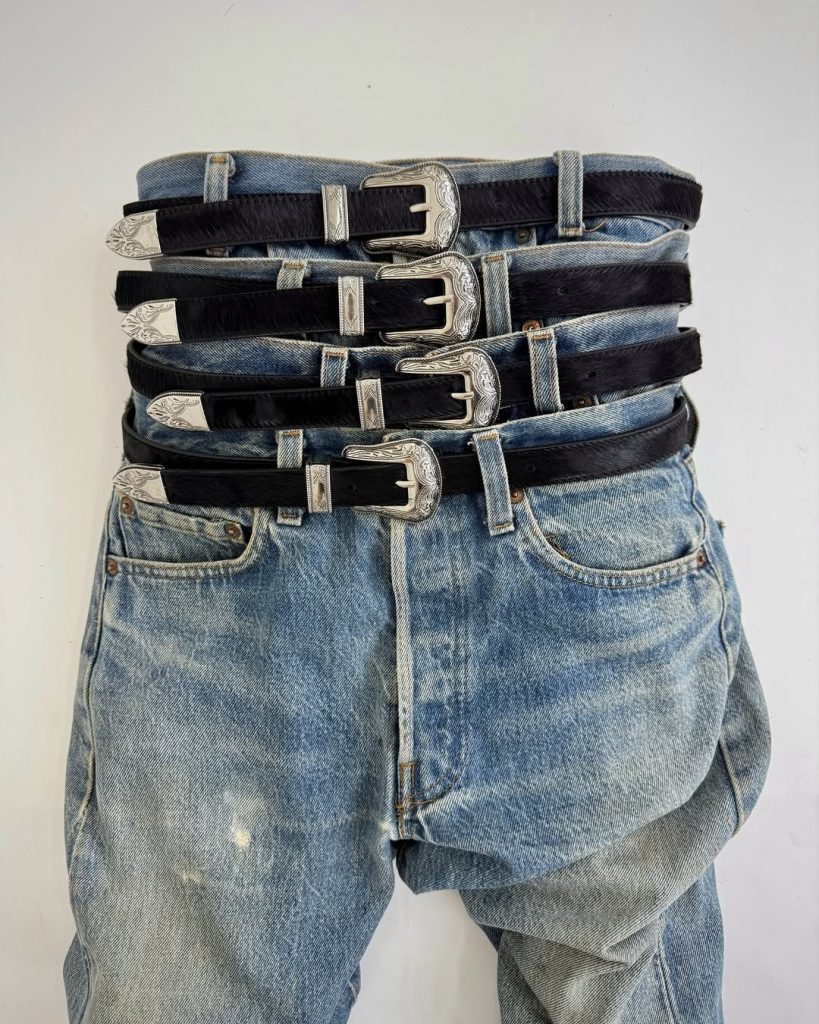
The infamous Ranger Western Belt
Faiz: Being noticed and stocked by Freeagency (a multilabel store in New York) was a major milestone. I think part of the reason why they decided to take us on was that our brand aesthetic, being Americana, resonated more naturally with the American crowd.
Over there, the narrative is completely flipped; this style of menswear is familiar to them. It doesn’t feel costumey in a western setting, even though to us it never feels that way anywhere.
The goal has never been to look like we’re playing dress up or recreating a character. Locally, however, people can be quick to put us in a box just because our work shares some similarities with another niche style movement in Malaysia.
When someone sees flared trousers or a western shirt, it’s easy for them to associate us with the 70s revival scene. Once that assumption is made, it becomes harder for us to fully communicate our point of view, and for them to give us a chance.
Other than that, our prices are relatively good for a market as mature as theirs. But ultimately, I would like to believe it was the overall quality, design and intention that won them over.
Azri: Yeah, I think the brand’s aesthetic and style fit the Western audience more naturally. But that was never my intention. I didn’t set out to appeal to the overseas market; it was a coincidence. Again, I simply made what felt right to me, based on my personal taste and the things that inspired me.
In Malaysia, we need more awareness around the broader spectrum of menswear, along with more local boutiques dedicated to well-made, thoughtfully designed clothing. The overall infrastructure and championing of local brands isn’t quite there yet compared to our neighbours like Indonesia or Thailand.
That said, although the brand was started in Japan, we’re based here now, so we definitely want to grow as a local brand. We’re grateful to Freeagency for reaching out and believing in what we do.
Azri: We’re not operating the brand full-time. Both Faiz and I still keep our day jobs. It is a time-management nightmare, but we are both still enjoying what we do and learning a lot in the process too.
Faiz: As an investment banker, I’m actually very thankful for my day job. I’ve learned a lot from the countless analyses I’ve had to write on companies’ well-being. I know first-hand what good or bad financial management can do to a company, and it made me extra vigilant when it came to ACEHIGH’s finances.
As a small brand, we needed to be extra careful with our expenses. Capital can make or break a brand, especially in the early stages. Like any new venture, we had to pay for sample costs upfront during the design, planning, and production stages without receiving any returns.
Because of my background in finance, I had the hard skills to keep track of everything properly—income statements, balance sheets, and cash flows—so we always knew exactly where our money was going. The urgency and discipline to the approach that came from my day job were crucial.
Azri: As for me, I come from an engineering background and have also worked as a machine design engineer in Japan. I realised that the process of creating clothes isn’t all that different from making machines. You start with an idea, then design it, make a prototype yourself or find someone who can, and finally test it.
But what inspires me the most from design engineering is having a method to systemise the creation and design process. Of course, I can’t translate this approach directly into running a clothing brand, since engineering can be restrictive. But it showed me discipline and structure. Fashion requires creativity and expression, yet without a system, it's impossible to do it well or consistently.
Azri: I think, so far, the biggest challenge has been creating content. Personally, I have zero interest in it. I enjoy creating the clothes; that’s the easy part for me. But I know content creation is necessary, especially in today’s social media landscape. So I’m in the process of figuring out how we can consistently produce good content.
"I think this slow roll approach helps keep each drop coherent and aligned with our past and future releases. It also gives us the freedom to learn, experiment, and build something with a real identity."
Azri: For ACEHIGH to become a full-time commitment, we first need to strengthen our operations and expand the team. At the moment, it’s just me handling the product and creative, while Faiz manages communications, operations, and project coordination. We outsource certain roles, such as photography and editing, when needed.
Additionally, I can only design up to six or seven pieces for each collection, and we release one to two pieces each month. I think this slow roll approach helps keep each drop coherent and aligned with our past and future releases. It also gives us the freedom to learn, experiment, and build something with a real identity.
For us to scale, this process needs to move faster. However, I’m in this for the long term, and we’re not chasing fast growth. We plan to keep refining our aesthetic, exploring new materials and silhouettes, and prioritising quality over quantity. The brand will eventually grow at its own pace.
Faiz: Just as investment banking has trained me to be vigilant with ACEHIGH’s financials, running ACEHIGH has taught me patience with timing and growth.
I have a better understanding of how market mechanisms actually move in real time. It’s one thing to analyse businesses from the outside, and another to operate one yourself. That experience has made me more precise in how I approach my everyday work.
Honestly, I love both worlds, and I’m not just saying that. However, I don’t think it’s the right time to focus solely on the brand. Timing matters. At our current scale, we’re able to stay hands-on, control the direction, and continue refining our aesthetic, exploring new materials and silhouettes, and prioritising quality over quantity.
For now, we’re taking our time, building patiently and intentionally.
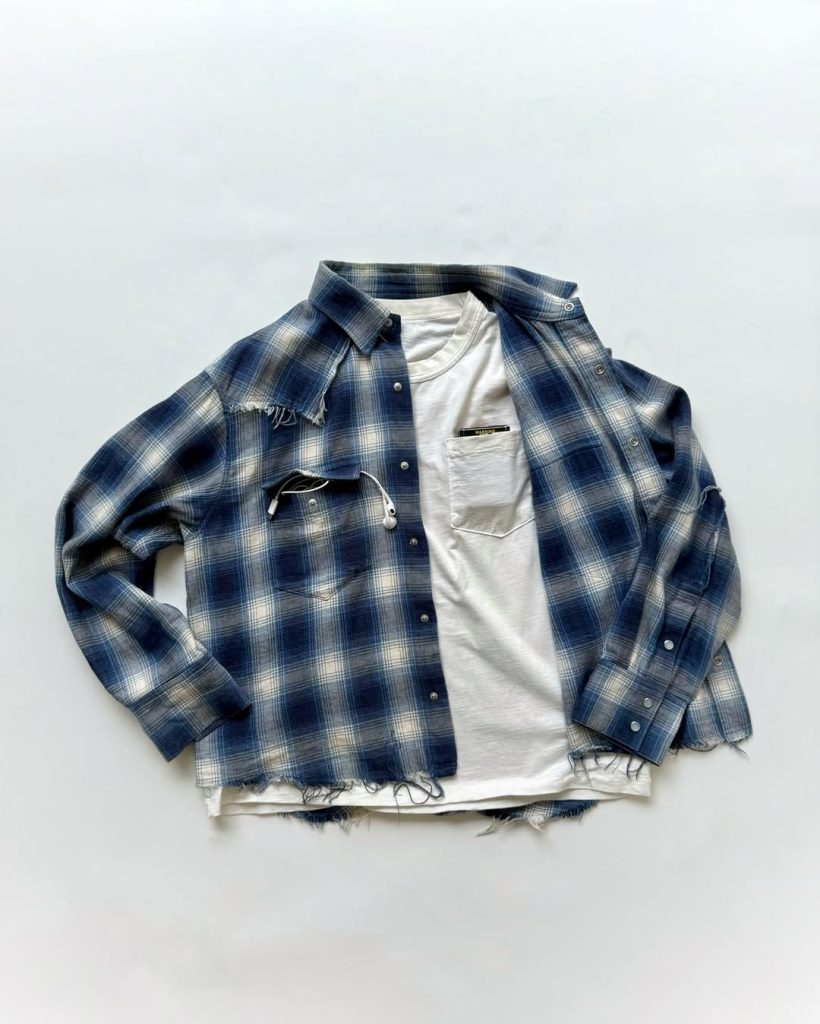
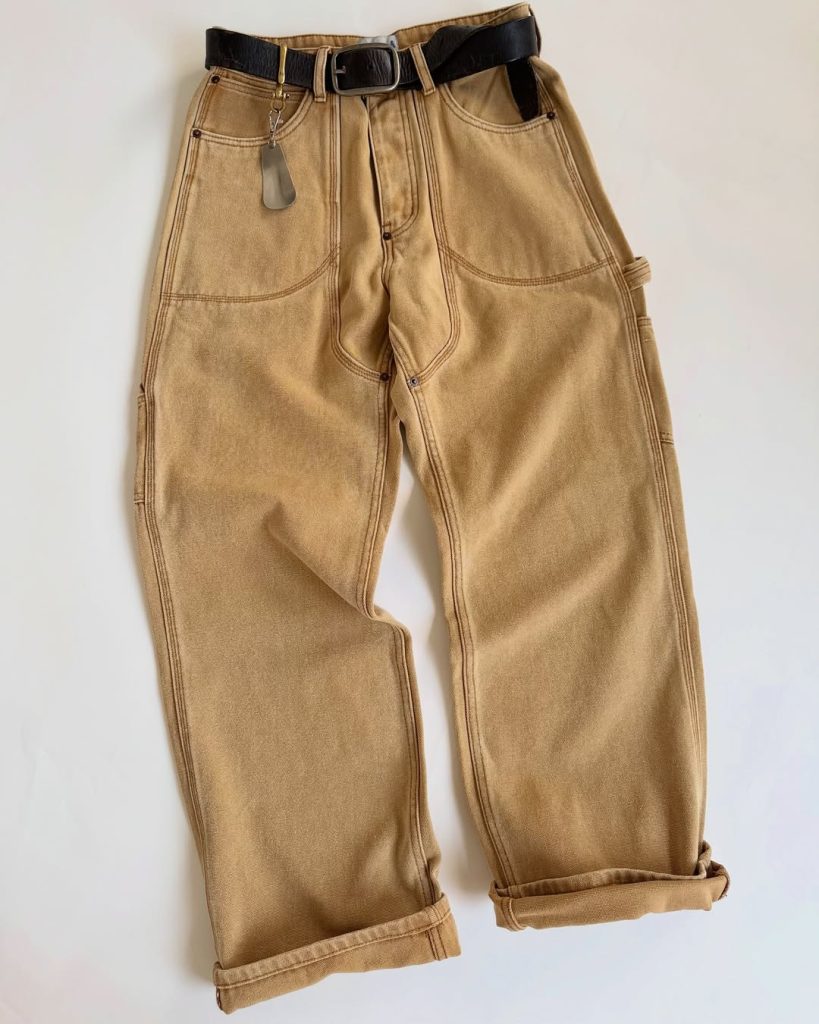
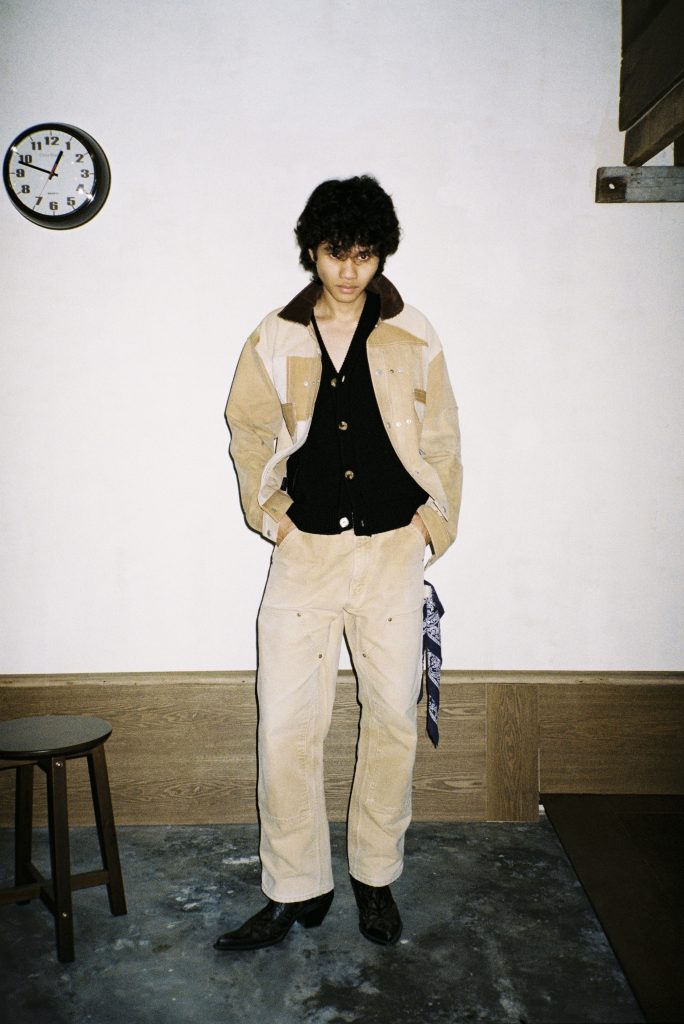
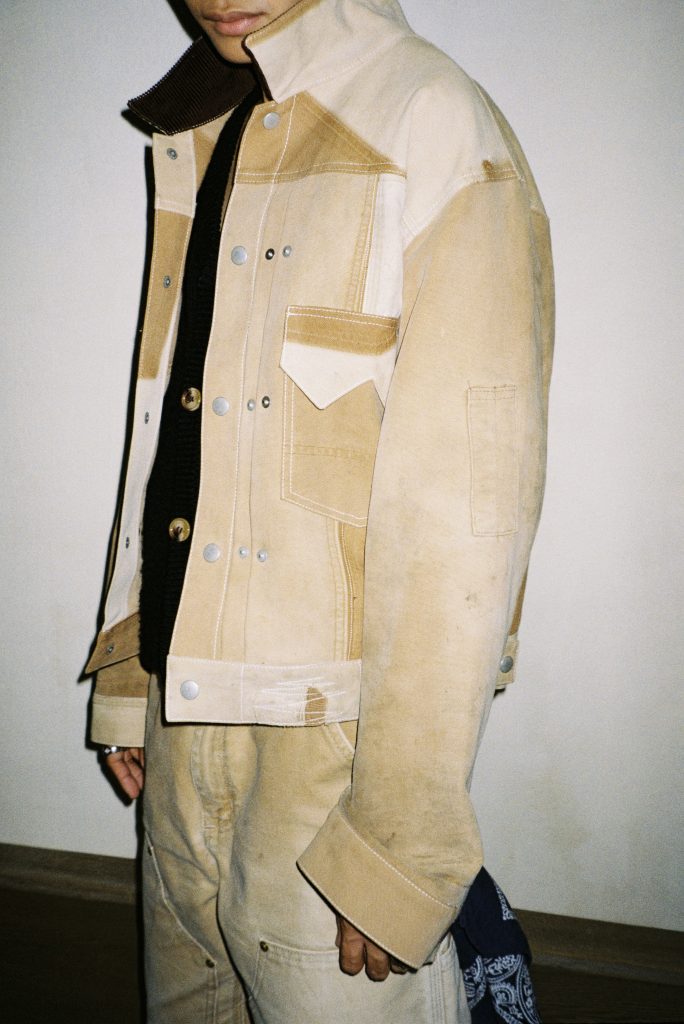
Azri: What's the best item I’ve made? I would say the Reworked Carhartt Jacket. For the first sample, I sourced vintage Carhartt jackets, patched holes, made my own patterns and sewed it myself. I then worked with a tailor in Japan to produce the first few units. It took a long time, but I am most proud of this piece.
We’ve had a few misses. One of them was definitely our Western Camp Collar Shirt. The idea was solid, so were the designs, but our execution just fell flat. Who knows, we might revisit this design, mistakes are just lessons in disguise after all.
Life’s a gamble and we’re all playing the cards we’re dealt, often against high rollers. So perhaps the real thrill isn’t in holding the strongest hand, but in stealing the win on a slow roll.
With nothing but an ace-high hand, that’s what Azri and Faiz are doing, staking a claim in a crowded world, galloping on the road less travelled, and betting on what feels right.
As our conversation wound down, I couldn’t help but think that ACEHIGH isn’t just about making clothes. It’s an attitude, a rugged lifestyle the pair embodies. It takes ambition, discipline and a little bit of rebellion.

Esquire Malaysia
©2026, Heart Media Pte Ltd
