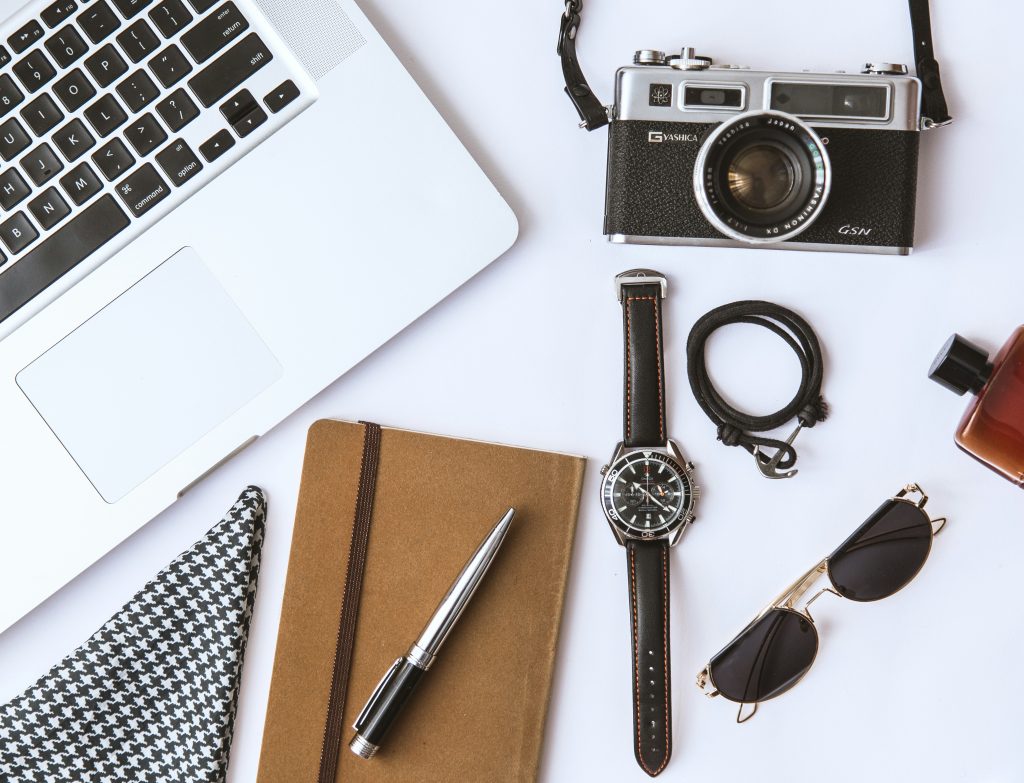
If 2026 needs a headline, it’s this: it's time to return to analogue. Not as nostalgia or for cosplay, but as a genuine shift in how we want to live.
After years of constant technological advancement, simplicity seems to be appealing again. There's a comfort in owning something physical that won’t just disappear because of a corrupted file or a change in a platform's policy.
We need to reexamine our relationship with technology and social media. Screens have dictated people's lives for more than a decade. Digital life as it currently exists means speed, access, and constant availability. So, when everything works perfectly, all the time, it starts to feel overstimulating rather than liberating.
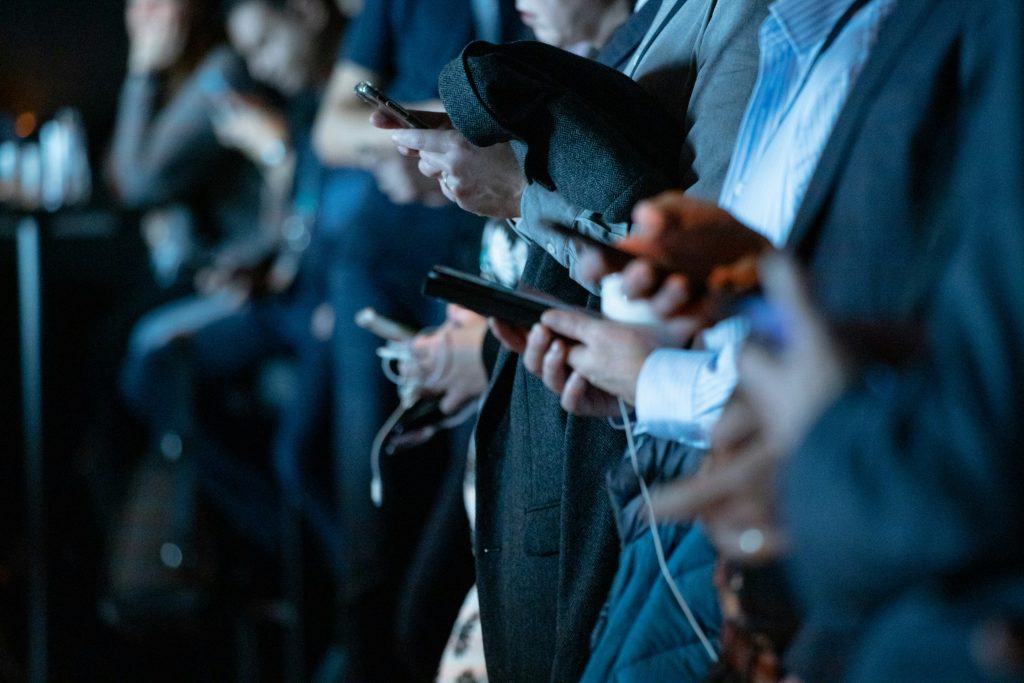
There was a time when social media platforms felt light. A virtual space to make friends, trade ideas, and build communities. Think of the early days of Tumblr and Vine, where creativity and comedy thrived without polish or pressure to perform.
In recent years, social media has grown more divisive, tense, and even problematic. Algorithms reward outrage over nuance. Even passive scrolling can feel exhausting. In many countries, social media usage has begun to plateau since its peak in the early 2020s, particularly amongst younger users.
What once felt like an escape from reality now asks for constant engagement. While many people remain chronically online, logging off regularly is becoming a form of self-preservation. Less watching, posting, or needing to be seen.
The signs were already there last year with the move from iPhone cameras to early-2000s digicams. The appeal of this style of photography has little to do with image quality and more to do with capturing candid moments. It's about taking pictures that look slightly imperfect enough to look just right.
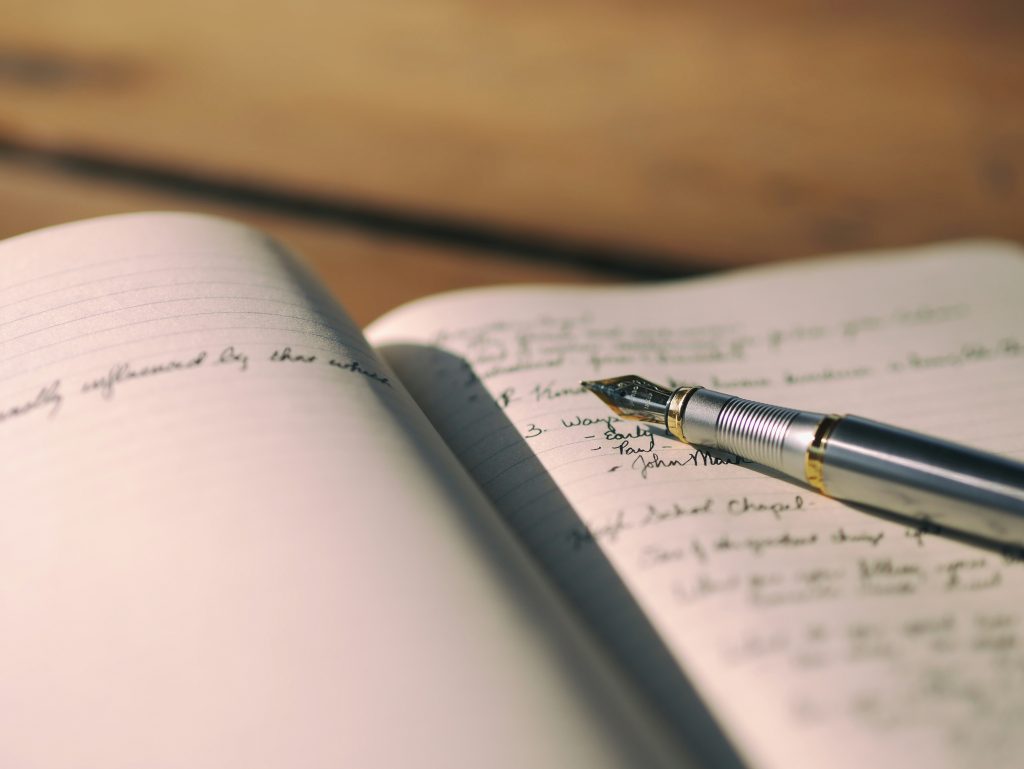
The same logic explains the return to writing by hand. A journal allows ideas to move at the speed of thought, not autocorrect. You write, pause, and reflect. Even a few minutes a day feels grounding in a way typed notes rarely do.
Cooking without screens follows a similar instinct. Recipes pulled from books or passed down in families replace step-by-step videos. Attention shifts back to chopping, stirring, tasting.
The generation that grew up online is now facing an awkward realisation about how little we own. Fitness classes exist at the mercy of ClassPass subscriptions. Films and TV shows rotate in and out of streaming catalogues. Books live behind devices, such as Kindle and Audible, rather than on shelves or in libraries.
Forget a password, and years' worth of audio and visual content are lost. It creates a low-level anxiety; the stress of knowing your memories are being stored somewhere you don’t control.
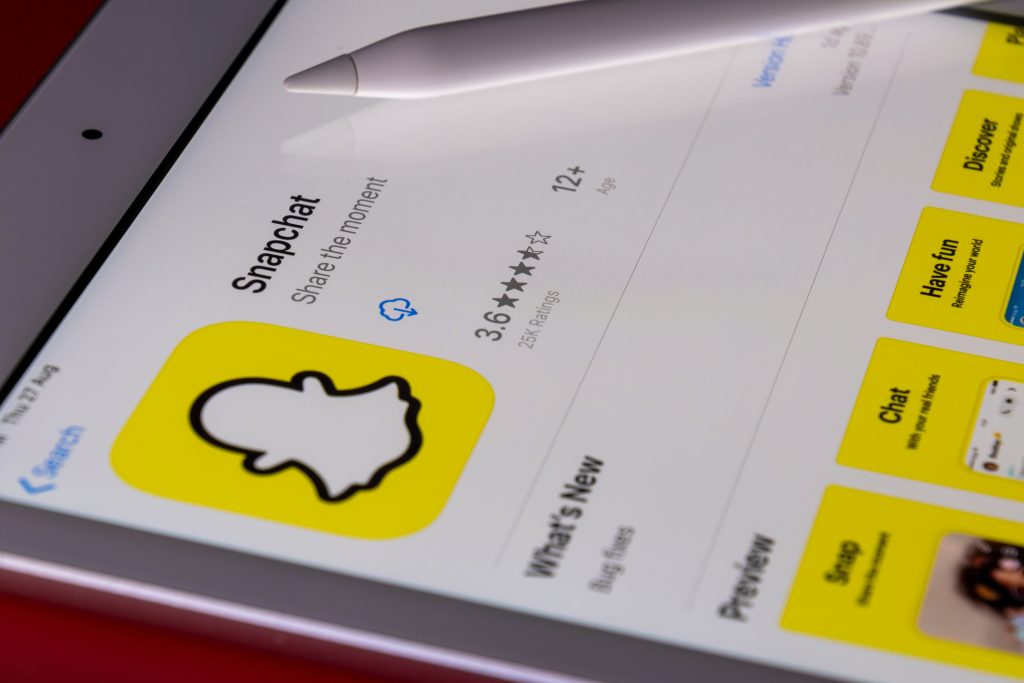
Snapchat made this perfectly clear when it rolled out paid memberships for memory storage. Data that was once free now comes with a monthly fee. Pay to keep your past readily available. Suddenly, the idea of a digital dark age sounds much more plausible.
All the downsides listed above come with their analogue counterparts that fill these gaps well. It’s watching a play instead of half-focusing on a TV series at home, or using wired headphones that never ask to be paired. Yes, none of these choices is radical, but they are much simpler.
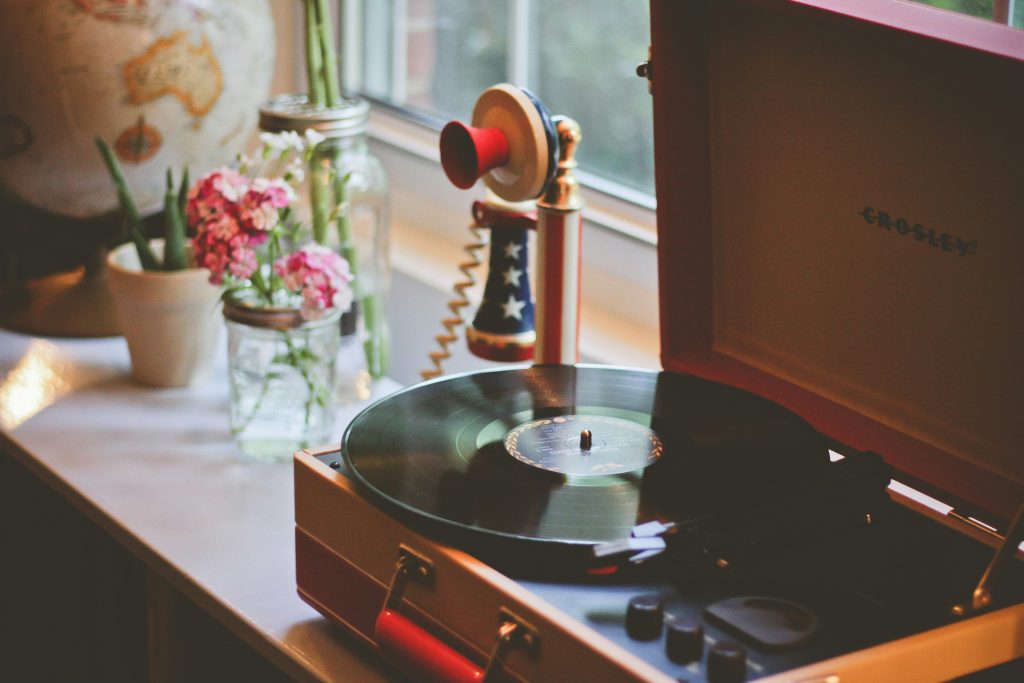
Traditional media returns in subtle ways, too. Magazines. Scrapbooks. Photo albums. Objects that age alongside you. Vinyl never disappeared, outselling CDs again after years of steady growth. Pokémon trading cards are resurfacing as well, selling for absurd prices on eBay. These are tangible items that last beyond timelines.
Public spaces reflect this shift, too. Cafés see fewer laptops and more book clubs. Living rooms host board games instead of doom-scrolling. Parks feel less transient as well, with more chess tables and picnic blankets. Clearly, the appetite for slower, shared experiences is growing.
With these hobbies, there’s no endless feed waiting to distract you. No delete or refresh button. Analogue asks for attention with intention. You choose the album, sit through the film, or turn the page. The value comes from its physical presence and slower rhythms.
This is not a call for the mass exodus of digital life. It’s a way to reexamine its role from a safe distance. Technology and social media still have their place, but it no longer sits at the centre of everything.
The irony, of course, is that much of this analogue resurgence is being shared online. There are Instagram feeds full of 35mm film shots, and carefully worded TikToks announcing a social media break. However, the difference here lies in its intention. The screen documents the moment instead of consuming it.
So, could you be persuaded to go analogue? Maybe not fully, but a few people will try. Whether it's carrying a notebook or reading without notifications, your phone is no longer the default. In 2026, slowing down will have less to do with nostalgia and more to do with choosing what actually lasts.

Esquire Malaysia
©2026, Heart Media Pte Ltd
