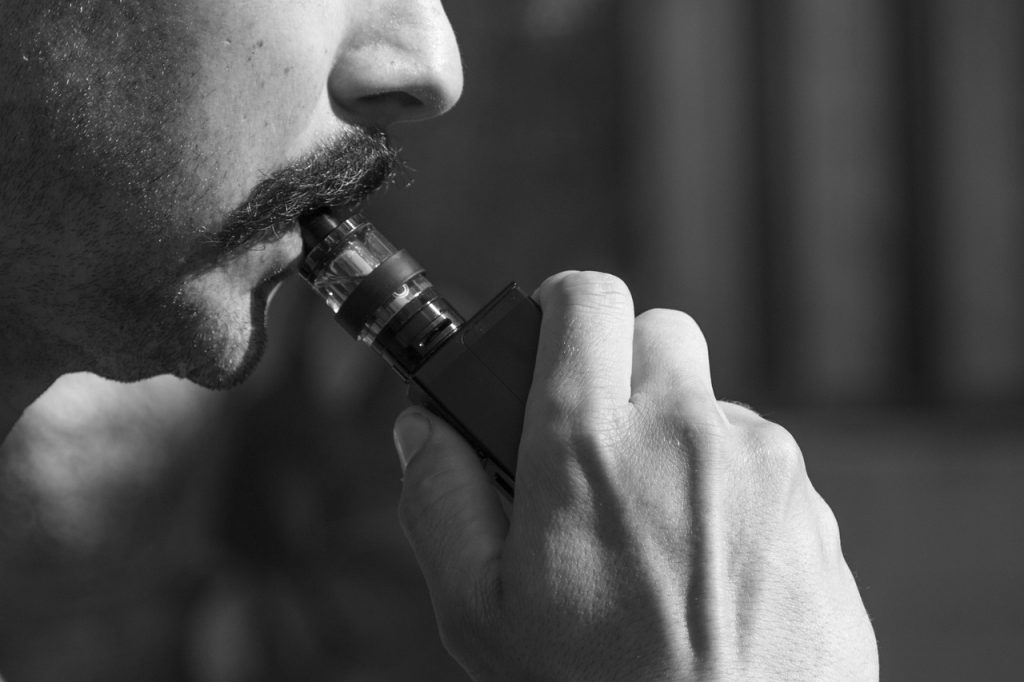
Malaysia is edging closer to a future where vapes and e-cigarettes become harder to buy and easier to police. Depending on who you ask, this is either an overdue public health follow-up or the end of a smoky freedom.
The government’s position has firmed up over the past few years. New regulations already place vapes and e-cigarettes under the same legal lens as tobacco, overseen by the Ministry of Health Malaysia. Several states have gone further, restricting or halting sales altogether.
Products once sold as safer alternatives now carry the same moral and medical risks as cigarettes. The language around vaping has hardened accordingly. Concerns around nicotine addiction, youth usage, and its long-term respiratory effects dominate the conversation.
In that context, vaping sticks out as being far more reckless than smoking a pack of cigarettes. That perception alone is enough to make it suspect. A broader ban has not yet taken effect, but the direction is clear.
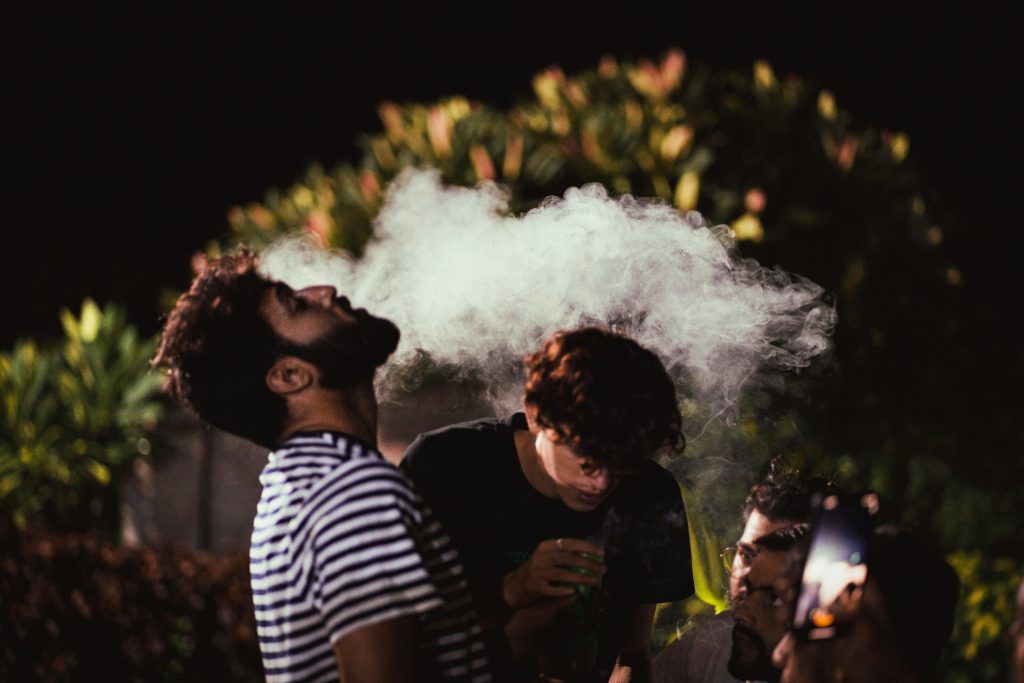
Ask a vaper why they do it, and you rarely get a satisfying answer. It’s cleaner, faster, and less smelly than cigarettes. Plus, it’s easier to justify as a better habit. Good for stress relief is a common excuse. For all its faults, vaping has never just been about the nicotine high.
You can step away from your screen or your obligations. And for a minute or two, nothing else is required of you. Just an inhale, and an exhale. In a work culture that measures worth as constant productivity, that pause almost feels transgressive.
This is why smoking areas have long been deemed unofficial meeting rooms. Universities, office buildings, and late-night cafés all know the scene. People gathered around a trash can, talking or sometimes saying nothing at all. This is where a temporary community is formed.

Lifestyle norms have shifted. Health and discipline now sit at the centre of how modern masculinity is presented. Regular training, reduced alcohol intake, and better sleep are seen as markers of control. In that framework, vaping reads as a lapse of judgment rather than a choice.
Addiction also carries a greater stigma. Actions that once appeared rebellious to your parents now read as desperate. Scrambling through your pockets for a device and checking its battery levels does not suggest authority; it suggests dependence.
Friends who quit will tell you, unprompted, how much better life is on the other side of this addiction. They list the benefits, including running marathons without feeling winded. You nod because you already know this. And yet, later that day, you still step outside for a vape break.
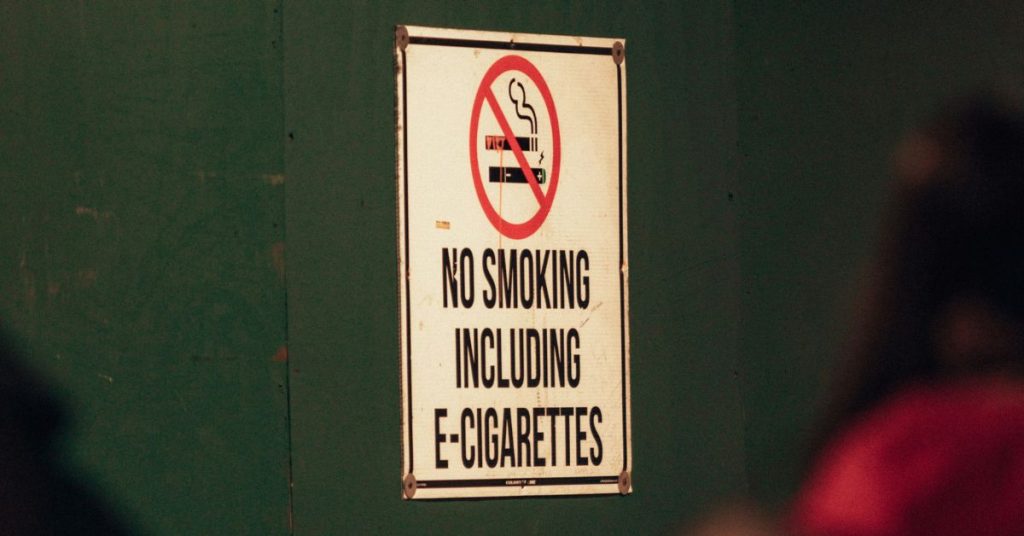
Malaysia may succeed in pushing vapes and e-cigarettes out of sight. It may even reduce its usage over time, but the impulse that made them popular won’t vanish. This is not an argument for its health benefits. It’s an observation about behaviour, which often needs a physical cue.
Coffee does this in the morning. Working out does this in the evening. These rituals give structure to hours that might otherwise blur together. For many, vaping serves a similar purpose. A pause between tasks, a reason to step away, and an excuse to stop working for a moment.
Therefore, this ban won’t erase nicotine usage overnight. Vaping will just retreat from public to private spaces, such as cars and toilets. And with it, a shared interval of non-productivity. That’s the quiet cost. Not the absence of flavoured vapour, but the disappearance of a ritualised break.
The only question is what replaces that ritual once the vapour clears. A return to cigarettes looks to be on the horizon. They’re already familiar, regulated, taxed, and normalised in their own restricted way. Not because they’re better, but because they remain legal within the system.

Esquire Malaysia
©2026, Heart Media Pte Ltd
