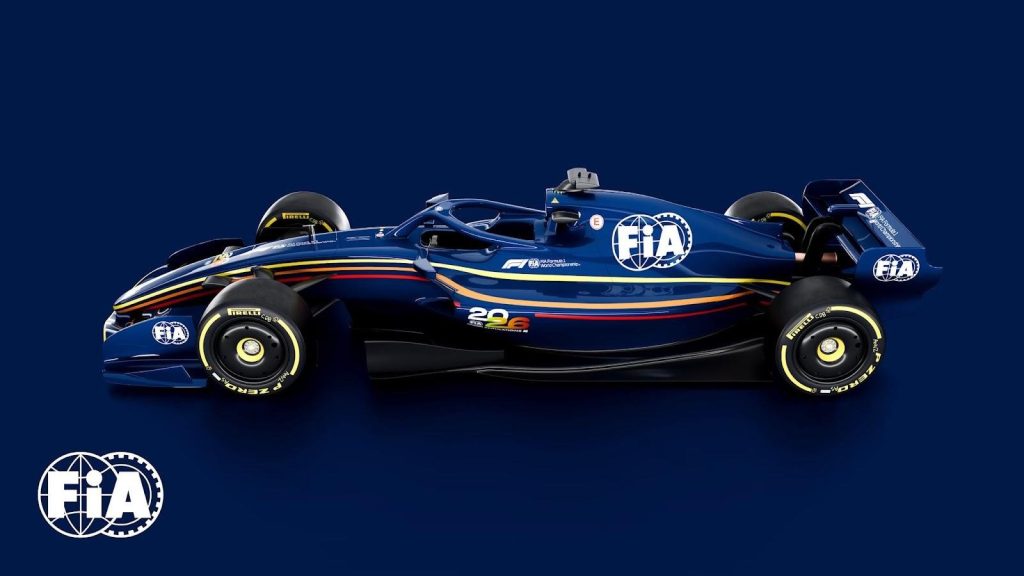
For anyone who has fallen out of step with motorsports, this is the year to pay attention. The Formula 1 (F1) 2026 season will force every driver and team to rethink how they go racing. If you haven’t kept up, don’t worry. As the world’s fastest sport resets itself, one truth remains: F1 has always moved fast, both on track and off.
This year, the new regulations will completely shake up the grid. New cars and power units, as well as new teams and revised driver lineups. If all goes well, the racing should be more competitive than ever. So the question becomes, who will seize this moment?
Here’s what you can expect, told in a way that even a non-F1 fan can follow. But of course, it would help tremendously if you’re already a fan of the motorsport.
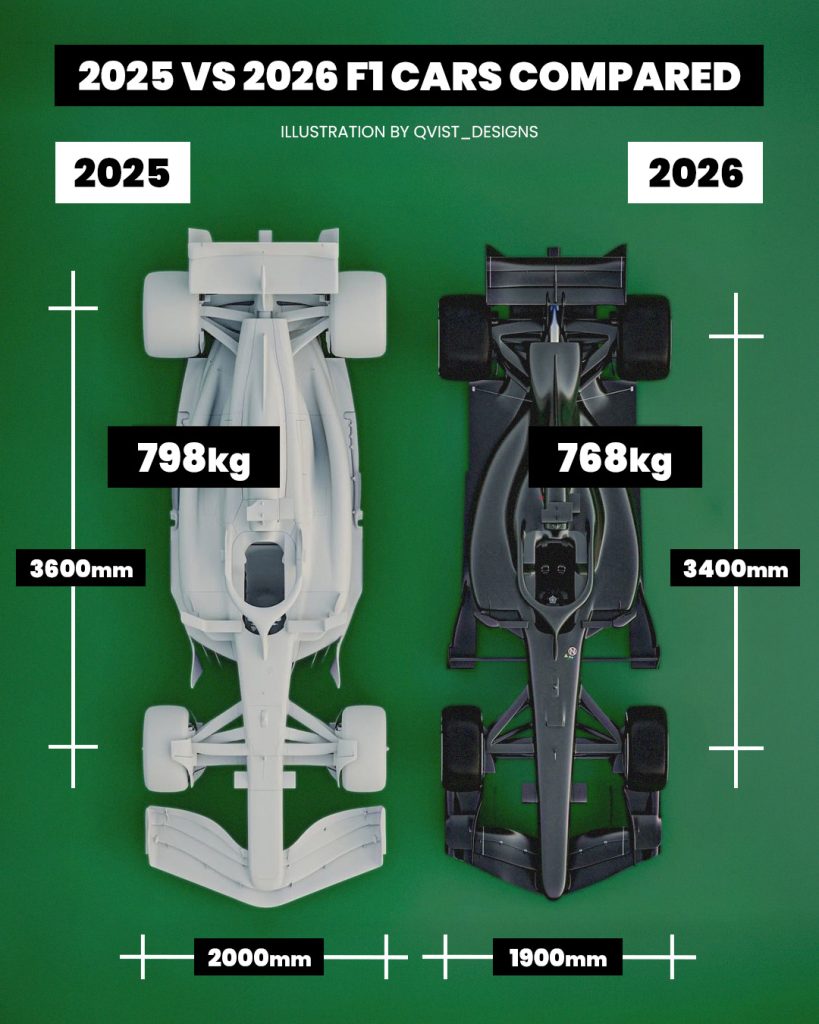
Back in 2024, F1’s governing body (the FIA) revealed its vision for the 2026 cars, and the message was clear. F1 wanted to shrink. For years, drivers and fans complained that the current generation of cars was too large and unwieldy. The new guidelines finally address this problem. The cars are smaller, lighter, and less bulky, making them more agile through tight sections of the track.
By narrowing the chassis, reducing tyre width, and cutting overall weight, the FIA responds to issues such as porpoising and bouncing that defined the previous ground-effect era. And with downforce lowered too, lap times are expected to be around two seconds slower than the most recent generation. But speed, the FIA argues, is a small sacrifice to restore wheel-to-wheel racing.
Aerodynamics have undergone a rethink too, with updates to the car's front and rear wings. Instead of a fixed setup, they will use Active Aero, which adjusts those elements on the fly. The idea is adaptability in terms of drag levels. Drivers can switch between different modes that prioritise grip in the corners or efficiency on the straights.
Perhaps the most noticeable change is how drivers pass each other. Since 2011, the Drag Reduction System (DRS) enabled overtaking at the push of a button, opening the car's rear wing to boost speed.
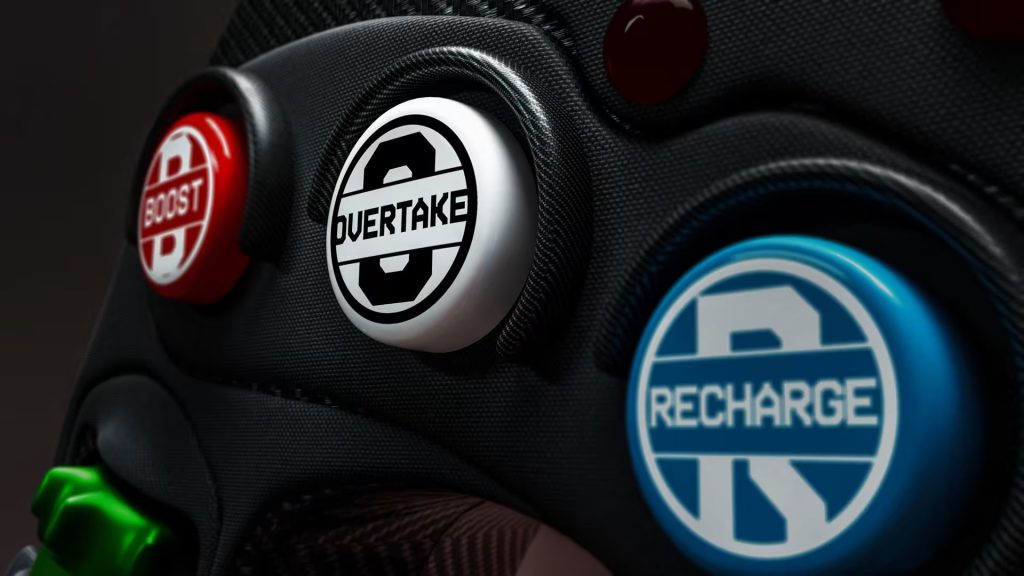
This has been replaced with Overtake Mode, which gives drivers extra electrical power when they're close to the car ahead. Unlike DRS, this new passing aid isn't confined to specific zones. It's deployed strategically, either all at once or spread across a lap.
Alongside this is a separate Boost Mode, which allows drivers to access the maximum combined power from the engine and battery anywhere on the track. It can be used to attack or defend, adding another layer of racecraft.
Managing both modes means overtaking becomes less automatic and more dependent on judgment, timing, and confidence. It shifts control firmly back into the driver's skilled hands. The goal of all this, according to the FIA, is to encourage closer racing and more on-track battles.
Under the bodywork, the sport moves to a revised power unit. The turbocharged V6 engine remains, but the balance of power changes. Half of the car’s output now comes from electrical energy. This brings F1 closer to the direction modern road cars are heading, as well as the technologies shaping the wider automotive industry.
As a result, teams and drivers must factor in energy recovery with race pace. Batteries are recharged under braking, during throttle lift, and even through certain corners. Managing when to harvest and when to deploy this energy now sits at the centre of performance, turning every stint into a balancing act between efficiency and timing.
As part of the FIA’s goal to reach net-zero carbon by 2030, sustainable fuel is being developed from non-food sources and waste. F1's governing body recognises that it must adapt to a world that's scrutinising its carbon footprint and environmental impact. Therefore, these changes move F1 away from fossil fuels and pure combustion towards cleaner, greener engines.
Don’t worry, though, going green doesn't mean races will be any slower. This hybrid formula maintains the fast speeds expected in motorsport. Instead, it proves that high-performance engineering can exist alongside responsible energy use and fuel development.
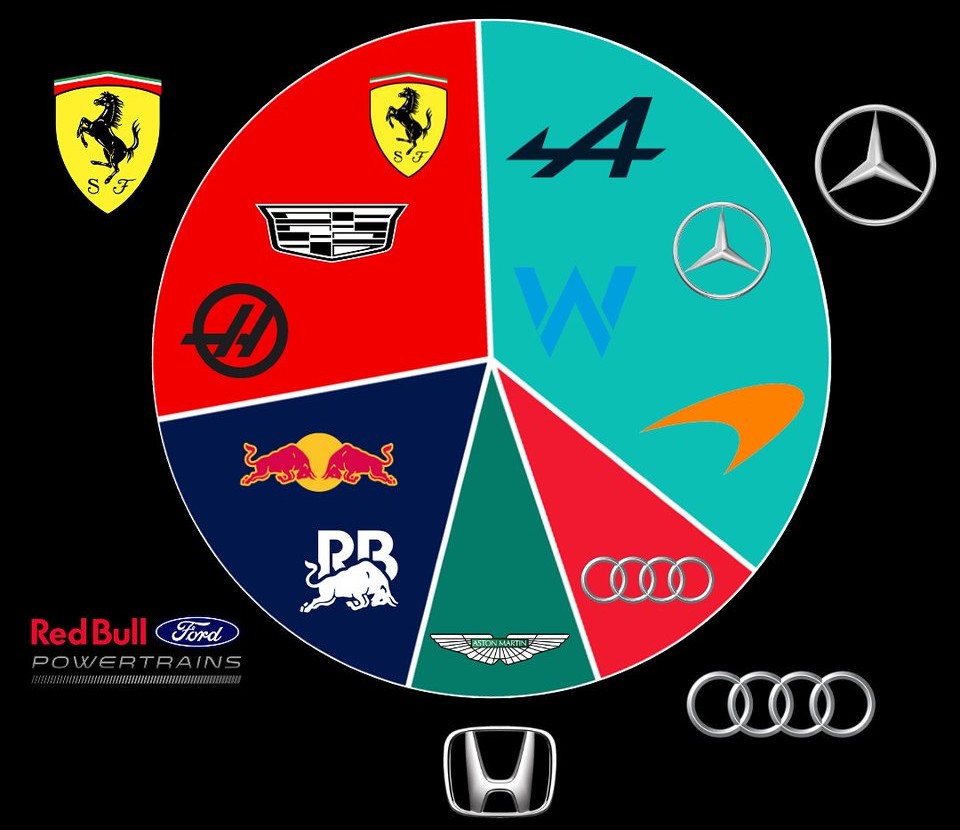
The regulation reset means engine suppliers are flocking back to the sport. Enter Audi as a full works team after acquiring Kick Sauber in 2022. Many are eager to see how the German manufacturer measures up against long-established teams. If it works, great. If it doesn’t, at least their TikToks with Valtteri Bottas in 2024 were entertaining.
American car manufacturer Cadillac also makes its long-awaited entry, partnering with Ferrari for its power units. This is the first time F1 has had 11 teams and 22 drivers since 2016. So, fans can anticipate some fresh competition across a grid already filled with ambition.
After powering Red Bull Racing (Red Bull) to multiple championships, Honda shifts allegiance to Aston Martin with a new works partnership. This positions the team for a resurgence, especially with the appointment of F1 design legend Adrian Newey as team principal.
Filling the engine void at Red Bull and Racing Bulls, Ford returns to the sport for the first time since 2004. This move highlights F1’s growing commercial success in the US, boosted by the Austin Grand Prix and the popularity of the Netflix docuseries Formula 1: Drive to Survive.
Ferrari, meanwhile, carries the burden of expectation. They have the talent, resources, and legacy. However, what they need now is consistency and sustained performance. Mercedes also hopes to move past its post-2021 struggles with a season built on refinement and renewed focus.
After a disastrous 2025 campaign, Alpine will switch to Mercedes power units to regain competitiveness and stability. This marks the end of an era for Renault, which fully withdraws from the sport as an engine supplier.
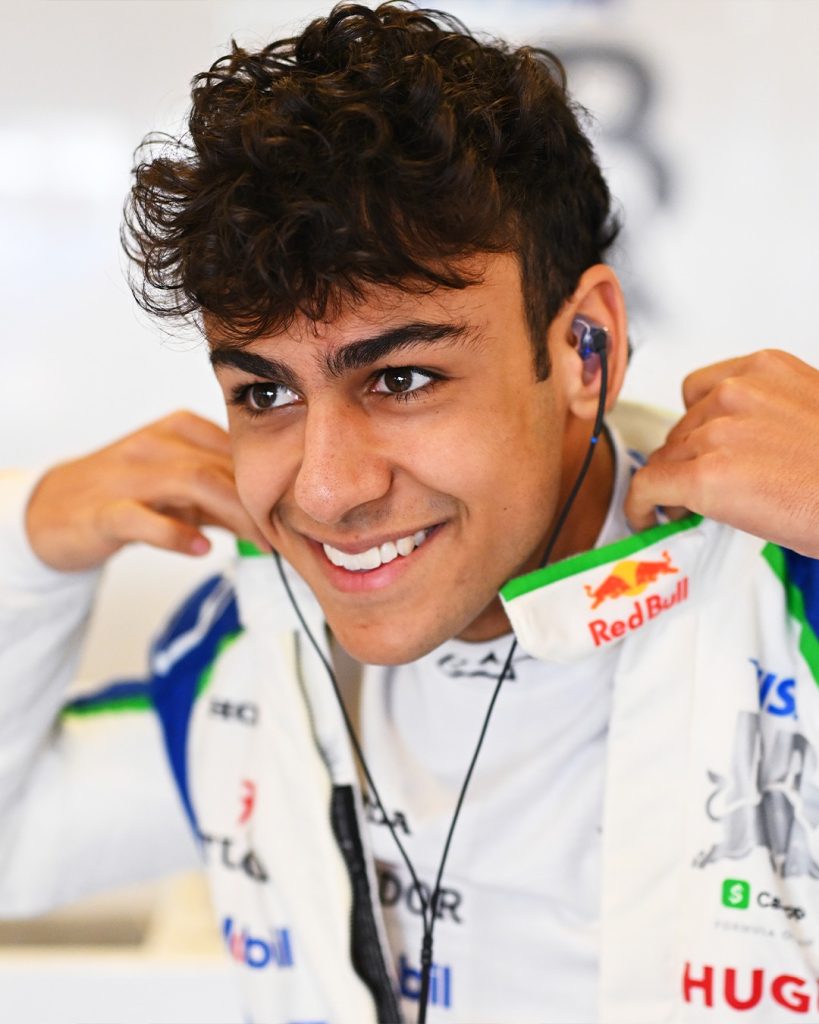
Audi arrives with the same driver lineup as 2025, when it was Kick Sauber. Nico Hulkenberg brings experience, while young talent Gabriel Bortoleto offers long-term potential. It’s a lineup that gives the new manufacturer a solid foundation as it navigates its debut season.
Meanwhile, Cadillac has secured not one but two highly experienced drivers in Sergio Perez and Bottas. Both offer race-winning experience, giving the newest team a reliable baseline as it settles into the rhythm of the race calendar.
At Aston Martin, Fernando Alonso and Lance Stroll continue their two-year partnership. With Honda engines and Newey's influence, the combination may finally give the two drivers the machinery and leadership to fight for wins again.
Red Bull and lead driver Max Verstappen enter 2026 having lost their dominance. As a result, the team will pair Verstappen with rising talent Isack Hadjar, who steps up from their sister team. Whether Hadjar can adapt quickly and handle the intensity of the main team remains to be seen, but the opportunity is significant.
Meanwhile, Racing Bulls fills its vacant seat with Red Bull Junior driver Arvid Lindblad, who partners with Liam Lawson. This ends the much-beloved bromance between 2025 teammates Hadjar and Lawson, whose hilarious TikTok content kept fans interested in the midfield team off track as much as on it.
Ferrari sticks with Charles Leclerc and Lewis Hamilton, a pairing that mixes raw speed with veteran experience. For Hamilton, this marks his fourth regulation era, and possibly, his last chance at a title push this late into his career.
After missing out on a record-breaking eighth championship in 2021, his move from Mercedes to Ferrari was a revival for the discouraged tifosi (Ferrari fans). However, his first season with the Scuderia proved challenging as Hamilton struggled to settle into the car. Hopefully, the latest ruleset will offer the British driver a clean slate to reinvigorate his love for the sport.
At Mercedes, George Russell and Kimi Antonelli also retain their partnership for a second year. Russell has become the team’s lead driver since Hamilton left in 2024. On the other hand, Antonelli represents the team’s future with a highly rated junior driver, whose early promotion to F1 has been closely watched across the paddock.
Continuing the trend, Esquire Singapore cover star Pierre Gasly and Franco Colapinto remain at Alpine. This resumes their lineup from late 2025 after Colapinto's promotion from reserve driver. After multiple in-season changes to their second driver, fans are ready for a stable duo to drive for the French team.
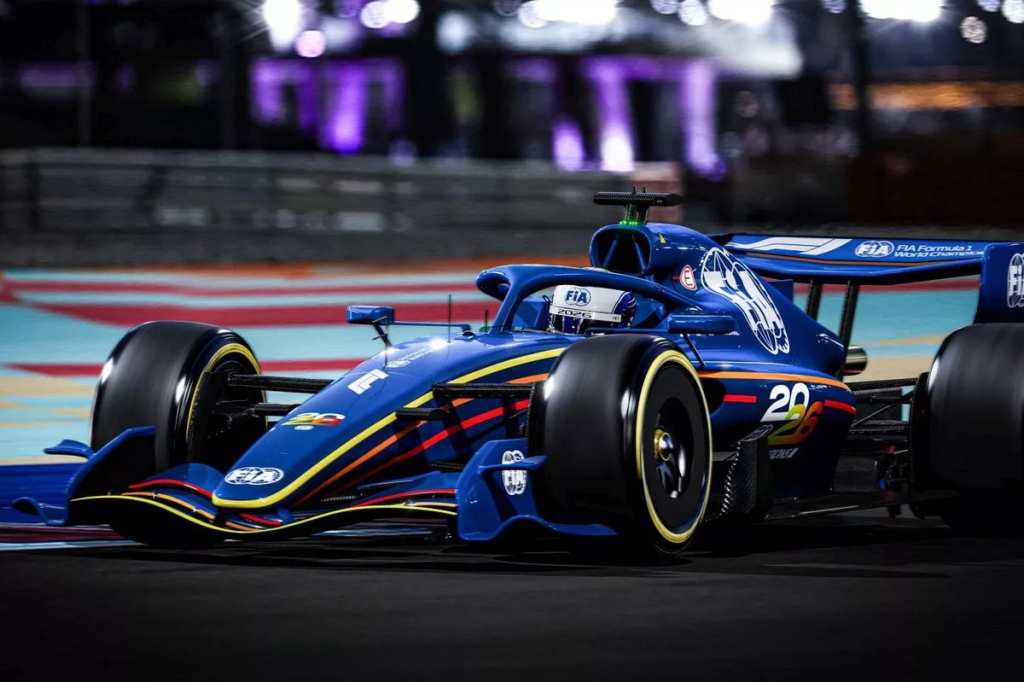
Lando Norris enters the 2026 season as the reigning World Drivers’ Champion, with McLaren holding the Constructors’ Championship. For Norris and the team, the challenge now will be to defend both titles this year.
The rest of the grid is eager to halt their progress, concerned that their rise could usher in a new dominant era. However, this season serves as a reboot with fresh rules to reset expectations. Smaller midfield teams will have the chance to disrupt the competitive order. Therefore, an unpredictable year awaits fans and critics alike.
Pre-season testing begins in late January in Barcelona, followed by two sessions in Bahrain around February. This is the first real opportunity to see how each car behaves outside the factory. Teams will gather data, trial setups, and examine performance to gauge how it may behave at different tracks.
While it won’t reveal the full picture, it may offer clues as to who has understood the new regulations and who needs more time. Then, the lights will go out in Australia for the season opener in March as the pecking order finally emerges for 2026.

Esquire Malaysia
©2026, Heart Media Pte Ltd
