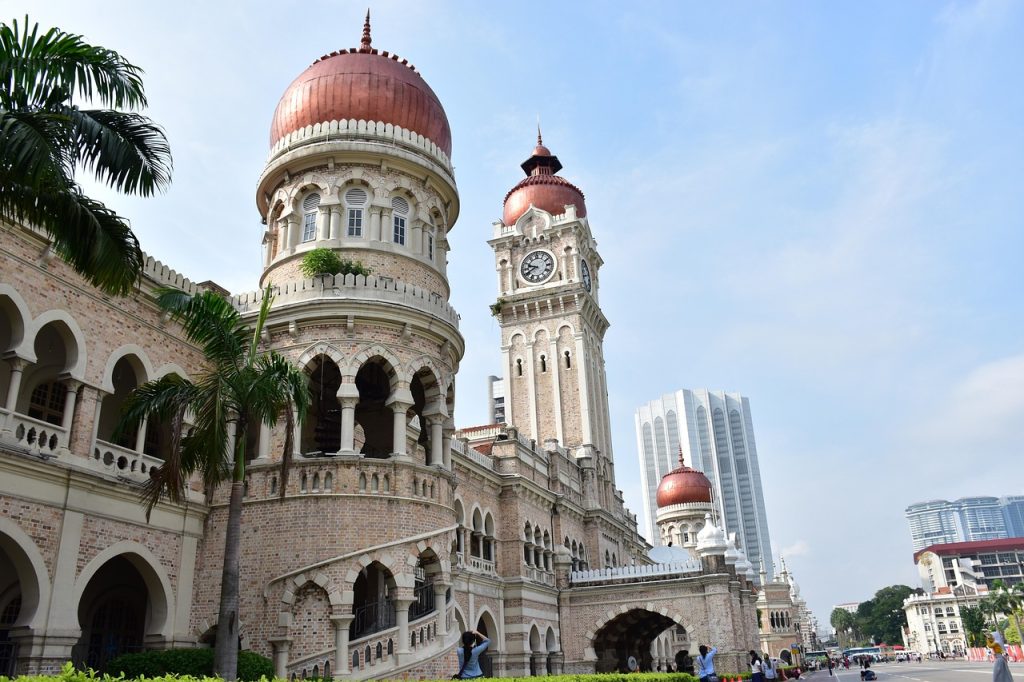
After a year behind closed doors, one of KL’s most recognisable landmarks has just reopened. The Sultan Abdul Samad Building is now welcoming the public again following a major restoration project. It marks a significant step in the city’s ongoing effort to protect and reframe its heritage, in light of Visit Malaysia Year 2026.
Completed in 1897, the building sits at the edge of Dataran Merdeka and has long been part of our national memory. It was originally constructed to house the British colonial administrative offices and later served as a courthouse before being vacated in the early 2000s.
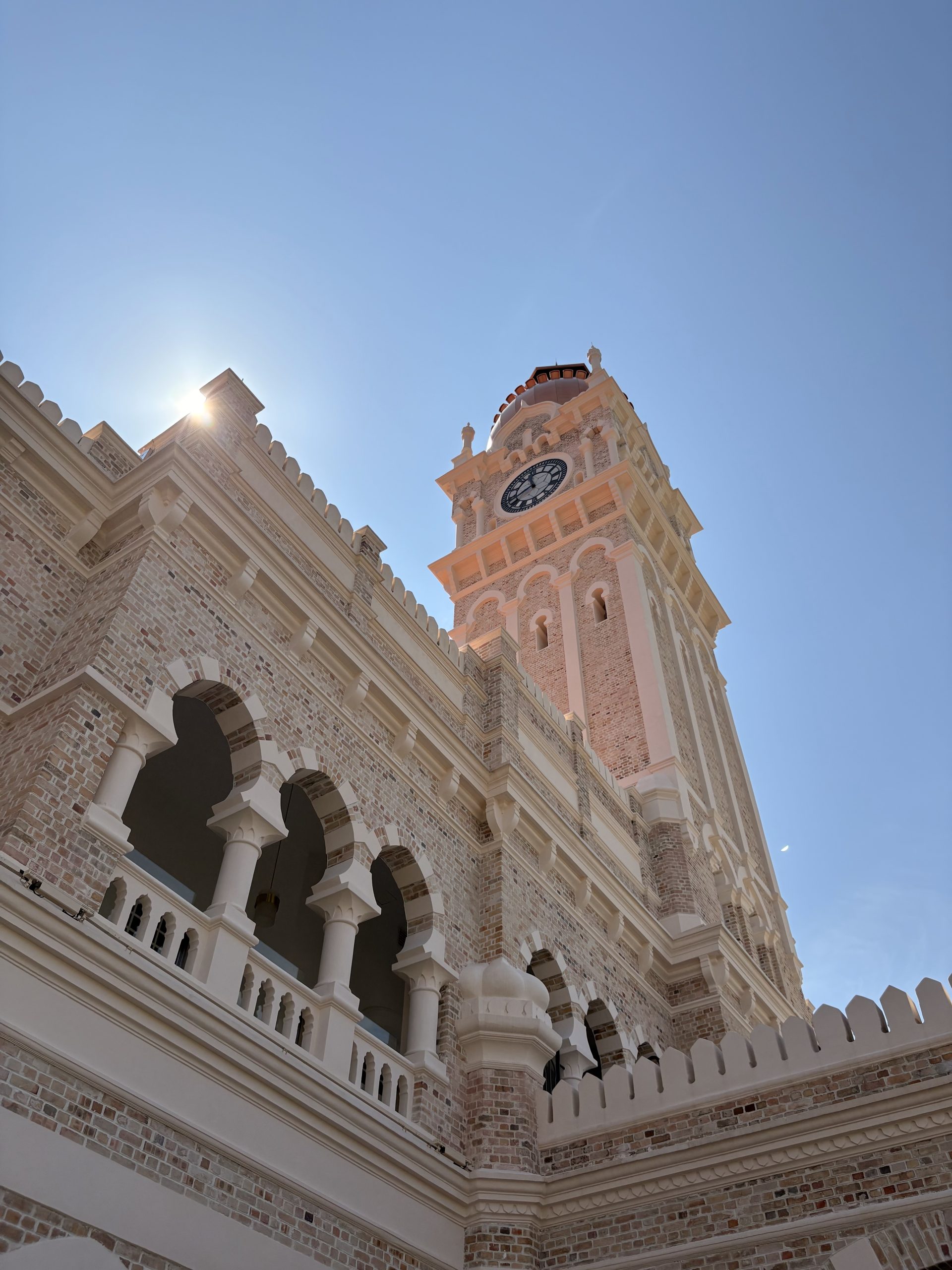
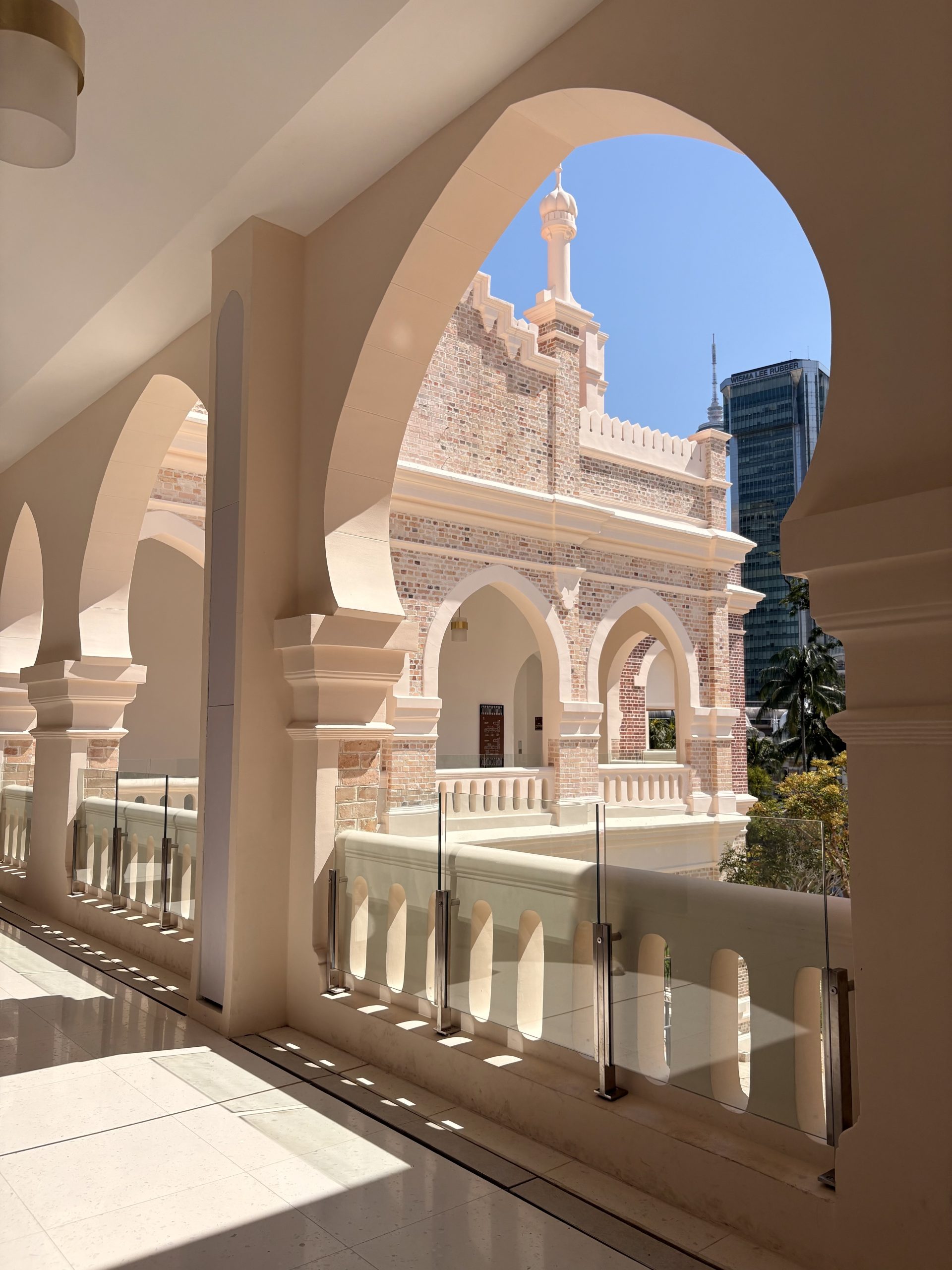
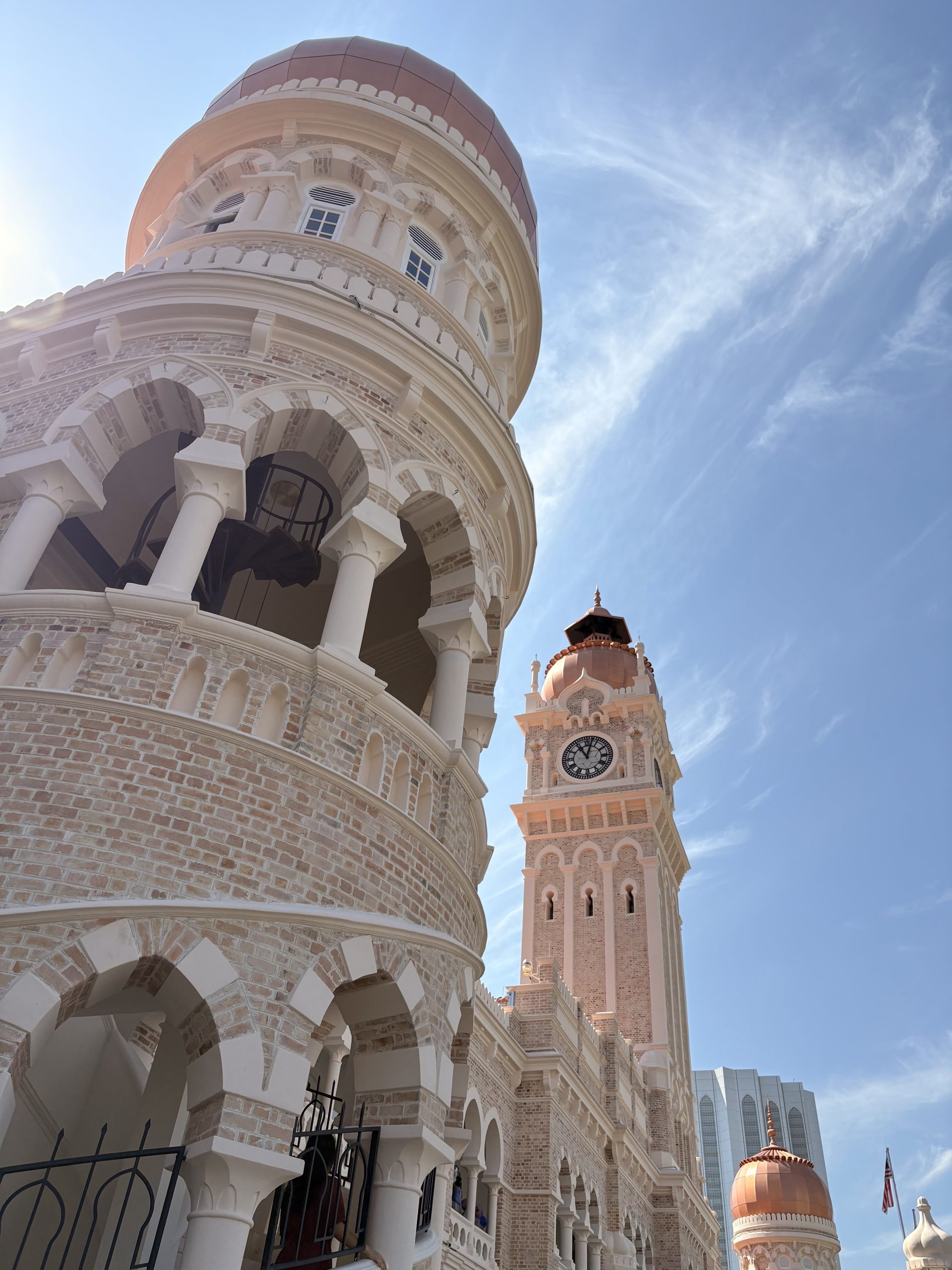
The balconies and interior corridors offer views of the city that feel both familiar and newly revealed. Its copper domes, arched colonnades, and clock tower have witnessed key moments in the country’s political and civic life. From wartime transitions to national ceremonies, its history mirrors KL’s own evolution.
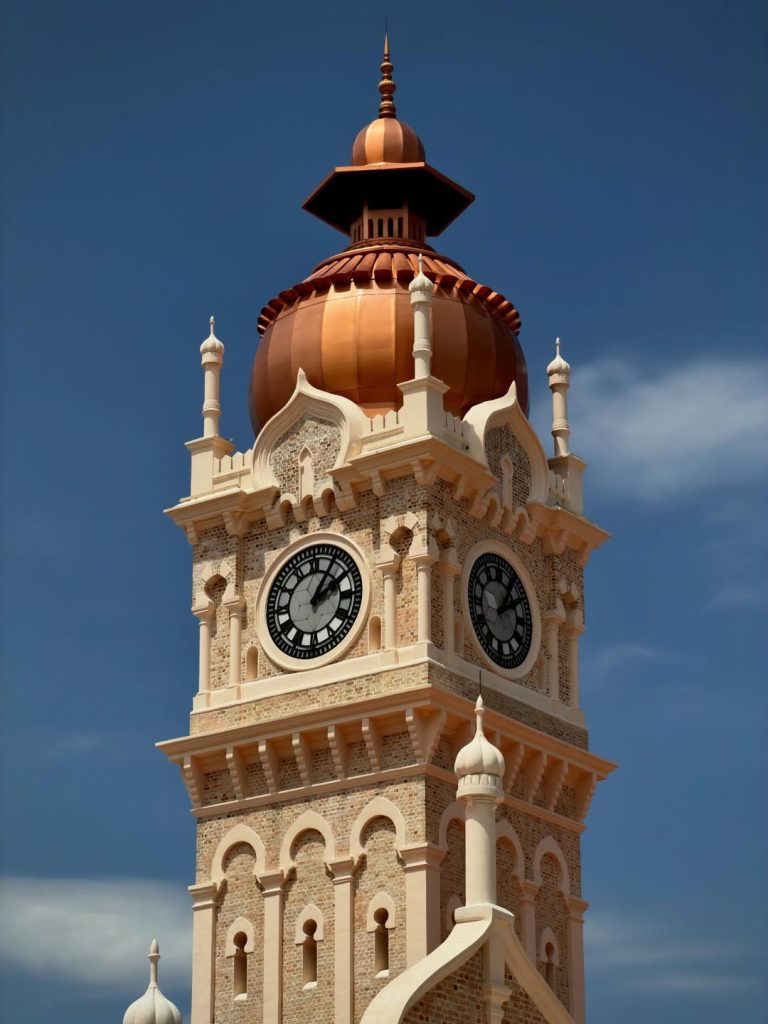
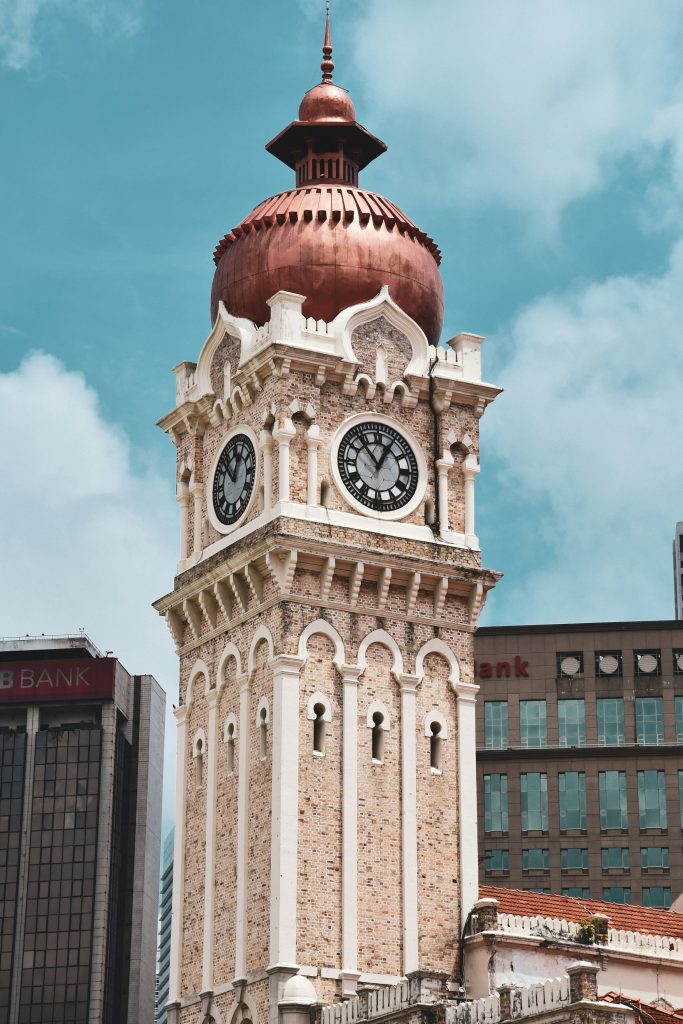
For years, however, most visitors knew it only as a backdrop for pictures, not as a space they could enter. That has now changed. For tourists, the building now provides a clearer context for one of KL's most photographed locations. For locals, it offers something more personal. A chance to step inside an iconic landmark that has always been present, yet rarely experienced.
Areas that were once restricted are now open, allowing people to experience the building as a cultural venue rather than a distant monument. It houses curated exhibition halls that trace the story of KL, from its early development through the colonial period into independence in 1957. By repositioning it as an educational site, the project encourages visitors to engage with this historic space not only as a symbol but as a place for learning.
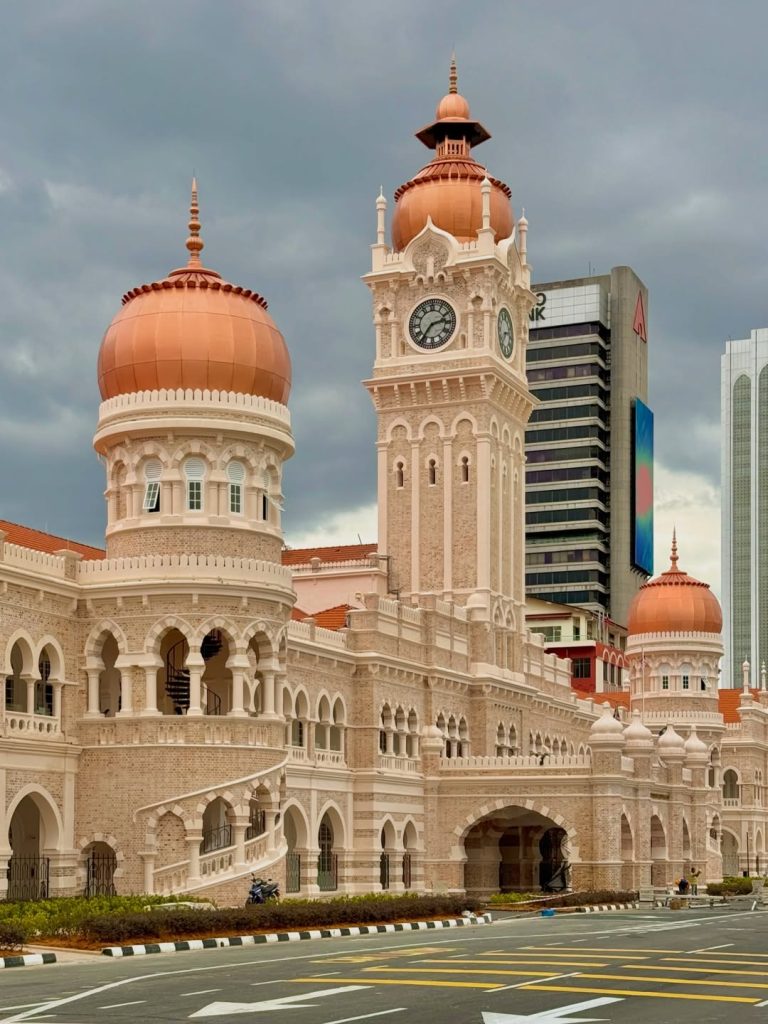
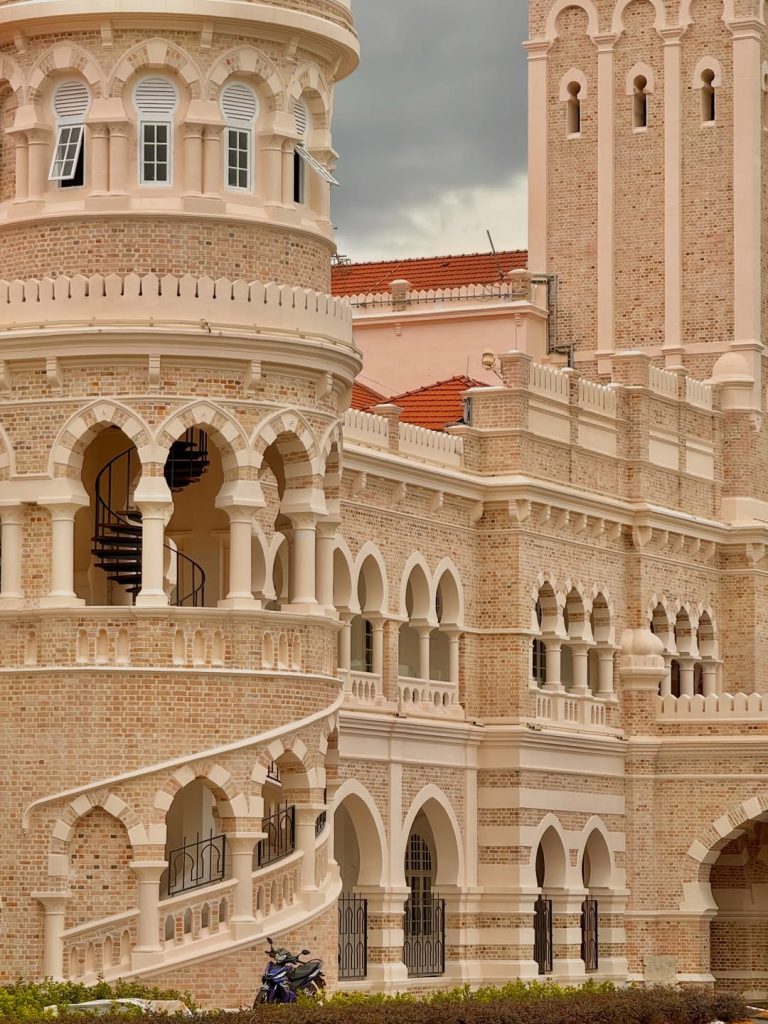
The reopening follows the completion of the first phase of restoration works under the Warisan Kuala Lumpur initiative, supported by Dana Warisan Khazanah. This phase focused on Block 1 of the complex and involved structural conservation, including façade repairs and careful upgrades, to ensure the building could safely host visitors.
In a city where rapid development often overtakes preservation, the reopening sends a clear message about what’s worth holding onto. It acknowledges that national identity is shaped by physical spaces as much as by narratives, and that heritage buildings can evolve without being erased.
This is also not the only heritage project receiving attention in KL. Nearby, the restoration of Seri Negara has been completed, returning the former ambassador’s residence to public use. The Kuala Lumpur Railway Station is undergoing conservation work too, with strengthening and refurbishment underway to preserve its original architecture.
The Sultan Abdul Samad Building is now open to the public, with further restoration phases planned for other sections of the complex. For now, its return marks a rare moment where conservation, access, and relevance align. In a fast-changing city, that matters.

Esquire Malaysia
©2026, Heart Media Pte Ltd
