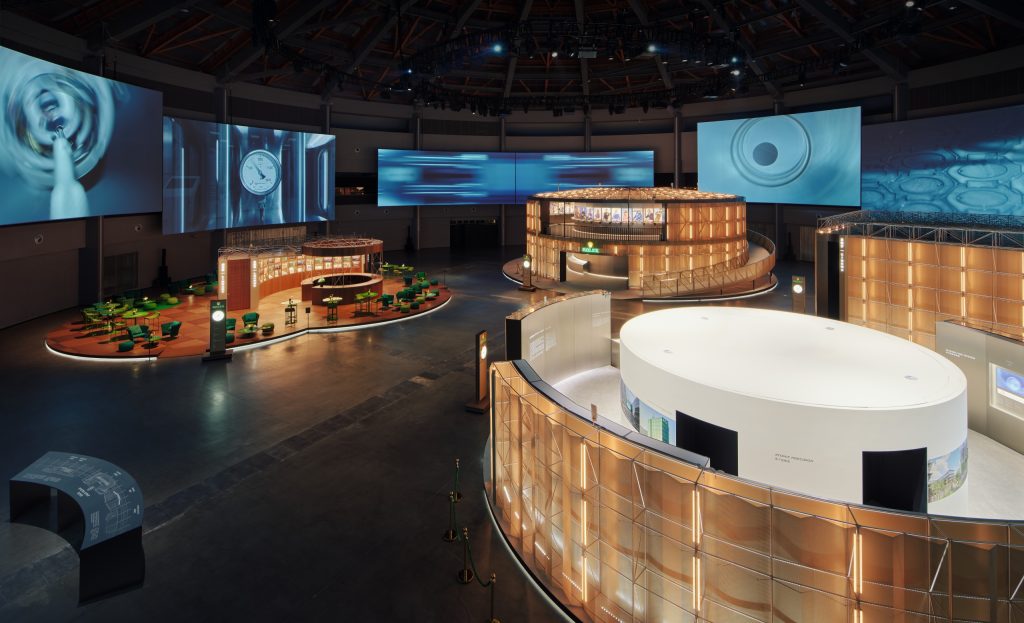
Rolex just celebrated its 100th anniversary of the Oyster last June in Shanghai, and at face value, it may seem like just a celebratory event for a brand milestone, but fans of horology will see it as an appreciation for one of the industry’s most important advancements in history. But before we get ahead of ourselves, here’s a quick primer.
Enter the Oyster
When we mention the celebration of the Oyster, we’re tracing back to a time when Hans Wilsdorf, the founder of Rolex, had a vision to create a waterproof and dustproof wristwatch. And Wilsdorf did exactly this in the year 1926, bringing about the creation of the Oyster. How the watch achieved insulation from the elements was through an ingenious combination of a screw-down crown, hermetically sealed caseback, and screw-down bezel, and this innovation would alter the course of horological history, though that’s a story for another day (we only have so much page real estate).
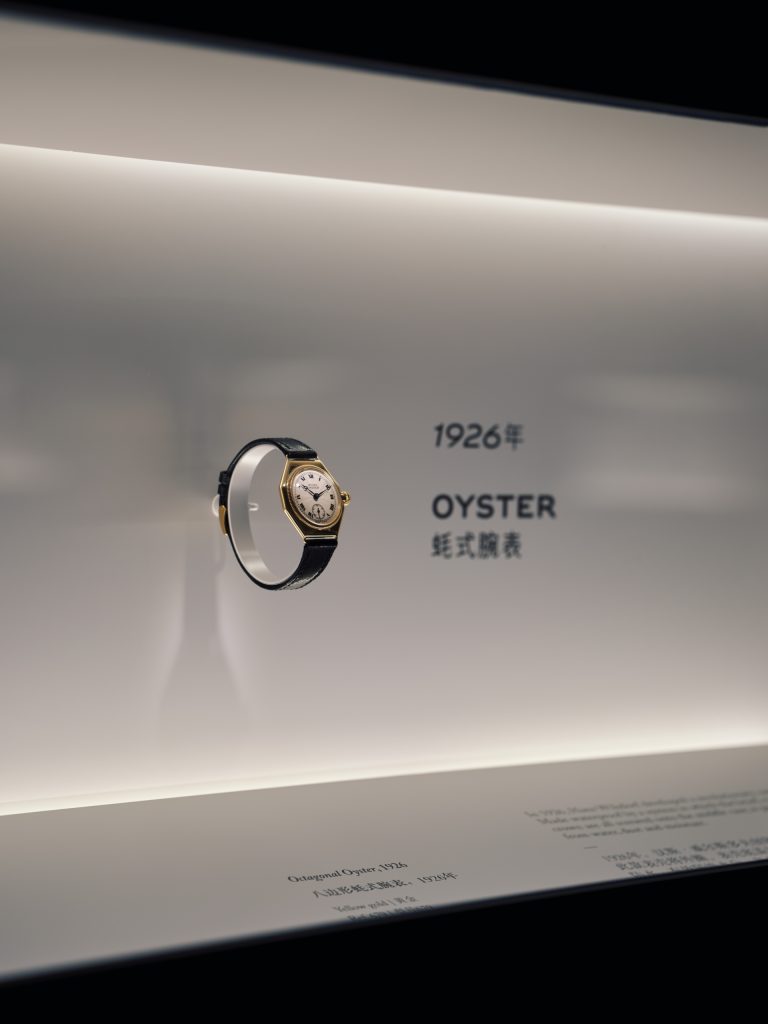
This gave the wrist watch so many possibilities, though it’s not like the average watch enthusiast of the time was hankering for a swim with their watch on. Keep in mind this was the era of the pocket watch, and no sane owner would bring their timepieces anywhere near a body of water.
It wasn’t as if water was the only danger to watch movements, anyway. You had dust, moisture, and even skin flakes threatening to gunk up the gears and springs, which is why this waterproofness gave way to so many other practical uses for the everyday watch owner. You can guess, then, why this technology was named the Oyster. Just imagine the mollusc in its natural habitat and you get the picture.
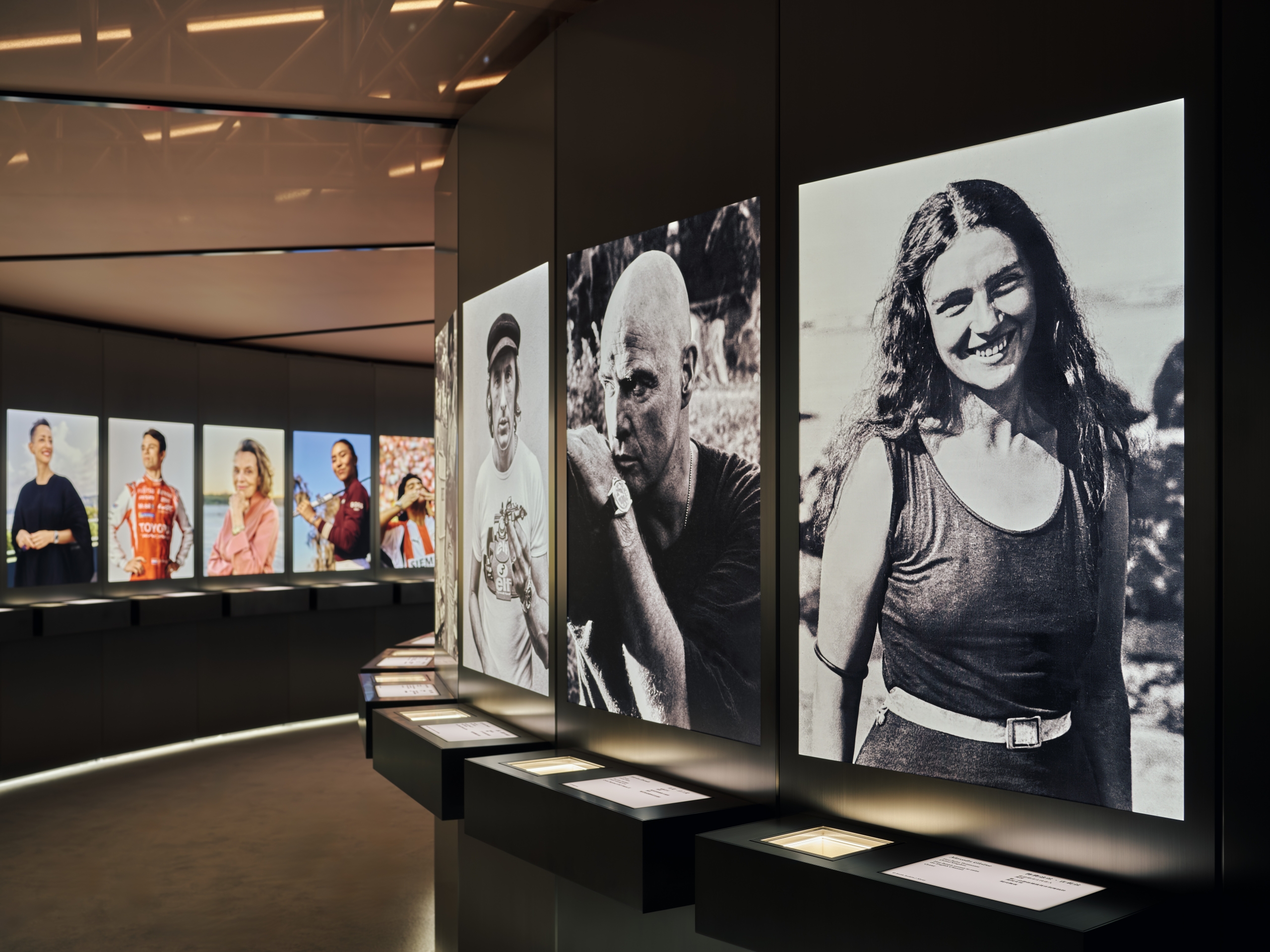
But claiming your watch impenetrable was one thing, and proving it was another. That’s where Mercedes Gleitze came in—the first English woman to swim across the English Channel—to really put the Oyster through its paces. After more than 10 hours of being in the water, the watch continued to tick without (quite literally) missing a beat, and thus began the brand’s foray into airtight watch cases and Testimonee inductions.
Today, the list of Testimonees covers the categories of sports, arts, and vanguards of the environment. On a more general basis, the list honours individuals who share Rolex’s values and pursuit of excellence, as well as the willingness to wade into uncharted territory. Some of the most renowned personalities include Roger Federer, Tiger Woods, James Cameron, and Leonardo DiCaprio.
With names like that, it goes without saying that to be a Testimonee, you will need to have strived for something meaningful, and to highlight the unending capabilities of the human spirit. This is often done without a guarantee in mind, almost seemingly operating out of blind faith, sometimes. Sounds like Wilsdorf’s journey into creating the Oyster, doesn’t it?
The lay of the land
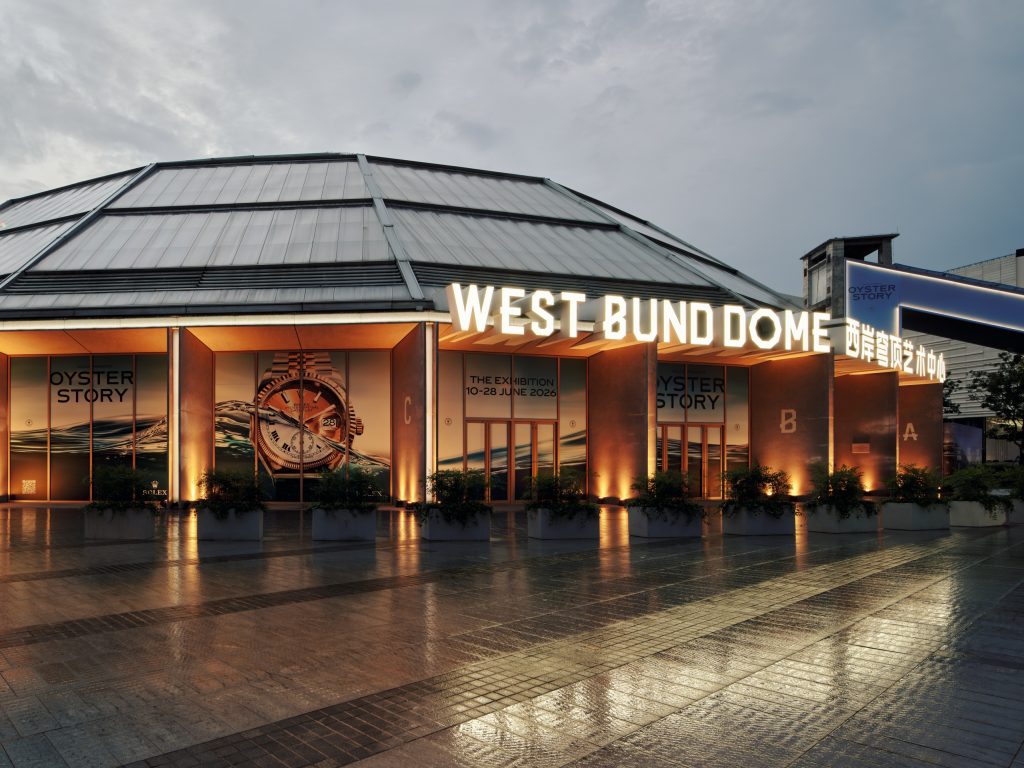
It is with this quick primer above that you hopefully get a clearer picture to better appreciate Rolex’s 100th anniversary of the Oyster in Shanghai, with each installation and within the exhibition paying tribute to the horological advancements and mortal achievements alike.
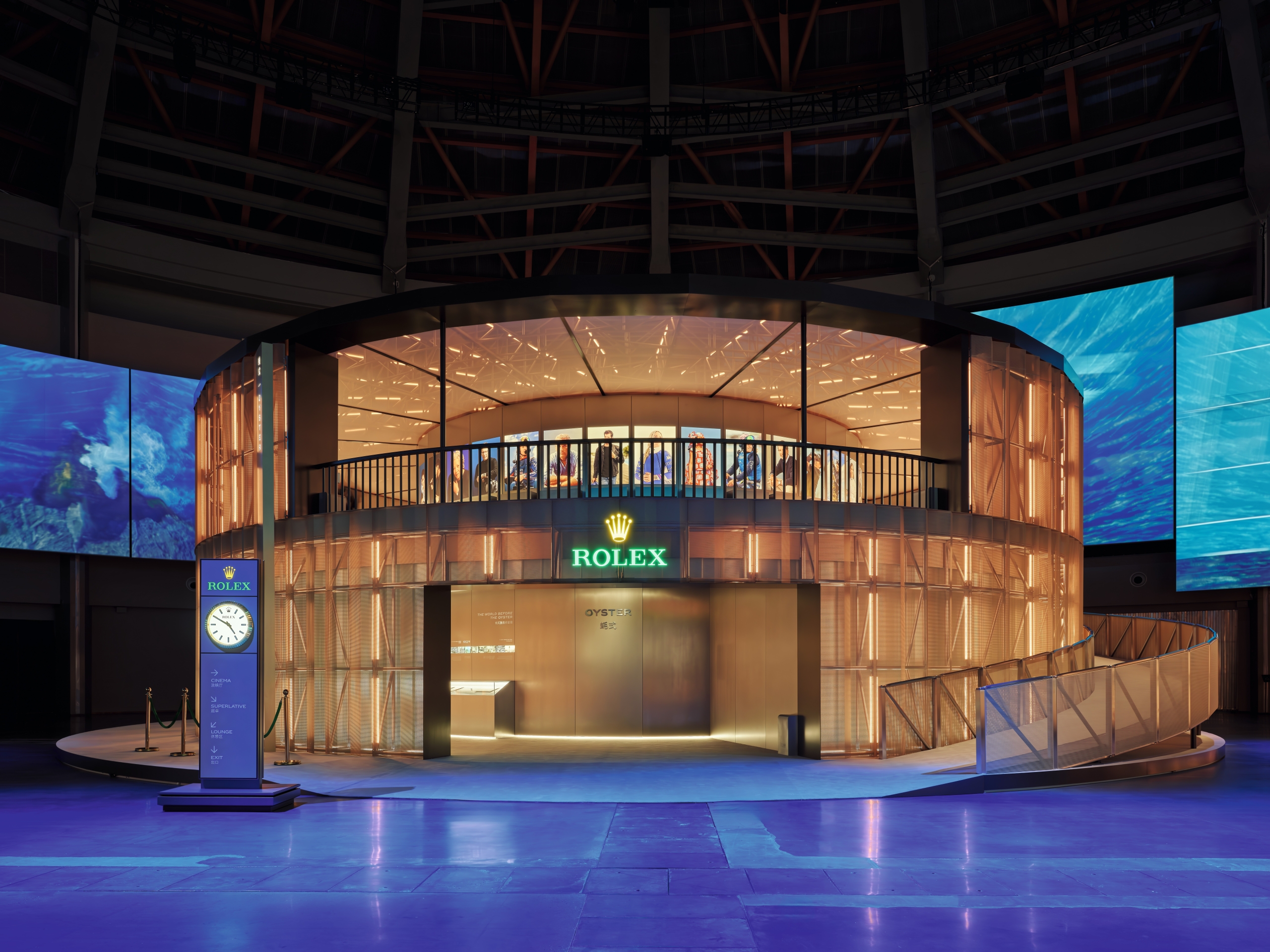
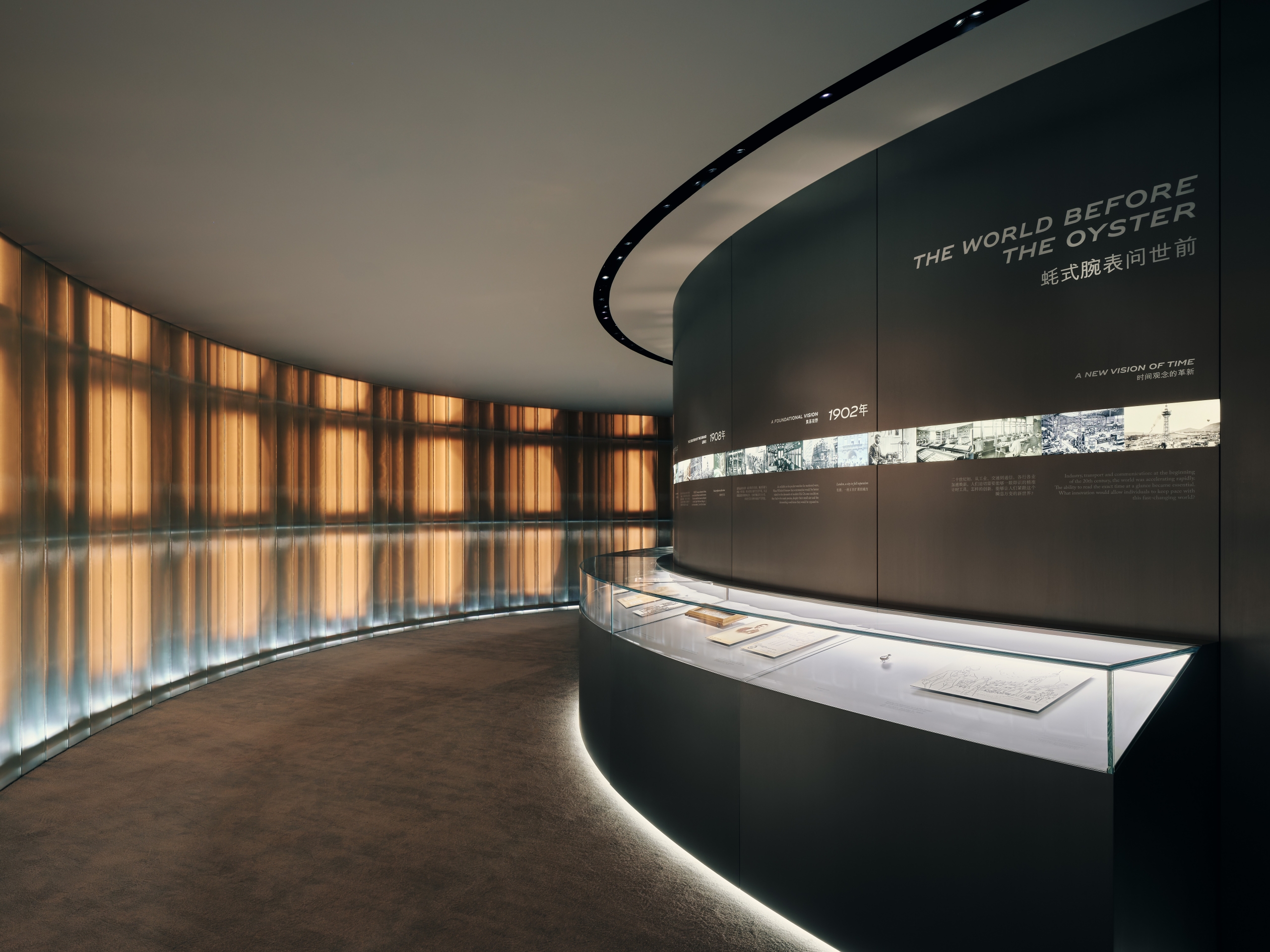
First, let us recall the layout of the exhibition, which was housed in the West Bund Dome. The main pavilion was dedicated to the Oyster, and it held rare and iconic models that were created throughout the brand’s timeline, including privately owned timepieces that were loaned just for the exhibition.
Then there was the ‘Superlative’ pavilion, which highlighted the manufacture and maintenance of the timepieces. If you enjoy knowing what’s ‘under the hood’ or, quite simply, how things work, then this section would’ve been your heaven. You wouldn’t look at the watches as a whole here, and instead, you’d be able to study the movements, bezels, dials, or bracelets in minute detail.
If you’ve ever been curious about the Superlative Chronometer certification, this would be the place to know more. And while we’re on the geeky side of things, it would perhaps tickle your fancy to know that Rolex’s Atomic Clock was also part of this exhibition, boasting a drift of only one second every—get this—million years! Pretty mind-boggling, seeing how none of us, even our grandchildren’s grandchildren, will be around to witness this clock lose time.
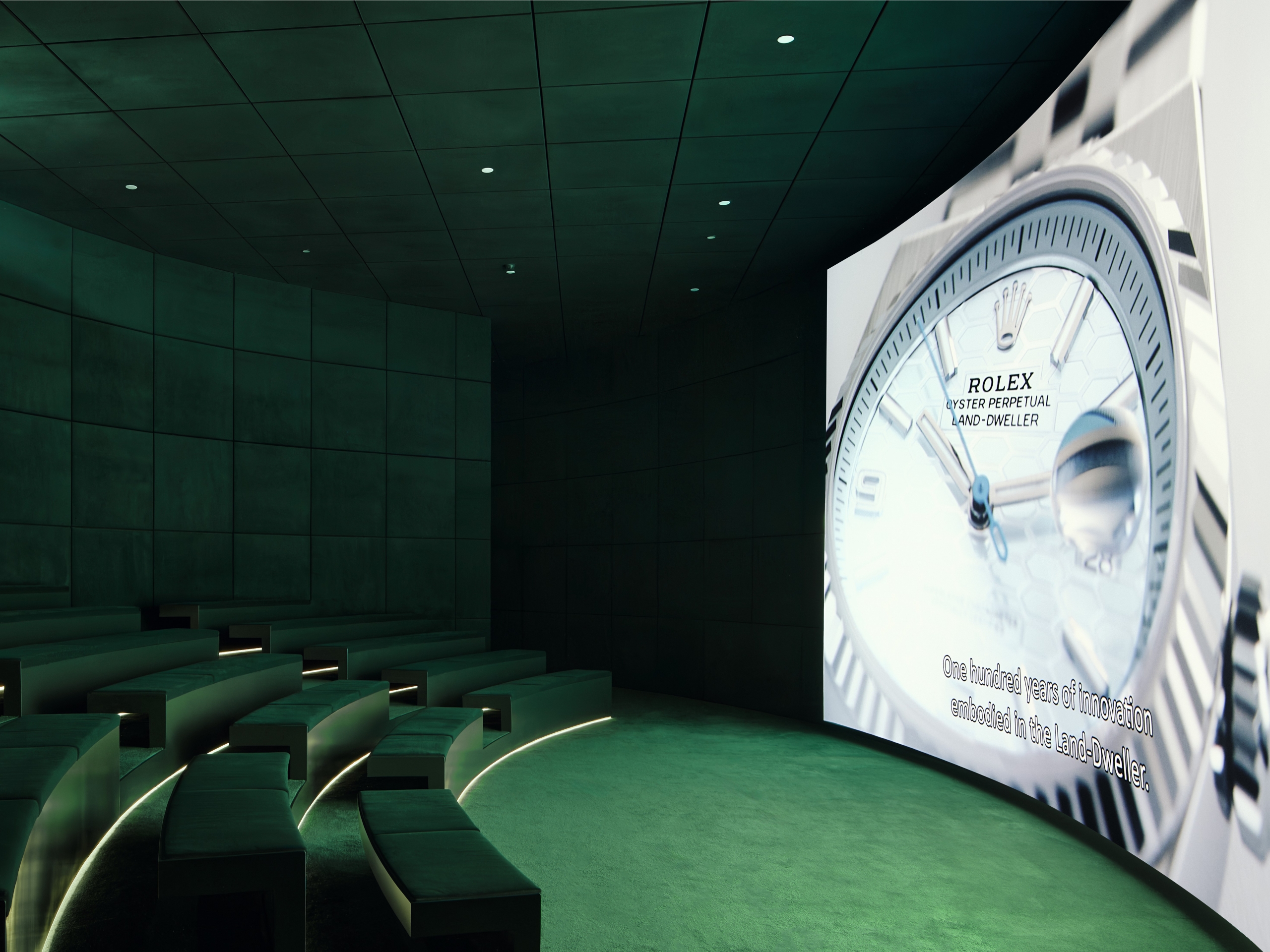
There was also the cinema space, which played a film on the Oyster’s history on loop. While this was the most natural way to present Rolex’s beginnings, we couldn’t help but appreciate the subtle reference to the arts. This theme of the arts also extended towards the Library Lounge, which was a transcription of the Rolex universe onto the printed page.
From Testimonees to ceremonies
Now that we’ve covered the layout, it’s time to move on to what transpired through the night. The Rolex Testimonees in attendance were opera soprano Sonya Yoncheva, acclaimed filmmaker Jia Zhang-Ke, and former tennis player Li Na, with Yoncheva kicking off the event with her moving rendition of *Hymne à l’amour*. Next came the speeches and toasts, which then made way for more mingling and exploration of the exhibition.
To round it all up, a spectacular drone light show marked the end of the event, with illustrations in the sky harkening back to the creation of the Oyster, Glietze’s historic swim across the English Channel, the Deepsea Challenger’s descent to the Mariana Trench, and Sir Edmund Hillary and Tenzing Norgay’s conquest of Mount Everest.
It’s cliché to say this, but you just had to be there. No amount of typing can describe the chain of events that celebrated an important milestone in Rolex’s history. But we may be getting ahead of ourselves again. Because looking back at the event, it wasn’t just the Oyster that stood out. There was an entire Rolex universe, spanning across various industries and timelines, a host of daring personalities who’ve inspired generations after them to pursue greatness, and a brand that grew from humble beginnings in London to becoming the horological juggernaut it is today.
When you look at it that way, it wasn’t just the Oyster we were celebrating, but the brand’s journey through time as a whole.

Esquire Malaysia
©2026, Heart Media Pte Ltd
