
What is showmanship without a show? Iqbal Ameer, Founder and Group CEO of Livescape, pens a personal letter on the state of our live music industry. In light of several high profile cancellations in recent years, local festivals now feel like they belong to the distant past, while big international acts are increasingly rare. Can we find our way back?
Dear Malaysia,
I’ve spent 15 years organizing live events here. With my team at Livescape, we’ve brought Armin van Buuren, Deadmau5, Pharrell Williams, and hundreds more to our shores. We’ve watched this industry grow, stumble, and sometimes face-plant into bureaucracy.
Malaysia could be Southeast Asia’s live entertainment capital. It should be! Instead, we’re watching Thailand, Singapore, and Indonesia eat our lunch.
Why?
Because we’re making it unnecessarily hard to throw a good party. So here are 8 things Malaysia needs to do if we’re serious about not being left behind.

India did it. They created a single agency that approves everything for live events in one go. Malaysia? We play bureaucratic ping-pong. DBKL. PUSPAL. Police. Fire Department. Multiple ministries.
Each one asks for the same documents in slightly different formats. Each one takes their sweet time.
It’s exhausting (and it’s expensive). And it’s why even though we do sometimes have the opportunity to bring in an act, we think ‘maybe not’.
At Livescape, we’ve spent 15 years proving that Malaysia can host world-class events. We’ve booked the electronic legends, the hip-hop icons, the festival headliners. But let’s be honest about what’s missing: the Taylor Swifts. The Oasis-es. The Beyoncés. The stadium-filling, flight-booking, hotel-selling acts that turn a concert into a national moment.
They’re not coming to Malaysia. Not yet. And it’s not because Malaysian fans don’t deserve them, because they absolutely do.
It’s because when a global tour manager sits down to map Southeast Asia, Malaysia looks like a headache. The approval process is opaque. The timelines are unpredictable. The goalposts move. So Bangkok gets the date. Singapore gets the date.
We get the livestream… and watch our neighbours count the tourism dollars. That has to change.
The fix: Create a Live Entertainment Cell—one agency, one application, one approval. Publish transparent permit criteria online. Set clear timelines (30 days for approval, for example). If the criteria are met, approve it.
If not, say why (in writing). Stop making us guess. Stop moving the goalposts.
Make it easy—and the world’s biggest acts will follow.

You know how movies have 18+, 15+, 13+ ratings? Why don’t we do that for events?
Right now, every event goes through PUSPAL for content approval. Every. Single. One. Even if it’s a jazz concert or a classical orchestra.
Here’s a radical idea: let event organizers self-certify with a rating system. Adult content? 18+ only. Family-friendly? All ages welcome.
The government can audit randomly, and they can stop treating every promoter like they’re smuggling contraband every time someone wants to play a guitar.
The benefit? We can host any type of event without moral panic. And parents can decide what’s appropriate for their kids. Not a committee that’s never been to a festival.
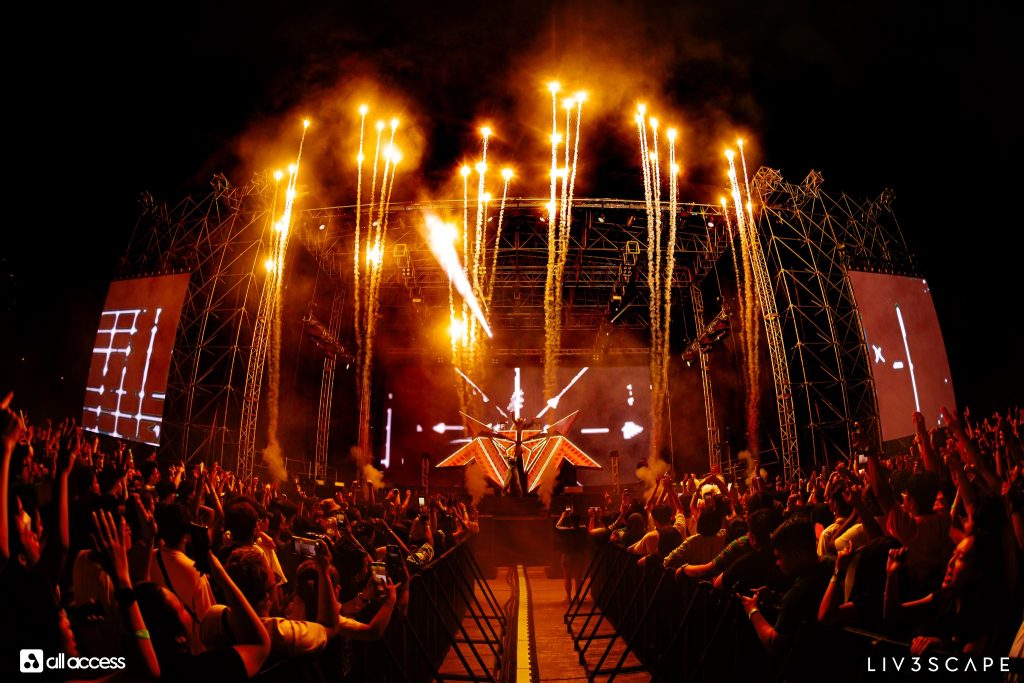
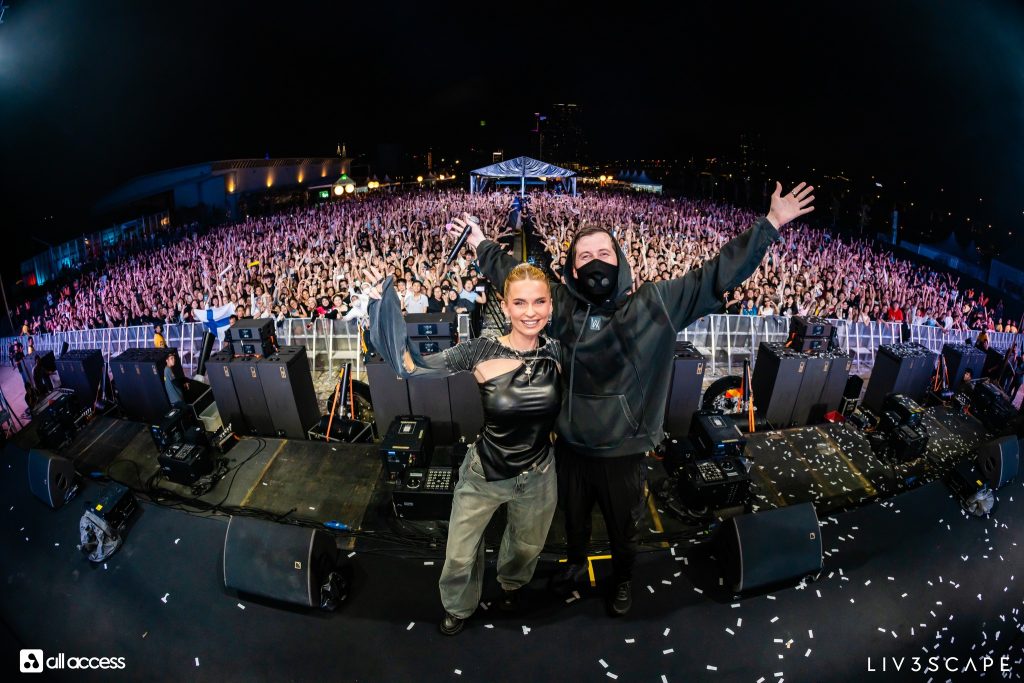
Malaysia is an incredible country. But can we talk about how our “world-class” venues still flood when it rains too hard?
We need proper drainage. We need power grids that can handle a 50,000-capacity event without tripping.
We need loading bays designed for actual festival logistics, not imaginary ones.
Singapore has the F1 circuit. Thailand has Impact Arena. Indonesia has Jakarta International Expo.
Malaysia has... potential. And puddles.

Here’s the pitch: you fly to KL for a weekend festival. Malaysia gives you a 20% rebate on hotels and attractions if you stay 3 extra days.
Why? Because that festival-goer becomes a tourist. They visit Batu Caves. They eat at Jalan Alor. They spend money. They post on Instagram. They tell their friends.
The math: 10,000 festival attendees x 3 extra nights x RM300/night = RM9 million in tourism revenue. From ONE event.
Tourism Malaysia, are you there?
You know what kills trust?
When a fan buys a RM300 ticket from a scalper, only to find out the face value was RM100.
Secondary ticketing platforms are a plague. They let bots buy up tickets in seconds, then resell them at three times, four times, five times the price. Fans get ripped off. Artists get blamed. The event gets a bad reputation.
The fix is simpler than it sounds: digital tickets with a built-in paper trail.
Think of it like this—every ticket has a unique digital fingerprint. That fingerprint records the original price, who bought it, and if it’s ever resold, what it was sold for.
You can’t fake it. You can’t inflate the price beyond a fair cap (say, 10% above face value). And when you scan your phone at the gate, you know instantly whether your ticket is real.
No more wondering if you overpaid. No more getting scammed by fakes printed off someone’s laptop. Just simple and honest ticketing that works the way it should.
Malaysia can actually be the first country in Asia to guarantee fans won’t get ripped off. That’s a real competitive advantage—and a reason for tourists to book with confidence.

Everyone’s worried about AI taking their jobs. Graphic designers, writers, lawyers, accountants are all at risk.
But here’s what AI can’t do:
Rig a stage in the rain. Troubleshoot a soundboard when it glitches mid-show. Manage crowd flow when 10,000 people rush the gate.
Live events are one of the last truly human industries.
These jobs require real-time decision-making, physical expertise, and the ability to adapt when things go sideways (which they always do).
The problem: Malaysia lacks internationally-certified technical crew, such as sound engineers, riggers, lighting techs. So the industry flies in expensive expats for every big show.
The fix: Government-subsidized training programs with international certifications (IATSE rigging, Yamaha sound engineering, and so on). Let’s create high-paying, AI-resistant jobs.
We’ll build local expertise and save money. Win-win.
Singapore gives tax incentives for major events. So does Thailand. Indonesia too. Malaysia? We have entertainment tax.
The government needs revenue—that’s understood. But when the tax burden is so heavy that international promoters bypass Malaysia entirely, the revenue collected is zero anyway.
Proposal: Tax holidays for events that bring 5,000+ international tourists. Watch the events—and the tax revenue—flood in.
Malaysia has world-class artists. But our own event organisers are so focused on ensuring they churn a dollar; and sometimes it’s even harder for them to perform locally than internationally.
Let’s flip that! We should go further than just cheerleading.
Start with incentives: events that feature a minimum 30% Malaysian acts on the lineup should get fast-tracked permits, tax relief and subsidies.
Make it worth doing. Then formalise it. Every major live event held in Malaysia—whether by a local or international promoter—should be required to include a meaningful percentage of Malaysian talent.
This is nation-building. An international audience that comes for the headline act and discovers a Malaysian artist they’ve never heard of? That’s how you build a global music export industry. That’s how you create the next Yuna. Except this time, she gets a proper stage at home first.
Priority permits for Malaysian artists. Government co-promotion for homegrown festivals. And a mandatory seat at every table.
Malaysia has everything: location, talent, culture, venues. What we lack is the political will to make it easy.
We’re still debating whether “rock music is un-Islamic” while our neighbours are selling out 100,000-capacity festivals and counting tourism dollars.
The question isn’t whether Malaysia can dominate live entertainment in Southeast Asia. The question is: how much longer are we willing to lose?
We can win if we put our heads together, walk the talk and focus on one shared objective: making live entertainment a core pillar in Malaysia’s culture.
With hope (and some frustration),
Iqbal
Iqbal Ameer is the Founder & Group CEO of Livescape Group, creator of It’s The Ship (Asia’s largest festival at sea), and Co-Founder of All-Access, a platform building the future of fan-owned experiences. Livescape has organized 300+ events across 15 years and still believes Malaysia can get its act together.

Esquire Malaysia
©2026, Heart Media Pte Ltd
