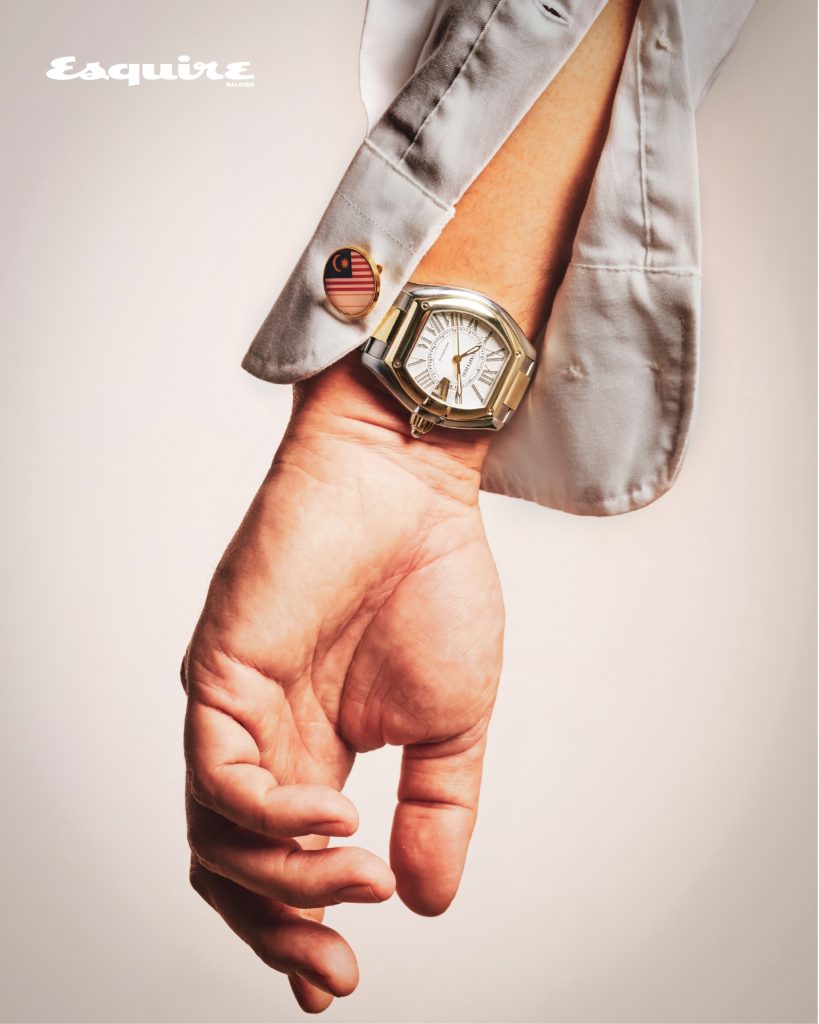
The Malaysian flag is also known as ‘Jalur Gemilang’, consisting of 14 stripes, representing the 13 states and the federal government. The 14 points of the star mirror this unity between states, and the moon represents Islam, the official religion of the country.
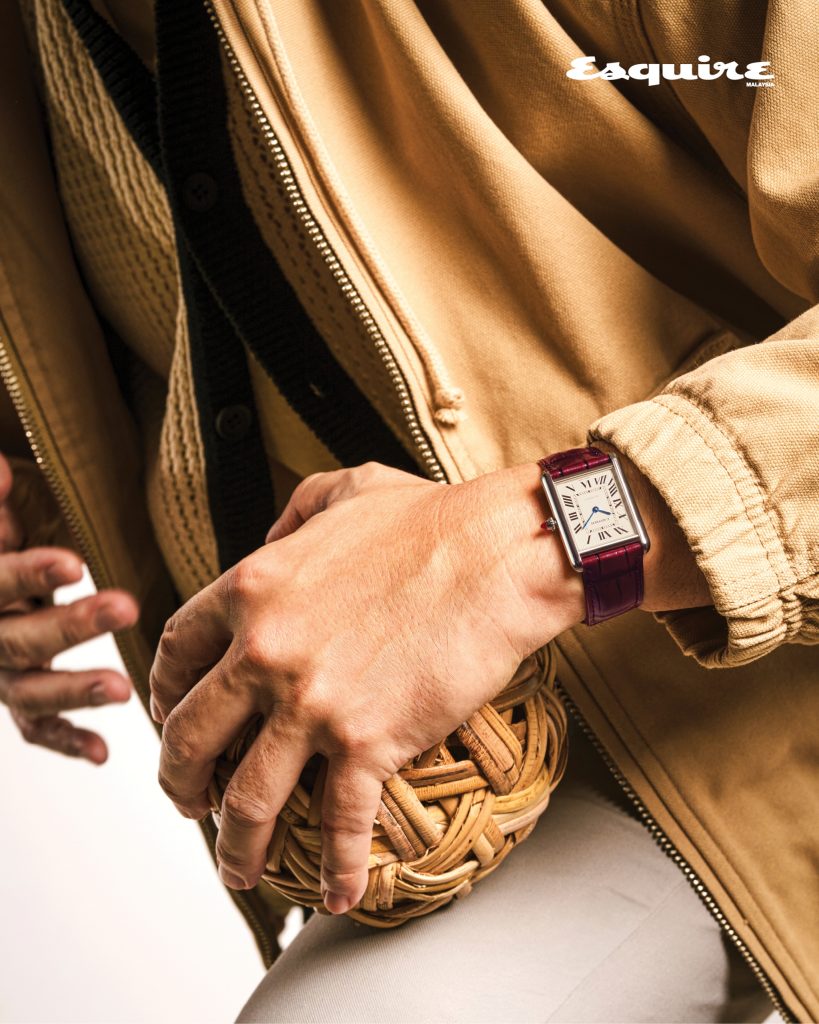
This takraw ball may look like a simple toy, but the acrobatics on the court are far from it. There is rarely a point won without a bicycle kick in the sport of sepak takraw, and that’s alongside all the other somersaults and splits the players do in a typical game.
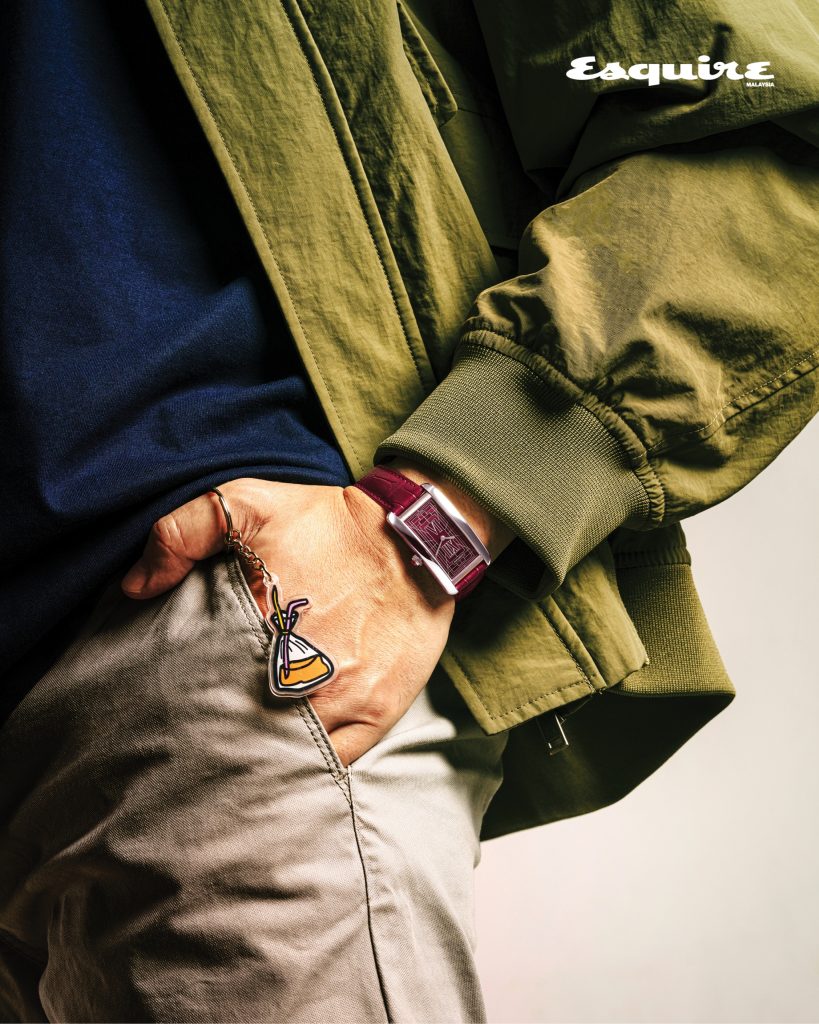
Ikat tepi is the quintessential way of buying drinks and consuming them on the go. The method pictured on this badge is of the ikat mati variety, which is good for portability, but not so for drinking.
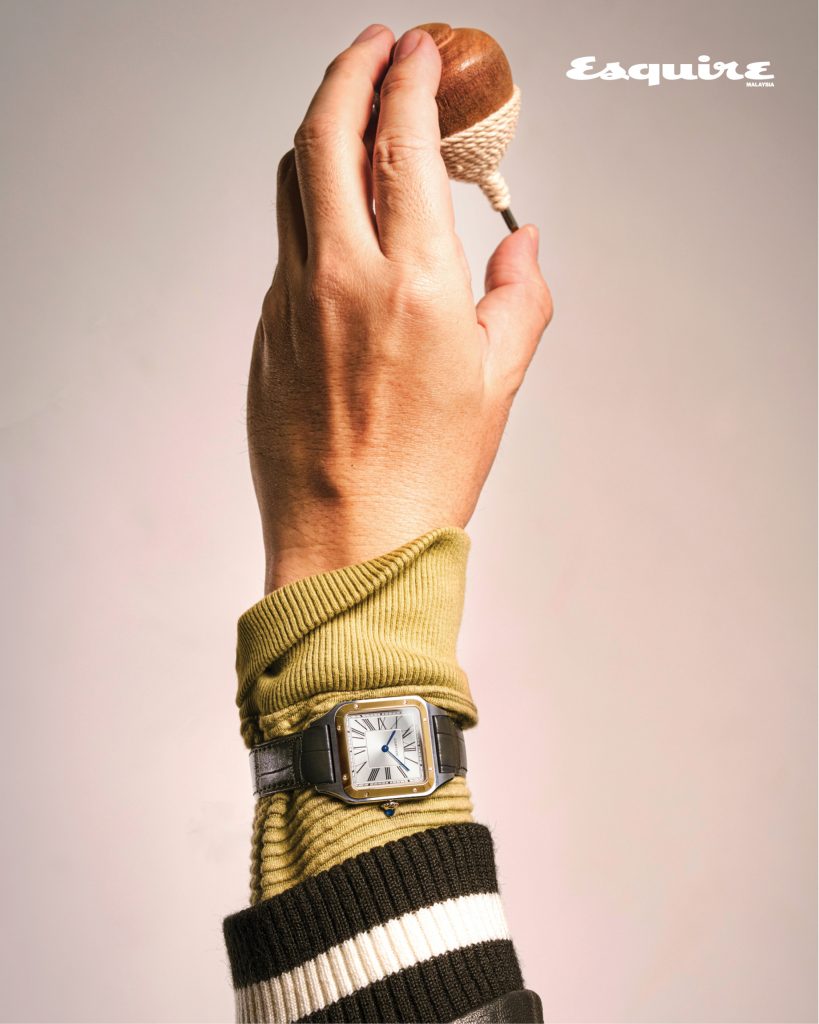
The Malay spinning top, also known as gasing, is a traditional game won by either knocking an opponent’s
top out of a circle, or to be the one still spinning, depending on the discipline you choose to compete in.
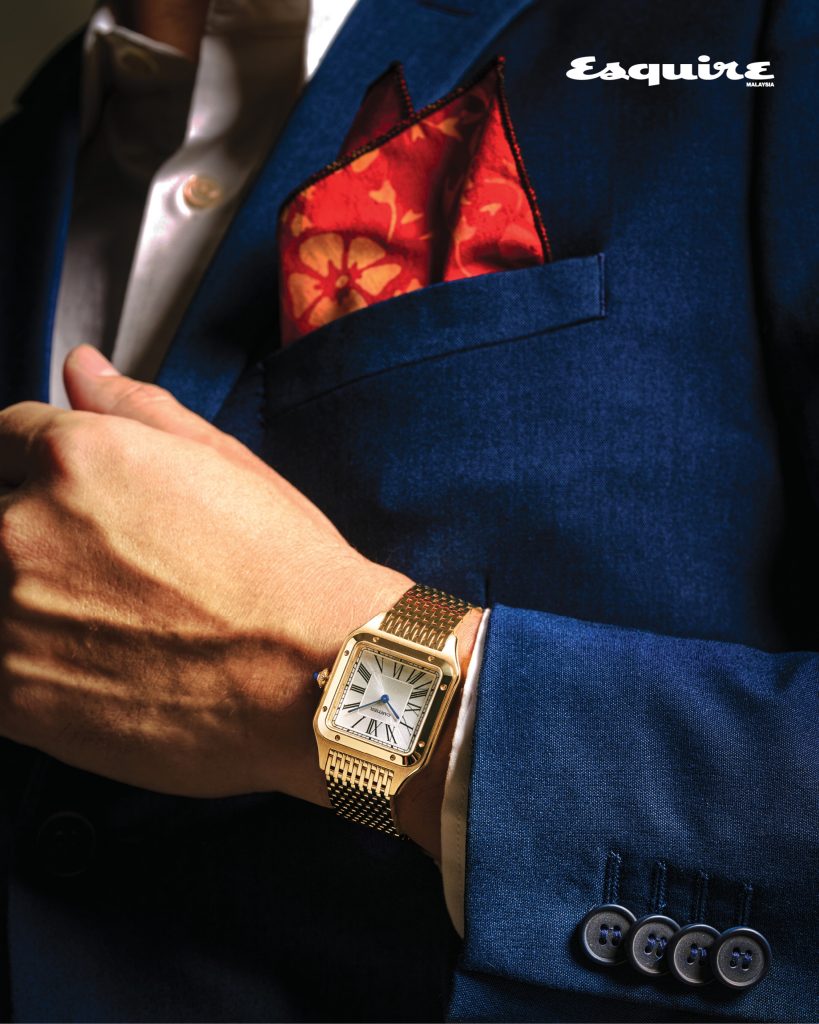
The hibiscus was elected as Malaysia’s national flower for many reasons, with one being the five petals representing the five core principles of the Rukun Negara (National Principles).
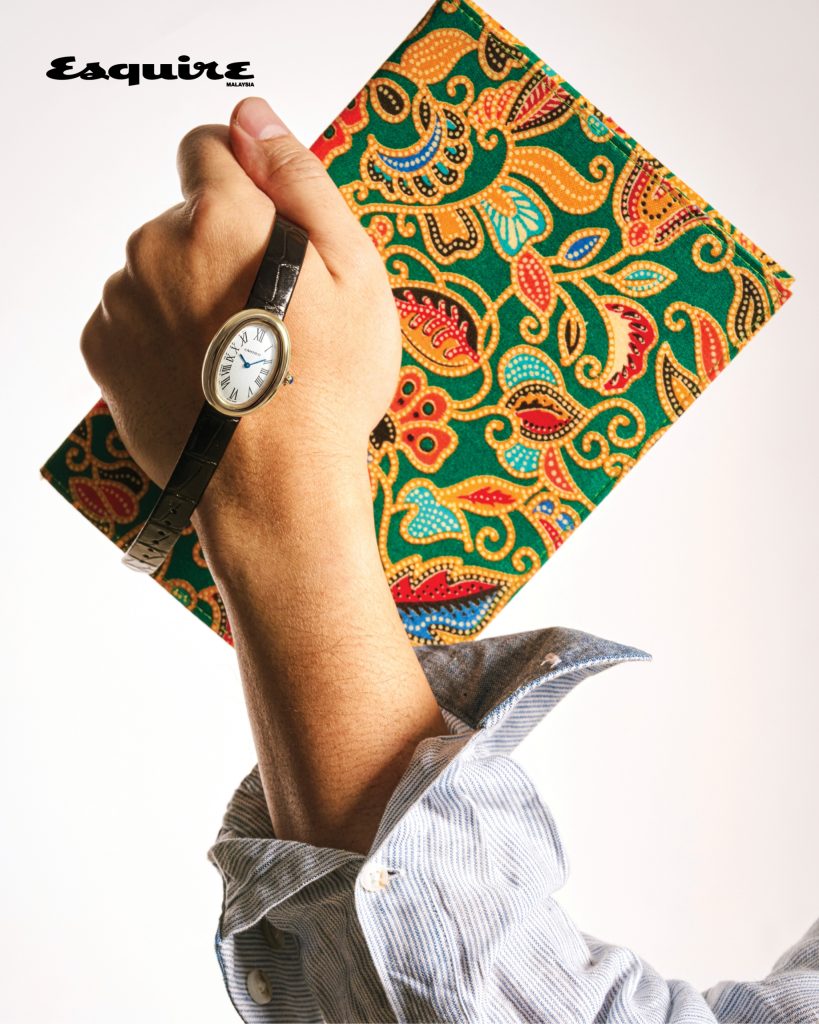
There are few other textile arts that are as distinct as the batik, which is made with wax and dye. Malaysia, Indonesia, and Brunei each have their own recognisable interpretations of batik.
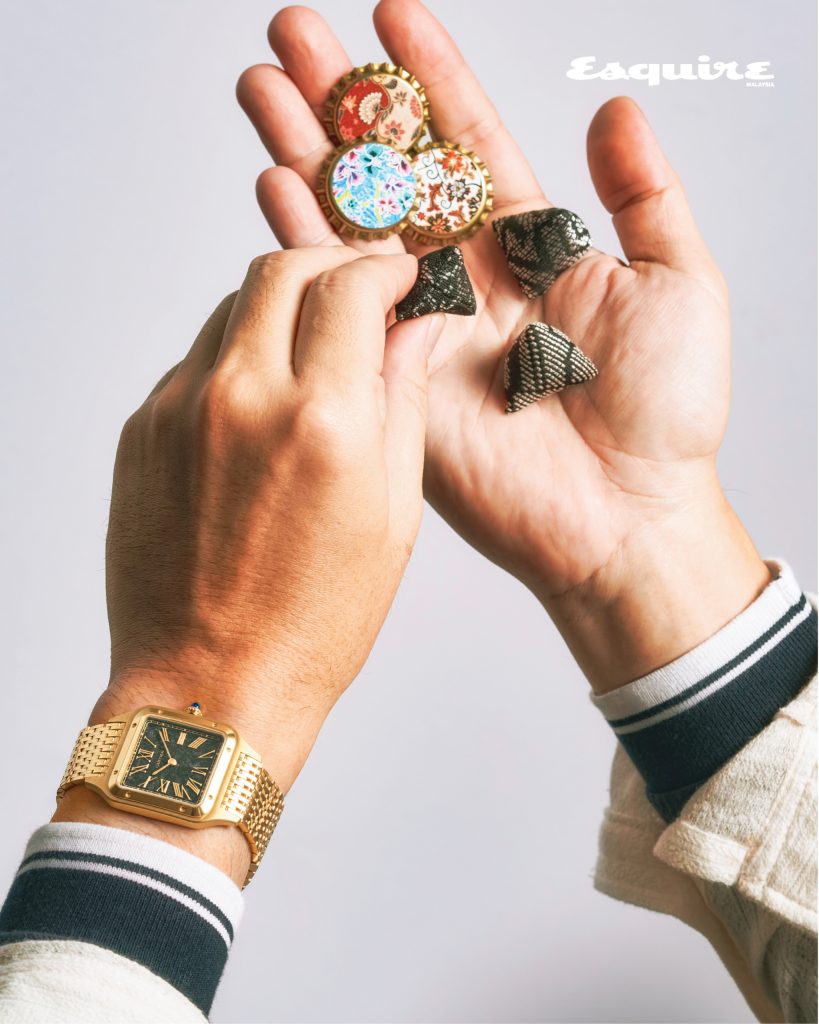
Before the digital age, children in Malaysia used to pass their time with Batu Seremban or bottlecaps, each requiring unique skillsets and hand- eye coordination.
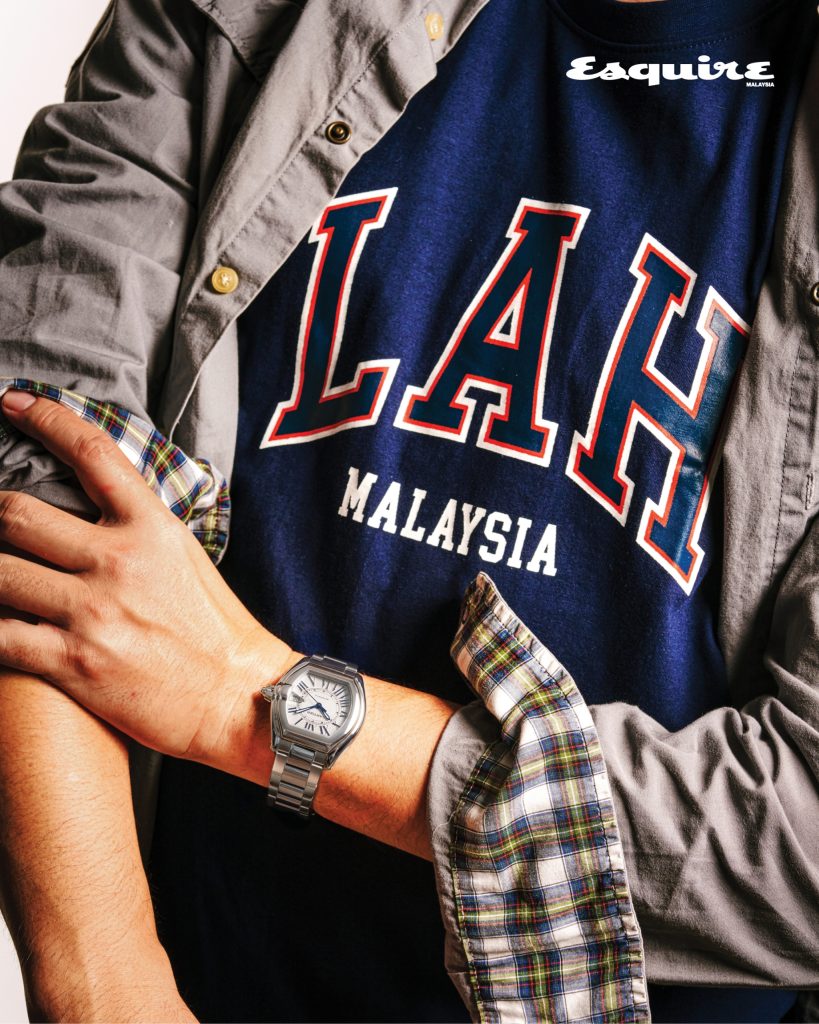
‘Lah’ is a particle that is often used for emphasis, but can also mean so many other things, depending on your delivery. There are few emotions or situations that this truly Malaysian (okay, and also Singaporean) word cannot handle.
Photography: Li @ Helli
Photography Assistant: Hal Yip
Styling, Coordination & Art Direction: Sarah Saw

Esquire Malaysia
©2026, Heart Media Pte Ltd
