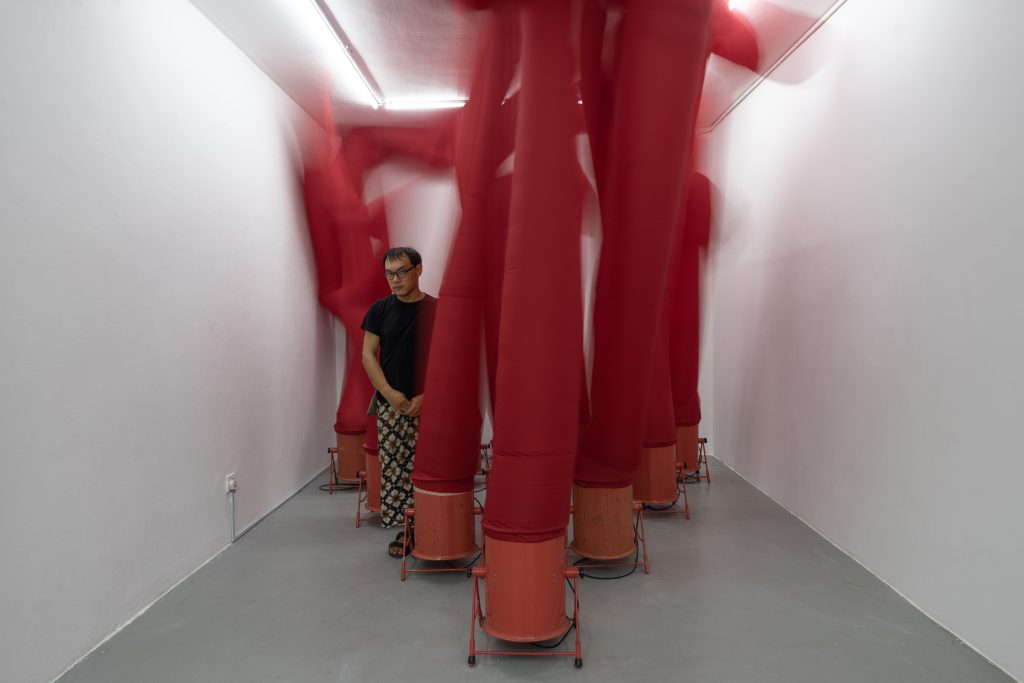
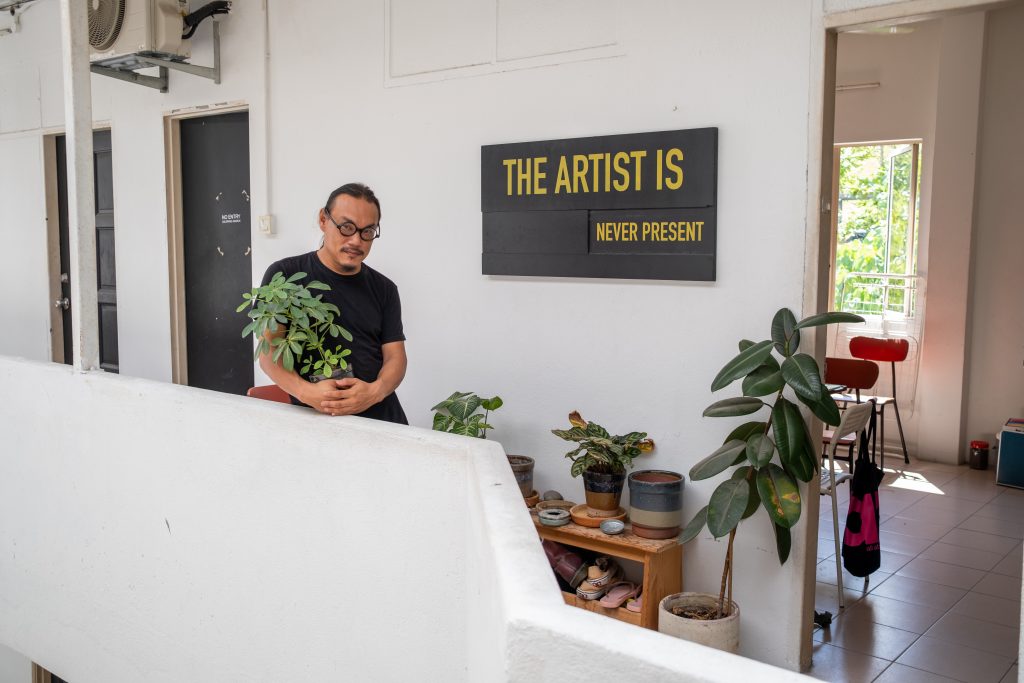
Perhaps the most appropriate word to encapsulate chi too—artist, activist, cultural worker, and my dear friend—is amateur. Here I invoke the older etymological meaning of ‘amateur’: an individual who practices an activity with great pleasure and passion. With love.
chi too passed away in his Kuala Terengganu home in the early hours of 8 March 2026, aged 44. His full name was Too Chee Hung, but almost everyone knew him as chi too, self-styled in lowercase.
As the news of his death circulated, my social media was overtaken by photos, memories and conjurings of chi too. Reeling with shock and disbelief, friends, collaborators and colleagues from diverse circles gathered to pay final respects at a goodbye party at the Zhongshan Building, and at chi too’s wake and funeral.
We shared tears, laughter, remembrances. As we collectively struggled to process his death, several of us staggered about, half-expecting chi too to pop around the corner in his trademark sarong and slippers. Perhaps he’d declare this to be his latest performative ruse. Such was his seriously playful disposition that this was not beyond the realms of possibility.
Online, the outpouring of moving tributes from people across different fields spoke to his eclectic commitments and curiosities, and the dense intersectionality of his artmaking, activism, allyships, friendships and solidarities. It was obvious how deeply and widely chi too was—and is—loved.
I've known chi too for half my life, since our early 20s. We first met in 2005 and over the next two decades, we would become firm friends, working together intermittently. I recall his warmth and confidence, his easy laugh. We often leaned on each other as sounding boards or bullshit detectors for our individual projects.
We were both born in 1981, the year Mahathir Mohamad became Prime Minister (the first time). The 90s and early 2000s provided a trans/formative backdrop for our generation. It was a time when different social, cultural, political and ideological currents coalesced. The expansion of the Malaysian middle class. The hegemonic entrenchment of neoliberal logics, at home and abroad. The cultural education of indie music and cinema—often experienced via pirated media. The internet. The Reformasi protests. The devastating Asian financial crisis.
For chi too, taking part in demonstrations against the US-led invasion of Iraq in 2003 laid the tracks for a lifelong engagement with activist and civic issues.
As an ally, he staged performances with the Kata Gender collective and contributed to nitiatives at the Annexe Gallery. He served as communications officer at the Malaysian Centre for Constitutionalism and Human Rights, and during that time, he produced artist Mun Kao’s satirical POLITIKO: The Card Game of Malaysian Politics.
He was detained alongside Jules Ong for their journalistic work filming the 2017 Temiar bamboo blockade in Gua Musang. (Legend has it that the Kelantan Forestry Department officials released them because chi too wore them down with a long lecture about the law). He campaigned for former BERSIH chairperson and independent candidate Maria Chin Abdullah’s successful Parliamentary bid in the 2018 general elections.
chi too’s deep sense of social justice can also be witnessed in early video works such as Paradise Bus (2006), Penusah Tana (with Hillary Chiew, 2007), and What Rainforest? (2008). In these, he documented indigenous communities defending their native customary lands and the rainforest against the onslaught of oil palm plantations and illegal logging operations in Papua New Guinea and Sarawak.
In mid-2006, chi too volunteered with Greenpeace at the Global Forest Rescue Station in Papua New Guinea. It was a transformative experience. At 25 years old, it dawned on him that this was what his Mass Communications and Audio Engineering training could be for.These early works distinguished chi too as one of the younger indie filmmakers who focused on documentary and community storytelling. He was also generous with his talents and knowledge, galvanising friends, peers and younger artists in the early days of FreedomFilmFest, Pusat KOMAS, and Filemmakers Anonymous.
From the mid-2000s to early 2010s, parallel to his work in activism, chi too created countless blogs. He documented his photography, haikus, sketches, rants, ramblings, wonderings and wanderings.
He printed clever wordplay t-shirts, and produced small zines of great elegance and emotion. He made funny short films and uploaded many one-take piss take art videos on YouTube.
His interest in civic space began to take on more experimental and satirical dimensions. He staged playful, participatory initiatives such as Main Dengan Rakyat, Everything’s Gonna Be Alright, LePark, The 3rd Pyongyang International Arts Festival in Kuala Lumpur. He organised events with The Best Art Show in the Univers.
He was drawing from and responding to the cultural milieu of flashmobs, protests, occupations of public space, and relational art that could be found in KL during this period.
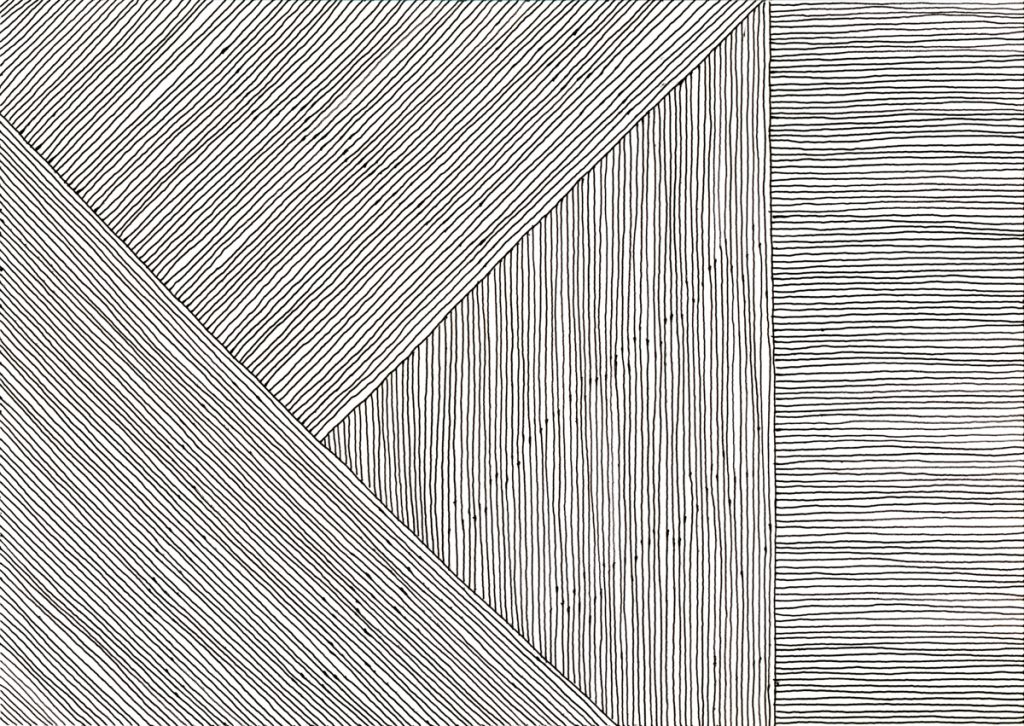
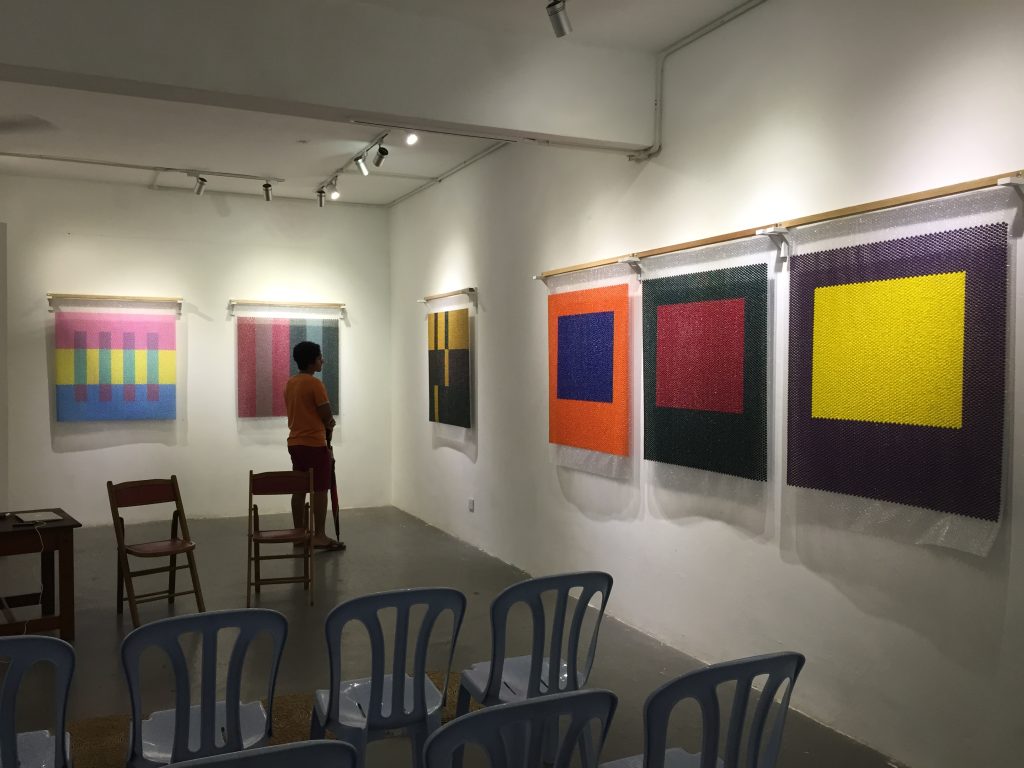
chi too also went about becoming a seriously playful contemporary artist. He made a lot of art—emotional, conceptual, funny, punny, ironic, poetic, obsessive, compulsive, repetitive, iterative, ridiculous, meticulous, courageous, outrageous, painstaking, mind-blowing art. For his series Like Someone In Love (2015), he created paintings by individually injecting thousands of bubble wrap cells with paint.
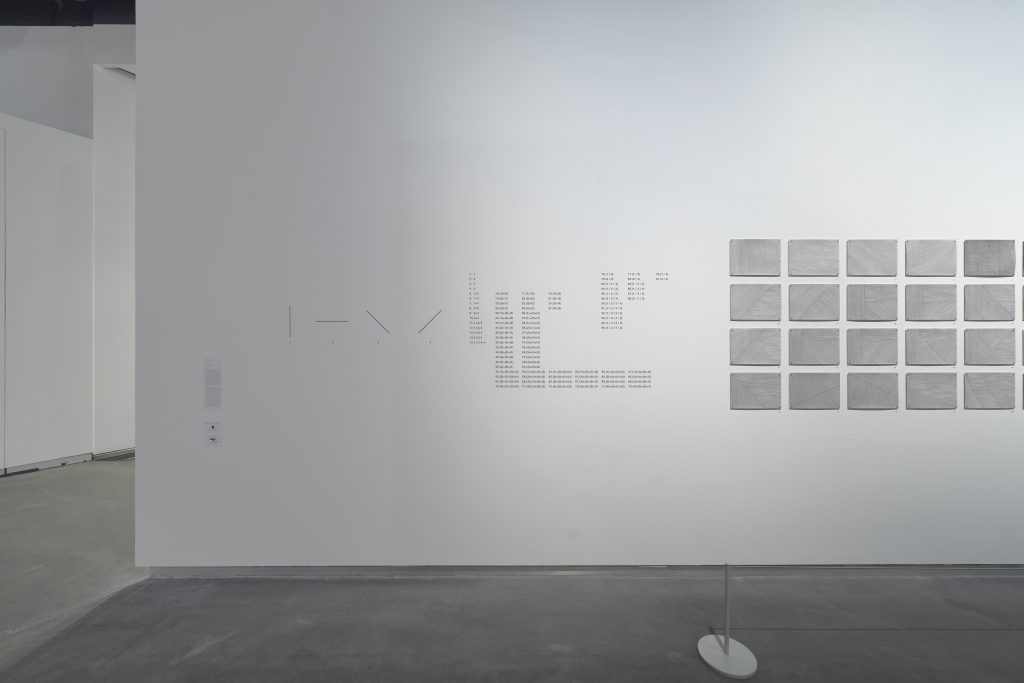
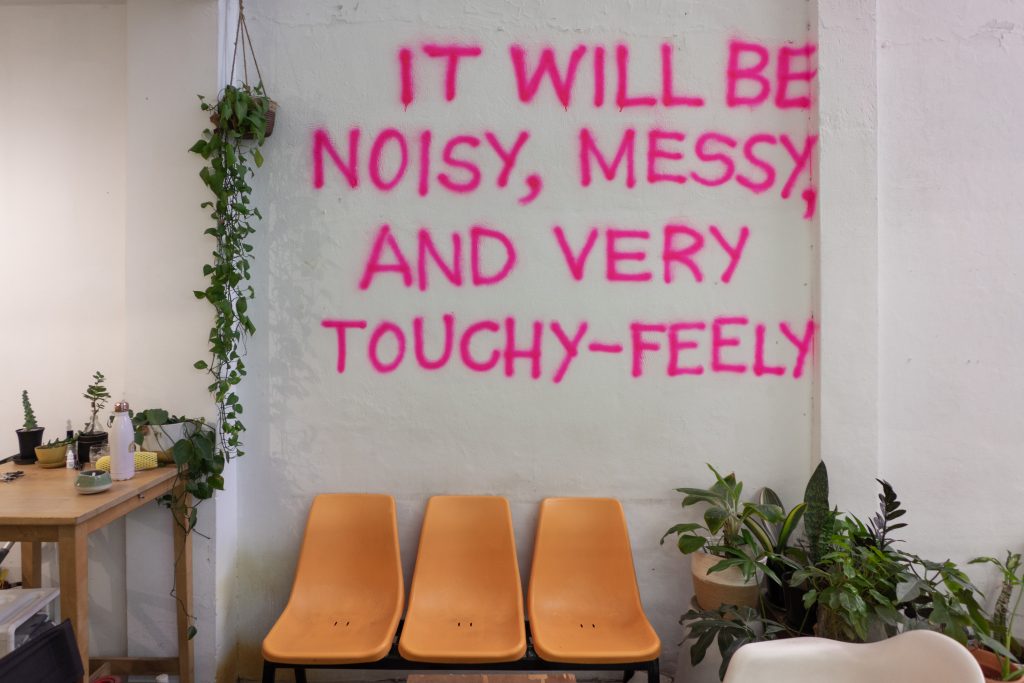
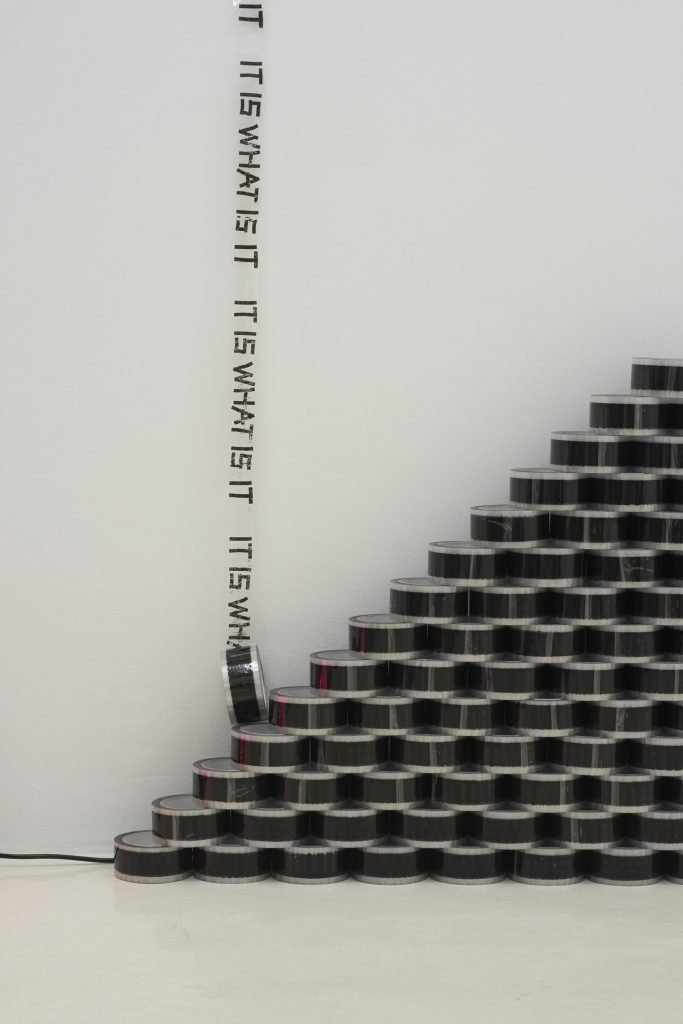
He held 10 solo exhibitions across 15 years. The titles of these shows playfully intimated at the borders between his private, personal and public selves: Longing (2011), The Artist chi too Looks at Artworks As He Contemplates The State Of The Nation’s Institutions a.k.a. How Can You Be Sure (2013), Like Someone In Love (2015), Sometimes When We Touch (2018), It Will Be Noisy, Messy, and Very Touchy Feely (2022), A Sea of Despair and Delight (2023), It is what is it: chi too and his stupid ideas (2024).
His work was presented in group exhibitions across Malaysia, Indonesia, Singapore, Hong Kong, Taiwan and Japan. In 2018, I invited chi too to participate in The Breathing of Maps, an exhibition I co-curated with Kumiko Idaka at the Yamaguchi Center for Arts and Media. We presented his Cut Grass Piece and pika-boo installation, which included artifacts, history textbooks, and documentation of his performances and attempts to initiate dialogue in Japan on the subject of Japanese imperialism, World War 2, and the atomic bombing of Hiroshima and Nagasaki. They were not easy works to present, but chi too was very happy at the opportunity to exhibit them at a leading arts institution in Japan.
In 2022, chi too was included in Prime – Art's Next Generation, a Phaidon publication compiling "the most exciting rising stars in contemporary art", featuring 107 artists born since 1980. This recognition was a source of great personal pride for him.
chi too took work very seriously. He drew great satisfaction in being of service to others. This came from a deep and ethical appreciation of labour, of working with your hands; something he absorbed from the indigenous communities, village craft makers and coastal communities he worked with.
He was always restless, itchy to learn, teach, share. A real busybody—in all senses of the term. He learned to be a skilled carpenter, baker, bartender, wau-maker. He joined the team at ILHAM Gallery, and was integral to the community at the Zhongshan Building. He quietly became a sifu project manager and problem solver extraordinaire. I was particularly grateful to be on the receiving end of these skills when we worked together on the palms of y/our hands at ILHAM last year.
Somehow, chi too had the capacity to be part of and in the middle of so many things, without needing to be at the centre of things. So many things exist to take up space. chi too had the understated, underrated ability to make and create space. He was an enabler and an encourager. He radiated courage.
With him, it always felt like you were co-conspirators. As a friend, peer and collaborator, I witnessed chi too relocate himself across different disciplines and fields.
Making his own paths through these many fields did not come without tension or doubt. A bit of imposter syndrome shadowed chi too in the early to mid-2010s. This was something we talked about, and which I recognised in other self-taught artists and gifted autodidacts. He was self-aware, cognisant of the fact that he had fallen out of love and moved away from activism, or filmmaking, or the art world—but he would always find his way back to them. He was, after all, a hopeless romantic.
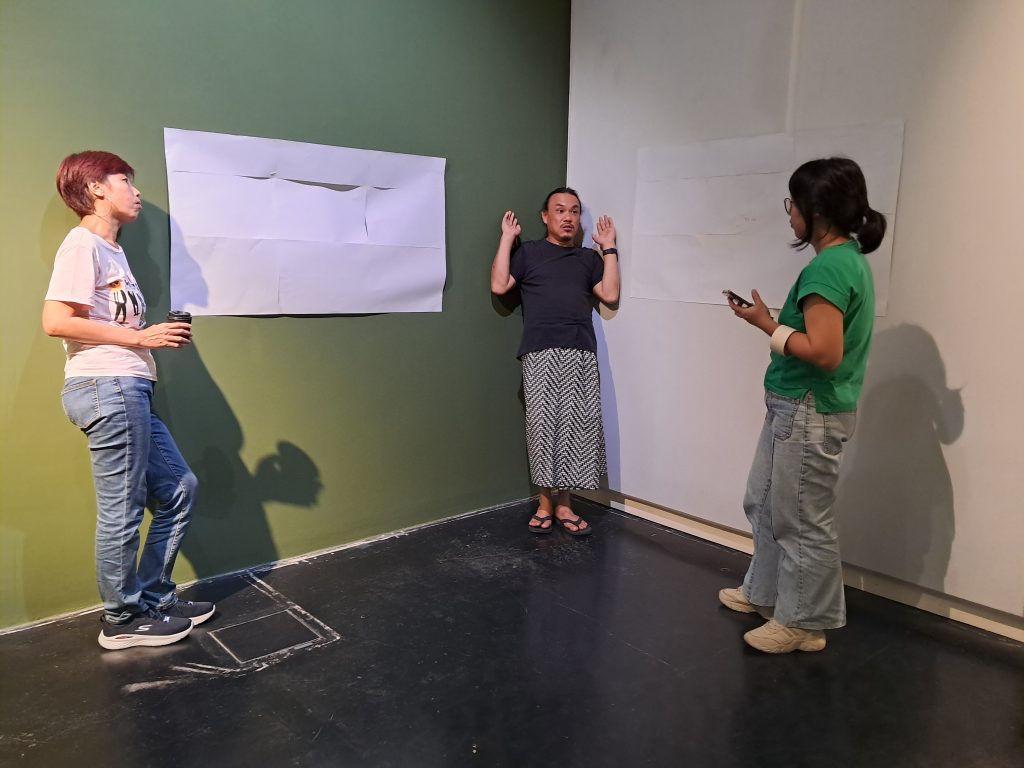
He also loved a good moan or bitch about things. I generally have a low threshold for this, but I loved listening to chi too bitch and moan about things. Very often, it meant he would soon organise something to address what was pissing him off.
He had an enthusiastic if unusual way of championing and vouching for the work of his peers. I recall his Instagram post 10 years ago, giving a nice shoutout to a performance I made about the 1955 Baling Talks. We didn’t allow photos, so chi too posted a picture of the toilet in Five Arts Centre instead. Praising and taking the piss, simultaneously.
I will miss his Uncle grumpiness, his loud laughs and giggles (of the full-bodied, bent-over, thigh-slapping variety). I will miss his sharp intelligence, his brilliance, his originality, his friendship. I will miss being a witness to and for him.
In the past two years, chi too was the happiest I’d ever seen him. He was living in Terengganu with his partner, a life he loved, in a place which brought him much peace and contentment. I saw some of his anxieties melt away. There was a certain exhalation. He was enjoying life, swimming in a sea of delight, facing the monsoon winds.
You've been a true blessing, my beautiful friend. Terima kasih dan tabik.
Mark Teh is a performance maker, curator-researcher, and member Five Arts Centre.
Quotations from chi too are excerpted from his interviews with BFM Radio in 2013 and 2018.
Anna Har, Director of FreedomFilmFest
In the earlier years of FreedomFilmFest, chi too was an invaluable ally. With both technical skill and, more importantly, heart at the core of his work, he contributed to the tireless, behind-the-scenes work of supporting grassroots storytelling through film. He worked closely with community filmmakers, helping them craft narratives from footage shot by first-time filmmakers, ensuring the stories remained true to their voices while making a meaningful impact on audiences.
Liza Ho, founder of the Back Room KL, co-founder of the Zhongshan Building
chi too was a dear friend, artist and partner, so our relationship was never simple, but he always made it work with care and quiet understanding. We respected and enabled one another. He shaped the Zhongshan Building not with rules, but with his spirit: that it is possible to hold both foolish ideas and deep sensibility at once. This is how he approached art too.
Rahel Joseph, Director of ILHAM Gallery
As project/exhibition manager at ILHAM, chi too was the consummate professional, known for his meticulous planning, resourcefulness, and his amazing ability to solve any problem. But more than that, I valued his integrity, his strong sense of principles, and the care he took in every aspect of his work and life. He will always be missed.
Yee I-Lann, Artist
chi too’s superpower was his ability to bring play into any situation, no matter how serious. His almost pedantic, rather oxymoronic, sense of play drew people into his orbit, loosened inhibitions, dismantled walls, and reached for our shared humanity and collective longing for joy—whilst making sharp and poignant commentary and observations. Communities gathered around that energy, generosity and intelligence. Maybe play was a primary medium and tool for the artist chi too. It feels like he was both fortified and given special freedoms enabling him with a rare fearlessness and wit that only chi too, our chisus, could get away with so gloriously.

Esquire Malaysia
©2026, Heart Media Pte Ltd
