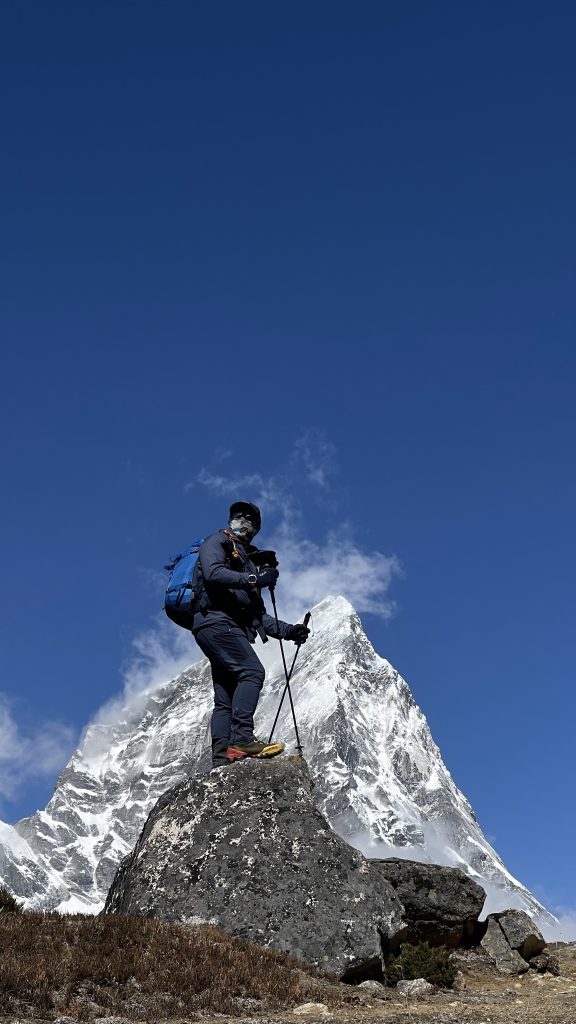
Khafiz Al Kicok is a climber, mountaineer, and adventurer from Pontian, Johor. He graduated from the International Islamic University Malaysia and has been climbing for more than 30 years. This year, he started his 31st year as a climber, having taken it up in 1995.
His Everest dream began in 1997, when the first Malaysians ascended. The same year, he would also make his bid for the great mountain. Over the years, he’s climbed Mount K2, Manaslu, Ledang, Kinabalu and Matterhorn among others.
Khafiz was an accountant before venturing into adventure travel, and then ran his own furniture retail business for 15 years.
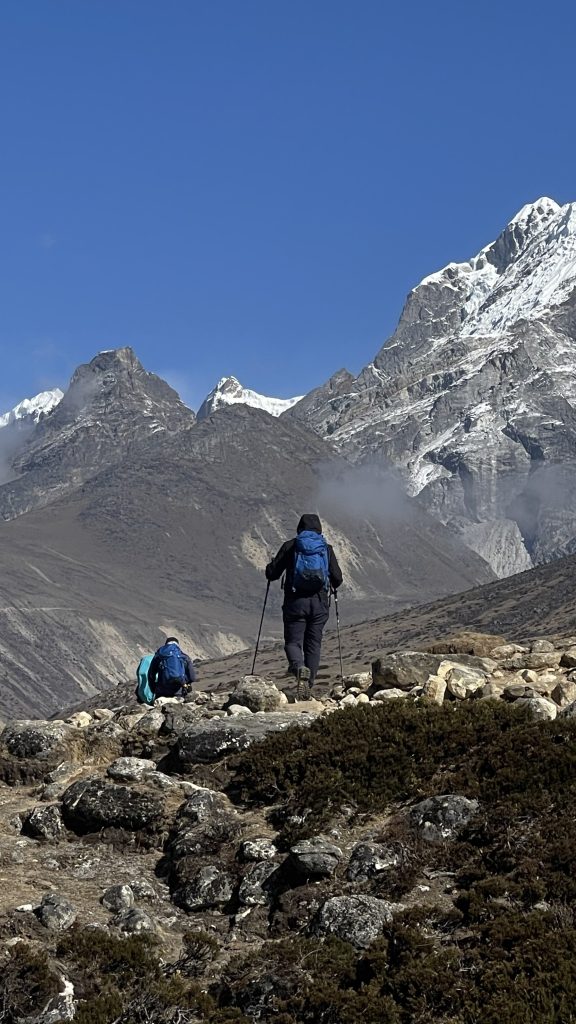
Now, he is working as a Takaful agent, a content creator on YouTube, and an adventure traveller. He’s still driven by the same curiosity that first led him to the mountains. When we interviewed him, he was trekking to Everest Base Camp.
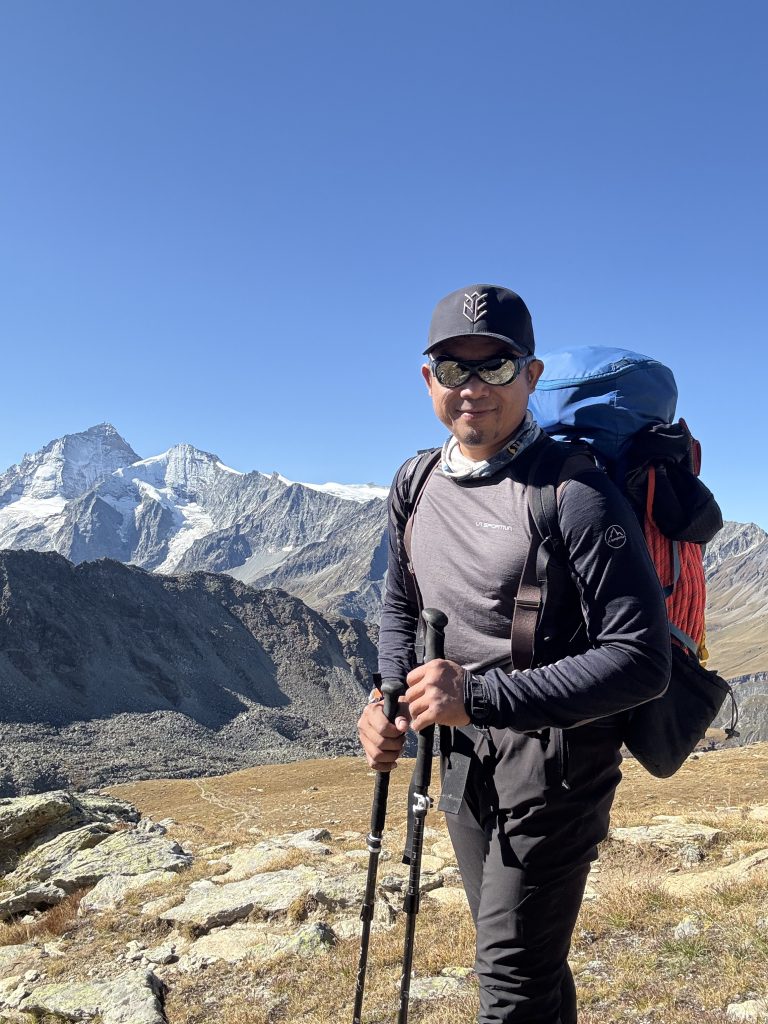
ESQUIRE MALAYSIA: Could you share how long the expedition will last, and when it began?
KHAFIZ AL KICOK: The expedition started on the 4th of April. I’m currently trekking to Everest Base Camp, and expected to arrive on the 16th of April.
From there, I’ll begin the acclimatisation process, which will continue until mid-May. We’re aiming to reach the summit of Everest between the 15th and 20th of May. I’m very excited; it’s about a month away.
ESQ: When you first started your mountaineering journey, how did the people around you respond?
KK: When I started about 30 years ago, I was still in university. I mostly went hiking with friends through the university’s hiking club.
At that time, my family didn’t really know about my hobby because I was staying in a hostel and most of my hiking was with friends.
It wasn’t until I got married in 2003 that my family knew about it. My wife is also a hiker. In fact, she is currently with me trekking to Everest Base Camp. She will return to Malaysia after we reach base camp and climb Island Peak.
Basically, my whole family, my wife and children are all involved in hiking in some way.
ESQ: How did your journey into mountaineering begin, and what was the starting point for you?
KK: In the beginning, I just did a short hike in Malaysia during my university time. During semester breaks, we would do longer hikes and treks, such as Gunung Tahan. We call it the G7, including Gunung Korbu and all of them in Peninsular Malaysia.
After I graduated, I did my first mountain outside of Malaysia in 2007, in Indonesia.
My dream to climb Everest began around 2006, when I started my roadmap and preparations. That was why I started climbing and hiking mountains outside of Malaysia. I started in Indonesia, then moved on to the alpine mountains in Taiwan, which are snow-covered, to gain experience in snowy conditions.
After that, I went to New Zealand, and then to many more countries after that.
ESQ: What was your very first mountain climb, and which peak is your favourite?
KK: My first mountain was Gunung Ledang in 1995. For mountains outside of Malaysia, I started in Indonesia.
Mount Kinabalu has always been my favourite. It’s a beautiful mountain, and it’s our own mountain here in Malaysia. The first time I was on Mount Kinabalu was for my honeymoon in 2003.
ESQ: If you could give advice to your younger self before your first climb, what would it be?
KK: Just go outside and go out. Don’t think too much, be brave.
You don’t have to overthink the risks or everything else, but you do need to prepare yourself.
ESQ: Behind the success, what does preparation look like when no one is watching you train?
KK: It’s been a long and demanding process. I built my fitness foundation through triathlons, including Ironman races, over the past decade. Before the Everest expedition, I completed a 12-month intensive, structured training programme. Beyond fitness, I also had to complete high-altitude training. I’ve been gradually building this since 2006, progressing from 3,000m to 7,000m and eventually reaching my first 8,000 peak in 2022.
ESQ: In your experience, what matters the most when it comes to mountaineering, physical strength or mental endurance?
KK: Experience and knowledge matter most, while the body’s ability to adapt to altitude is critical, and strength comes third.
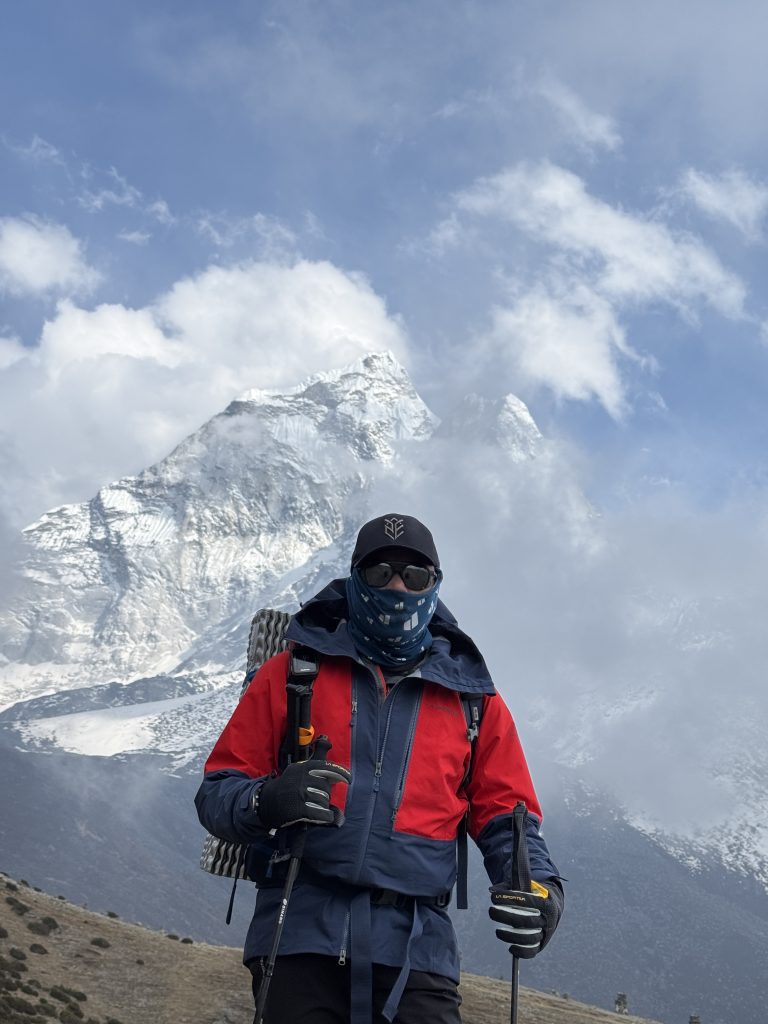
ESQ: Was there ever a moment during an expedition when things felt scary enough that you questioned it or even felt a sense of regret about being on the mountain?
KK: Yes, when I was attempting to climb the Matterhorn in Switzerland.
ESQ: The K2 expedition: beyond achievement, what was that experience really like for you?
KK: It was an incredible journey. I took on K2 without sponsors, and the success was made possible through the support of my friends and family.
ESQ: Despite knowing how risky the journey is, why do you think humans still risk everything to climb high mountains?
KK: It’s part of human nature to seek challenges. For some, it’s golf, fishing, or motorbiking. For others, it’s climbing mountains. These challenges build self-esteem, shape personality, and give life a deeper sense of meaning.
ESQ: Looking ahead, what are your goals both inside and outside of mountaineering?
KK: I want my mountaineering journey to benefit others, not just serve as a personal achievement. I hope it can inspire Malaysians to push their limits and strive to achieve their dreams.
ESQ: After a difficult expedition, how do you process failure or things not going as planned?
KK: I’m a strong believer in God’s plan. Failure isn’t necessarily a bad thing; sometimes it turns out to be what’s best for me.
ESQ: How does mountaineering change the way you relate to everyday, grounded life?
KK: It has changed my perspective; everyday challenges feel more manageable after facing some of the toughest conditions out there.

Esquire Malaysia
©2026, Heart Media Pte Ltd
