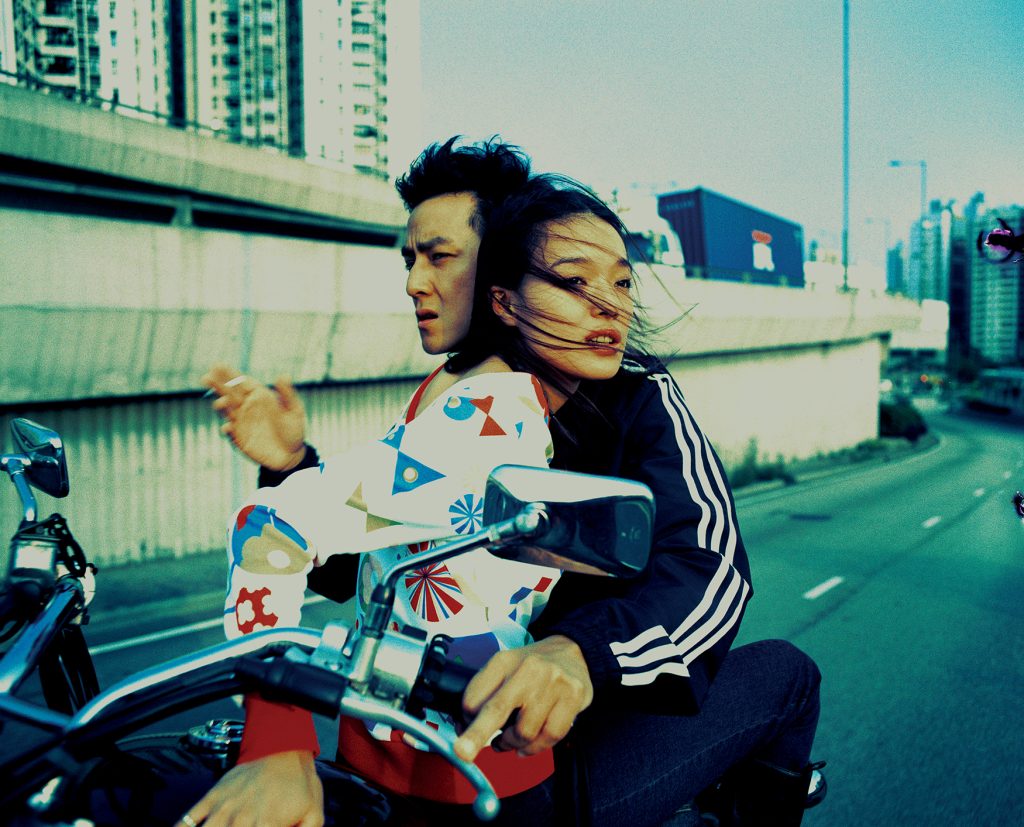
Few photographers have shaped the visual language of cinema and photography quite like Wing Shya. Best known for his long-standing collaboration with Wong Kar Wai, his images have become synonymous with intimacy, emotion and romance (though he might beg to differ).
For Wing Shya, uncertainty has always been part of the process. Decades after creating some of his most celebrated images, he found himself stepping away from everything he knew, embracing a new approach to photography built around a childlike instinct of discovery. Today, he continues to chase the same feeling: walking onto a set without knowing exactly what will happen.
On a rainy day in Petaling Jaya, we sat down with Wing Shya ahead of his Creative Exchange session in Malaysia, where he spoke about creativity, fear, and why letting go might just be the secret to seeing clearly.
ESQUIRE MALAYSIA: When did photography first become something serious for you?
WING SHYA: At the beginning, back in the '90s, I was doing magazine shoots, album covers and posters. But the point where I really started taking photography seriously was around 1995 or 1996, when I began working with Wong Kar Wai.
ESQ: And that was mainly through his films?
WS: No, actually, before working on his films, I was shooting stills on a commercial he directed. It was around 1994 or 1995, for the Japanese brand Takeo Kikuchi. A friend recommended me for the job and said, "Why don't you go on set and document the production?" I think that was the moment I really started taking photography seriously.
Before that, even though I was shooting artists and album covers, I was never photographing the main artist. I was usually assigned the supporting artists instead. It was only after that commercial shoot that I felt like I was finally doing something I could truly take seriously.
ESQ: Your work has such a strong emotional identity. At what point did you feel like you truly found your own visual language?
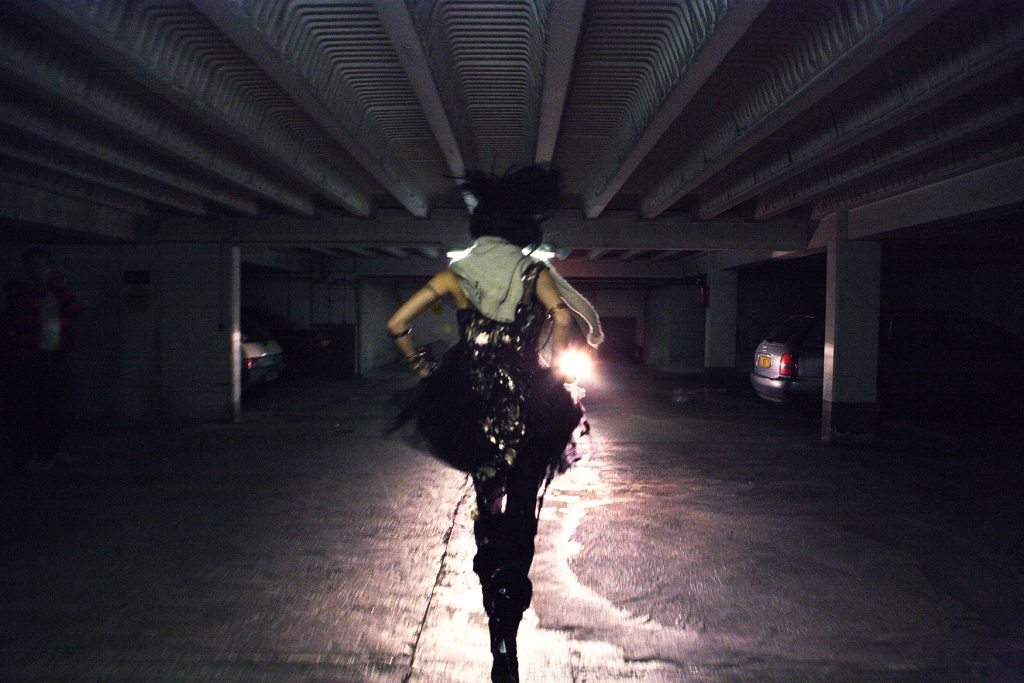
WS: People often say my work has a strong emotional quality, but honestly, I'm not really aware of it. I just shoot in the way that feels most comfortable to me. The circumstances and the atmosphere naturally shape the photos into what they become.
What matters most to me is that everyone feels comfortable. I want the talent to feel comfortable, I want to feel comfortable, and I want the whole set to feel natural. I try to guide people into that state instead of forcing anything.
Maybe it also comes from all those years shooting stills for Wong Kar Wai. I was constantly watching him direct actors into position, so I became used to seeing people in those natural, carefully directed moments. That just became normal to me.
I don't know if it's because of that, or because I spent so much time watching actors inhabit a character and exist in that emotional, cinematic space. Maybe that's why people feel my photos are emotional.
Over time, it all became instinct. It happened very naturally.
Personally, I don't think there's anything especially emotional about my pictures. To me, they just look... normal. They look good. What's so emotional about them?
So it's something I'm not really self-aware of. People tell me my work is emotional, and my reaction is always, "Really?"
ESQ: In a previous interview, you’ve mentioned that artists are selfish by nature — that protecting your instincts is necessary to pursue what feels true to your work. How do you balance that mindset with the realities of turning art into a business and convincing clients?
WS: Are you sure I said that? (laughs)
ESQ: Yeah. It was in an interview in Shanghai.
WS: I must've been drunk. (laughs)
ESQ: So how do you balance being selfish with working with clients and making a business out of your work?
WS: Looking back, I really was selfish when I was younger. But to me, it felt natural.
Whenever you're working on a project, there are always going to be different opinions. And when that happens, of course, you want people to follow your way. If it's a battle of opinions, naturally I want mine to win. So yes, I definitely went through a period where I was quite selfish.
But how do you stay a little selfish while still managing clients and running a business? It's definitely possible.
One way is to brute-force it. Just let it become a battle of egos. Otherwise, you have to find other ways to get the client to follow your direction. There are all kinds of ways to do that. Maybe you tell them, "I'll charge you half the price if you let me do it my way." Or maybe... if you slept with the boss, they'd give you whatever you wanted. (laughs)
What I'm trying to say is that there are many ways to get what you want. By hook or by crook. If you ask me what method I personally used, honestly, I don't even remember anymore.
Even though I was selfish back then, I also knew where my limits were. If the client really wasn't willing to budge, there was no point in pushing forever. I would let it go. I'm not unreasonable.
Through experience, I've definitely become less stubborn. When I was younger, I pushed much harder. Now I'm a bit more relaxed. Sometimes clients just can't see your vision. If they still decide to trust you and go with your direction, then great. If they don't, that's okay too, it's a chance for me to understand what they're trying to achieve. I'm curious about what they like as well.
ESQ: We're in a time where everyone is constantly moodboarding, referencing, and pulling from the same visual culture online. Do you think we'll eventually run out of references? What were references like when you first started?
WS: Actually, if you think about it the other way around, why do we need references in the first place?
At the end of the day, references are mostly for the client's peace of mind. They're a way to communicate your ideas and reassure the client. It's part of the service you provide. But if a client already trusts you, maybe you don't even need to go through that process.
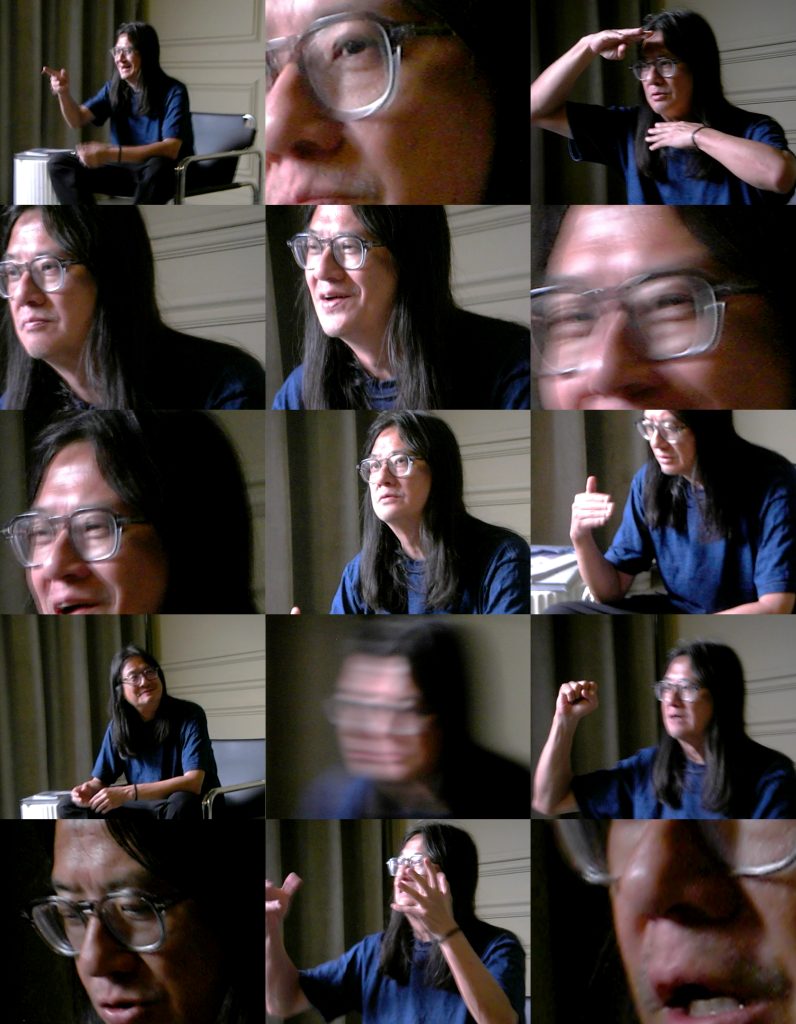
The thing is, references don't guarantee anything. Just because you show someone a reference doesn't mean you can recreate it exactly. Sometimes the image itself isn't even realistic. Sometimes it's impossible because of the weather, the location, or something that happens on set.
Once you understand that references are really just an extra service, you realise there are things that matter much more. What's more important is how you deal with whatever happens during the shoot.
So really, references are there to help sell your ideas to the client.
I still show references when I need to, but I keep them to a minimum. I don't like showing too many because I don't want to overpromise and underdeliver.If I already know there's only one way I want to shoot something, then I'll only show references for that one direction instead of giving lots of different options. I'll also remind the client that it's only a reference. It's simply the closest way I can communicate what's in my head.
I try my best not to mislead people or make promises I can't keep.
These days, when I need references, I often don't even look for existing images online anymore. I draw them myself. (laughs) The drawings are an abomination. I'll just sketch a little figure and say, "The model will be lying here, and the camera will be over there."
I actually think that's a better way to communicate the idea. I'd rather do that than overwhelm people with dozens of references.
Of course, with commercial clients it's different. Agencies usually want as many references as possible because they need to reassure their clients as well. So I try to explain my thinking instead. Or I would try to give them abstract ideas rather than endless images. Of course, I had my fair share of conflict and shouting matches with clients who are a bit hardcore, but we will skip those this time. (laughs)
ESQ: I watched your interview with Edison Chen, where you said that when you first started, you were always afraid. You worried that clients wouldn't like your photos, or that you wouldn't deliver good work. What advice would you give to photographers who are just starting?
WS: I'm still scared now. (laughs) So I don't even know if I'm qualified to give any advice.
ESQ: Why are you still scared?
WS: I actually think being scared before a shoot is a good thing. It means you care.
I didn't sleep last night because I was thinking about a shoot. I still hadn't figured out how I wanted to approach it, so I kept thinking about it over and over until I couldn't sleep. I was anxious the whole night.
So for me, the version of myself that's afraid... he's actually a very close friend. I still want to see that friend. I still want to keep doing this work. I still want to rack my brain over ideas. I still want those sleepless nights. I don't ever want to reach a point where I'm no longer scared.
So I don't think fear is a negative thing.
It's completely normal to be afraid. Maybe if you're really rich, you won't be scared anymore. (laughs) But otherwise, don't see it as something bad.
My daughter is an artist too. Whenever she's drawing, she gets very anxious. I would always tell her the same thing. Don't think of anxiety as something negative.
Even now, if you asked me to walk onto a set, I'd still be scared. If I look calm and collected, I'm just acting. (laughs)
ESQ: I was nervous doing this interview too.
WS: Don't be scared! (laughs)
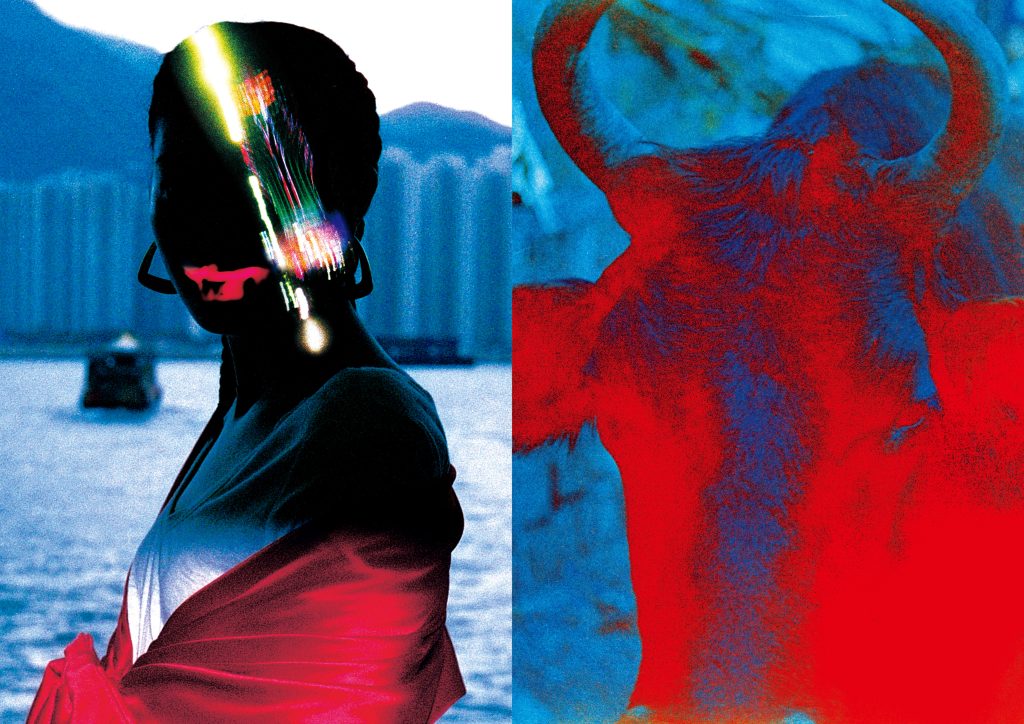
ESQ: What are you interested in creatively these days? Is there still a medium or creative territory you haven't fully explored?
WS: I'm actually quite a passive person. I'm the type who follows instructions. If someone asks me to shoot A, then I'll shoot A. They arrange it, and I execute it.
Because of that, a lot of the work that comes to me still feels fresh. You could say the projects just find their way to me.
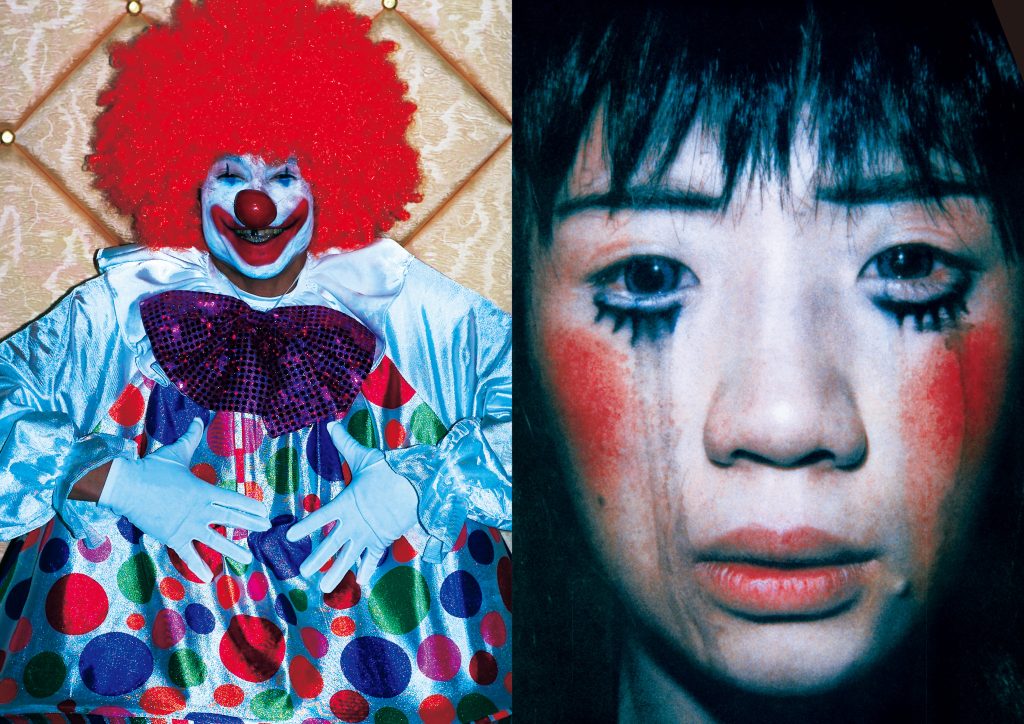
But over the past few years, I've really been enjoying approaching work in a much more carefree way. I don't plan my shoots anymore. I'm still scared, but I don't plan. I just walk in almost blind. That's the mindset I've been experimenting with recently.
For example, I recently photographed a Japanese musician's live show, and I also did a shoot with Tilda Swinton. I didn't really plan either of those. I only started thinking once I arrived on set.
That moment, when I'm forced to respond to what's right in front of me, is incredibly exciting. I guess the anxiety becomes excitement.
To me, that's the most enjoyable part. I get to play.
So now I walk into shoots with a much more open and adventurous mindset. Even if I'm shooting a wedding, I approach it that way. If I'm doing a fashion editorial, I approach it the same way. I don't plan every shot beforehand. I discover the pictures while I'm there.I think that's incredibly fun.
Of course, there are still jobs where planning is necessary. I'm not saying I never plan. But once the planning is done, I try to forget about it.
I have upcoming film projects, exhibitions, and books, but I don't really think of those as "jobs." I just make them however I feel like making them.
Compared to how I used to work, I enjoy this approach much more. I'm not exploring a new medium. I'm exploring a new attitude. It's not a new method that I invented. It's just new for me. I'm exploring what it feels like... not to care so much. (laughs) That's what's exciting.
Because when you make plans, you're planning for something you haven't actually seen yet. You're trying to predict an outcome. Once you're standing there in real life, the plan usually has to change anyway.
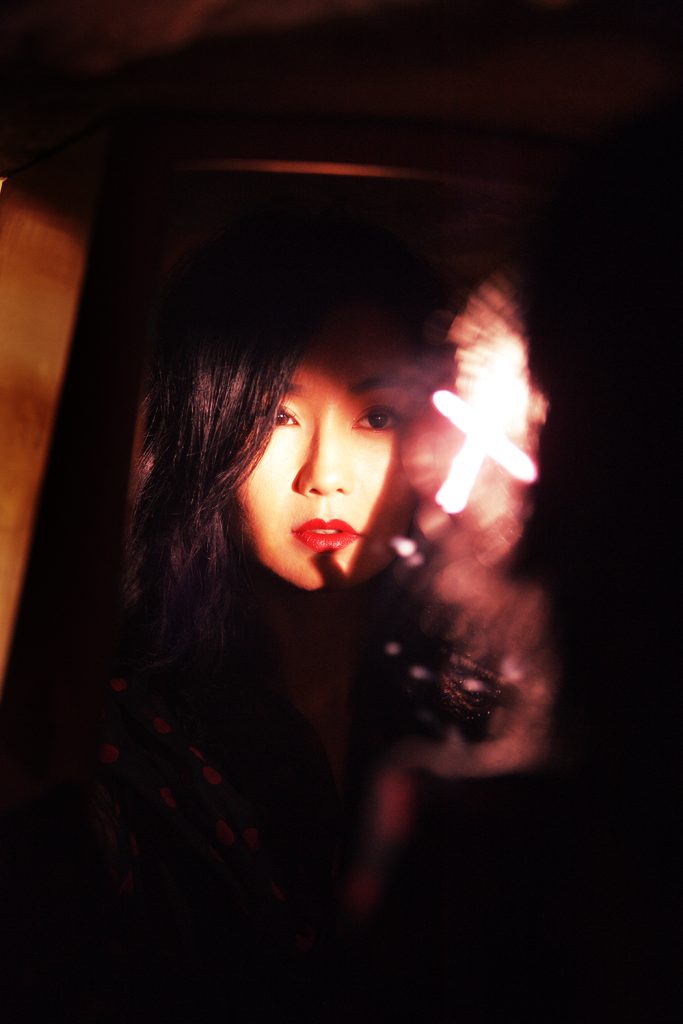
ESQ: Your work with Wong Kar Wai has become iconic. How do you feel when you look back on it now?
WS: The first film I worked on with Wong Kar Wai was also the time I was most afraid. Back then, I really didn't know very much. When I look back at those photographs now, I see someone who was anxious, inexperienced and uncertain.
But I also think that was the purest version of myself. Nothing was calculated. Nothing was overly precise.
As time went on, my photographs became more and more accurate. I could predict the frame. I could predict the moment. I knew what the final image would look like before I even pressed the shutter.
Ironically, when I look back now, it's those earlier photographs, the ones where I couldn't predict everything, that I like the most. Because when you're uncertain, you're still searching. And searching is a very innocent thing.
Once you become experienced, it's difficult to return to that state. It's difficult to recreate that feeling of not knowing. That's why, these days, I try to forget. Or maybe "let go" is a better way to describe it.
I don't want every new shoot to be weighed down by all the shoots I've done before. I want to discover the pictures in the moment. I don't like planning too much anymore.
Sometimes even my crew has no idea what we're going to do. We just arrive on set first and figure it out together.
For me, that's the closest I can get to returning to that innocent state of exploration. It's the only way I know how.
Even for this interview, I deliberately didn't read your questions beforehand. If I had, maybe I would've prepared stories that sounded better, or exaggerated certain things for dramatic effect. I wanted my answers to come naturally.
I remember one project with a Japanese singer. He had hired eight photographers to cover eight different stops on his concert tour, and I was responsible for the Hong Kong show.
Before the concert, I told my friends, "Since there are eight photographers, I don't need to worry about getting all the safe shots." I could experiment a little.
During rehearsals, I noticed something. At the end of every song, when the spotlight faded, his expression changed completely. The emotion on his face in that split second was incredibly sexy. I immediately asked my assistant to switch to a longer lens. For the rest of the concert, I chased only that moment. Every time the lights went out, I waited for that expression.
That was the only thing I wanted to photograph. In that moment, I felt like a child again. I had stumbled across something beautiful, and I just wanted to keep following it. If I had planned everything beforehand, I probably never would've discovered that moment.
That's why I still remember that shoot so vividly.
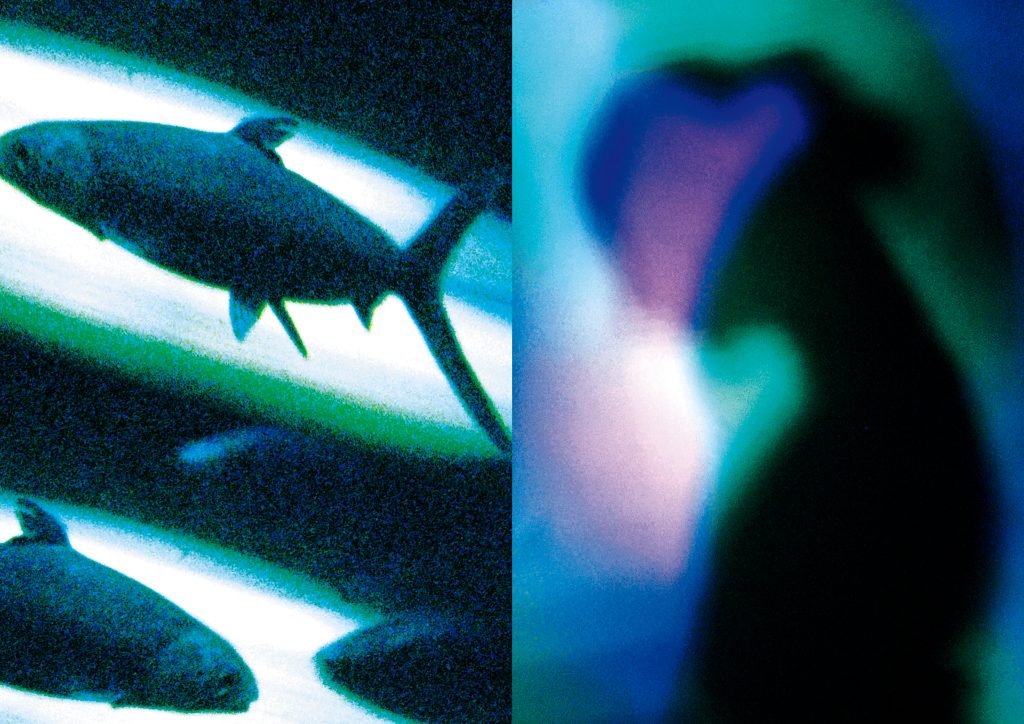
ESQ: For photographers who meticulously plan every detail of a shoot, how does your approach differ? What do you think gets lost in the process?
WS: I think both approaches have their own strengths.
When everything is planned, everyone knows exactly what they're supposed to do once they arrive on set. The crew knows the setup, the talent knows where to stand and what pose to hit. Everything runs smoothly.
I used to work like that too. I would plan everything in advance. I'd even draw out every shot in detail. But now I ask myself, is that really all there is? If everything is already decided before I even arrive, then where's the room to discover something new?
That's why I don't like planning too much anymore. I want to explore the possibilities. I want to stay a little ignorant. I think part of the excitement comes from not knowing what's going to happen. If everything is locked in beforehand, maybe you'll finish the shoot earlier. But you'll lose the fun.
For me, the most exciting part is not knowing what the final outcome will be.
People often ask me, "What are we shooting tomorrow?" And I'll say, "I don't know." (laughs) "I'll let you know tomorrow." (laughs) That's the fun part.
But I also think it takes courage to work this way. Planning is actually the easier option. Not planning is the challenge.
Sometimes the people involved don't understand what I'm trying to do, even after I've explained it. And in the end, I still have to satisfy them. Sometimes it feels like I've had to give in. Because I genuinely have ideas I want to try. Why can’t we just try them together? Worst case, if you don't like them afterwards, then don't use them.
But some people are very rigid. Everything has to be precise to them. They want the model's pose to match exactly what was planned, turning them into a machine.
ESQ: These days I'm involved in a lot of shoots and productions as part of my job. I actually like planning everything in advance, but maybe next time I'll try your approach of not planning so much.
WS: (laughs) Don't do that because of me. You might get into a shouting match with your client like me, and they’ll go like, "Fuck you!" (laughs)
ESQ: How do you think you've changed as an artist over time?
WS: I don't really see myself as an artist. I just do whatever I enjoy. I do whatever feels interesting. What has really changed is my way of working.
Besides planning less, I also try not to hold on to my previous shoots. I go to work with a fresh mind, and when the job is finished, I let it go. In the past, I used to think about every shoot afterwards. I'd replay everything in my head and reflect on it.
Now I don't really want to do that anymore. I'd rather let it go. I think it's actually a pretty good way to work. I enjoy walking onto every set feeling like I'm starting from zero. Like every shoot is a reset.
I don't think I was this fearless when I was younger. (laughs)
ESQ: When did this change happen?
WS: A few years ago, around the time COVID happened. There was actually a period when I stopped taking photographs altogether. I took a break. I disappeared into the forest for a while, almost like becoming a hermit.
During that time, I kept asking myself, "I've already tried everything. So why can't I find the joy in photography anymore?"
Eventually I thought… Maybe I should throw everything away. Start over.
Throw away all my assumptions about how a shoot is supposed to work. The assumptions about clients. The assumptions about the process. All the things I'd accepted as normal over the years.
Slowly I realised… Those things aren't rules. We just assume that's how a shoot has to be. We assume that's the only way.
But actually, there are many different ways to work. You can change those assumptions. You don't have to simply accept the way things are. I can be honest with clients and tell them I don't want to provide endless references. The most important thing is whether I'm enjoying myself.
But has this new approach made my photographs better? Honestly...
I don't know. But I do know that working has become much more enjoyable. I think that's what change really is. I've also let go of the idea that the final photograph was everything. Life or death.
Now… I finish the shoot, and I let it go. Just take the picture and move on.
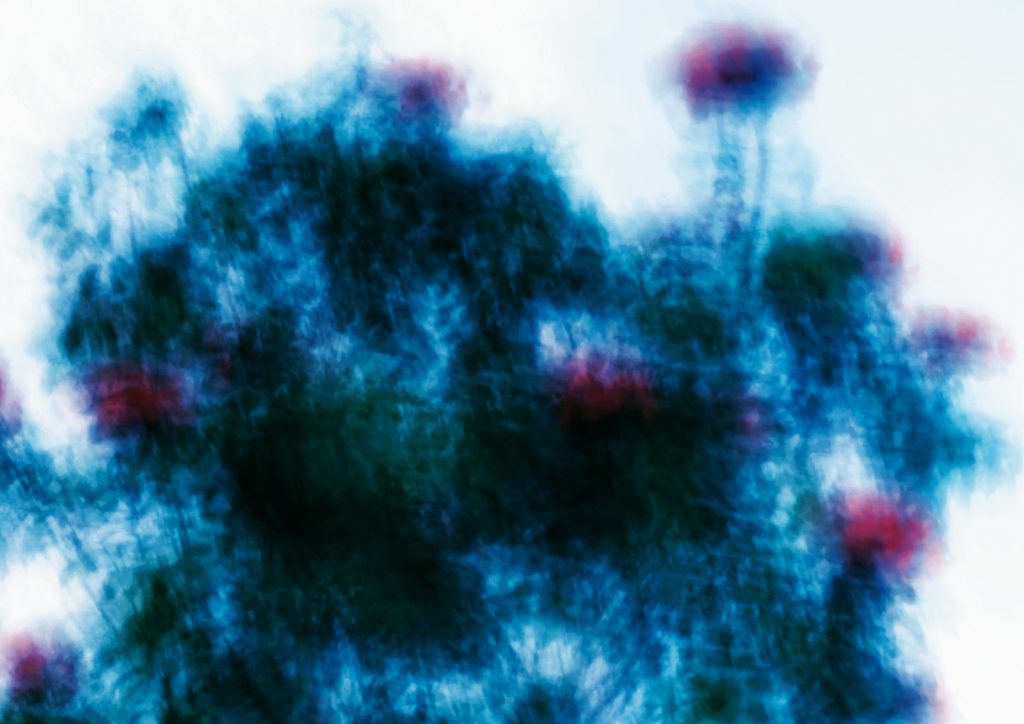
An additional conversation with Wing Shya, exclusively for Esquire Malaysia online.
ESQ: I think we got it.
WS: Well, let me ask you something. Since you work with Esquire, who are your clients? Are they brands?
ESQ: Yeah, brands.
WS: Then when you work with these brands, if you listen too much to what the client wants, doesn’t it become very commercial?
ESQ: Yeah, sometimes it can be that way. But we try our best to balance it and make sure our book doesn’t look too commercial.
WS: I’m sure they also like more commercial work, and if they’re your clients, you have to consider what they want. But the most fun part about editorial is being able to shoot campaigns in a non-commercial way.
If you keep the commercial images, readers can tell at a glance that you bought the pages. The illusion is shattered, or maybe it was never there in the first place. When I was younger, I used to buy a lot of fashion magazines from newsstands because there was so much creative inspiration in the non-commercial campaigns. That was where you could express your ideas the most.
But nowadays, I feel like people buy magazines because of who is on the cover.
I think brands naturally think about how to be more commercial to make more money and to sell more. But sometimes, I think being creative and experimental can also be a way to sell.
I have conversations with my friends about shoots where we ask, “Why does the shirt have to be perfectly smooth and pressed?” The shirt is worn on a model’s body, and it’s the creases and imperfections that give it soul. Clients may think the identity of the shirt gets lost in the image, but I think what readers actually buy into is the character wearing the shirt, not just the shirt itself.
If you want to see a perfect shirt with no creases and every detail highlighted, go look at it at the store. Look at it in the catalogue.
But recently I feel like there are some clients who are more open to ideas, and sometimes it’s up to us to spark something in them. Sometimes I can’t help myself; I just want to play and experiment. If everyone is scared and no one speaks up about their ideas, then it's up to me not to hold back.

Esquire Malaysia
©2026, Heart Media Pte Ltd
