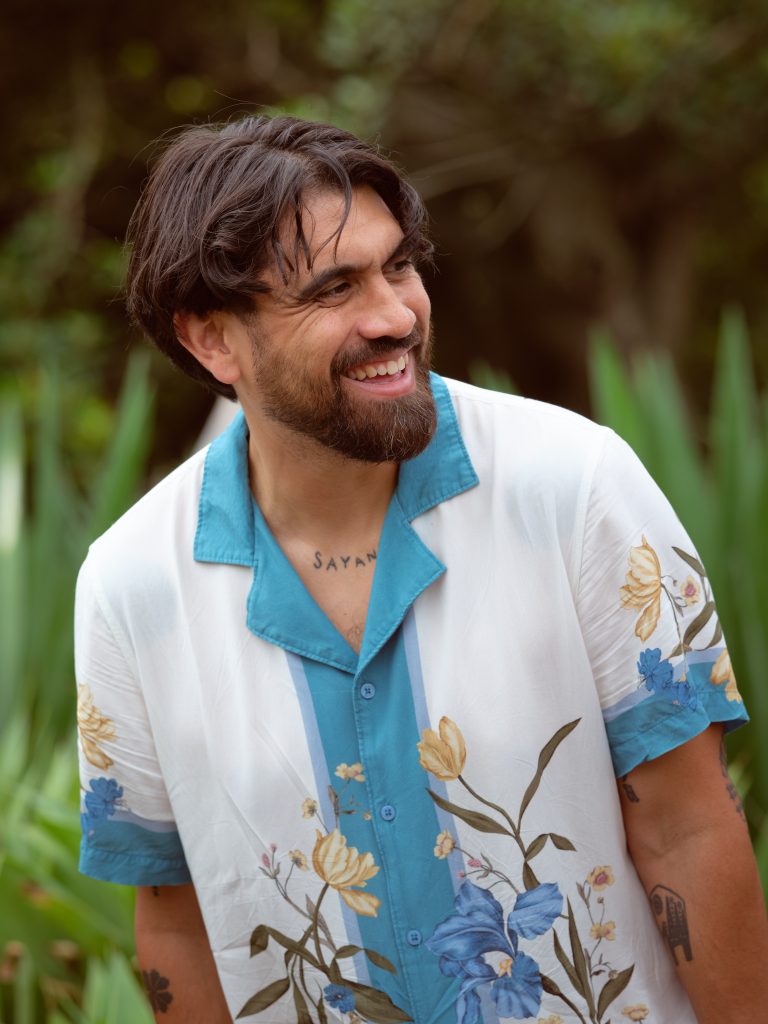
Honouring Esquire's tradition of publishing culture and literature, How I Wrote It is a monthly series that puts the writing process front and centre. Each edition invites a writer to speak plainly about how a specific piece of work came together.
This issue features Omar Musa reflecting on the making of Fierceland. It marks his long-awaited return to fiction, more than a decade after his debut novel. Musa walks us through how it came together, his writing routine at the time, and the research that shaped it. He also reflects on questions of power, land, and belonging.
I AM FOREST –
unstitch my mist, open me inside-out, bare my rivers to
moon & matahari,
mud-gravy & gizzard stones, steeple my long luminous bones &
carnal green – the unseen seen – green is God naming itself, green is
the sprawl, rot & fern-tickle of time – my steaming velvet a sprung
floor for trickster tango – orang, hutan, orang-utan, mousedeer,
leopard, vampire ghost – black loam & clay blue-grey, sequinned by
skulls, I wear my sapblooded heart on sleeve – slink, snuffle, snout,
snot – gabble, growl, fart, wheeeeeze – kiss mangrove mouth, lick
tendril tongue, jujitsu rhizome & root, silat smoke, substrate slang in
lightning bolts – – mushrooms festoon my shadows – bloop bloop bloop! –
weave birdsong with smoke where the canopy fallows – chant bul
bul, kingfisher, hornbill, eaglet, egret, owl – hoot hoot hoot! – chant
falling fruit – duku, tarap, bambangan, mangosteen, langsat, red
durian – chant trillion-fold feet – centipede, cik cak, crab cadenza –
chant inflorescent flames – orchid, begonia, pitcher plant, corpse
flower, lily, bunga kantan – now chant rain – rain rain rain – in many
names – hujan darun uran dasum rasam moris-poris – milk from
the udder of a drunkard cloud, falling sheet of needles & mercury
grenades – chant long fathomless days – languor, langur,
langsuir, language & all its bastard kids – now blend my borders with
the edge of your thumb, may maps overlap, make drums from my
hollows & hallow my sap, loop vine into noose or bubu trap, read
murder in my burl & bole, rejoice in my riddles & rank rejuvenation,
I give birth to myself, I devour myself, I am eternally starving – so feed
me floods & feed me fires – or maybe just a man will do! – oh feed me
the wraiths that are tormenting you.
I am forest. I am forest.
Face your fears & name where you find me – North Borneo –
spell it in emeralds & magma.
Now name a year – 1998 –
polish it like black volcanic glass.
Let us dally no more, sayang. Let us name this thing a ghost story –
ya, the games begin here.
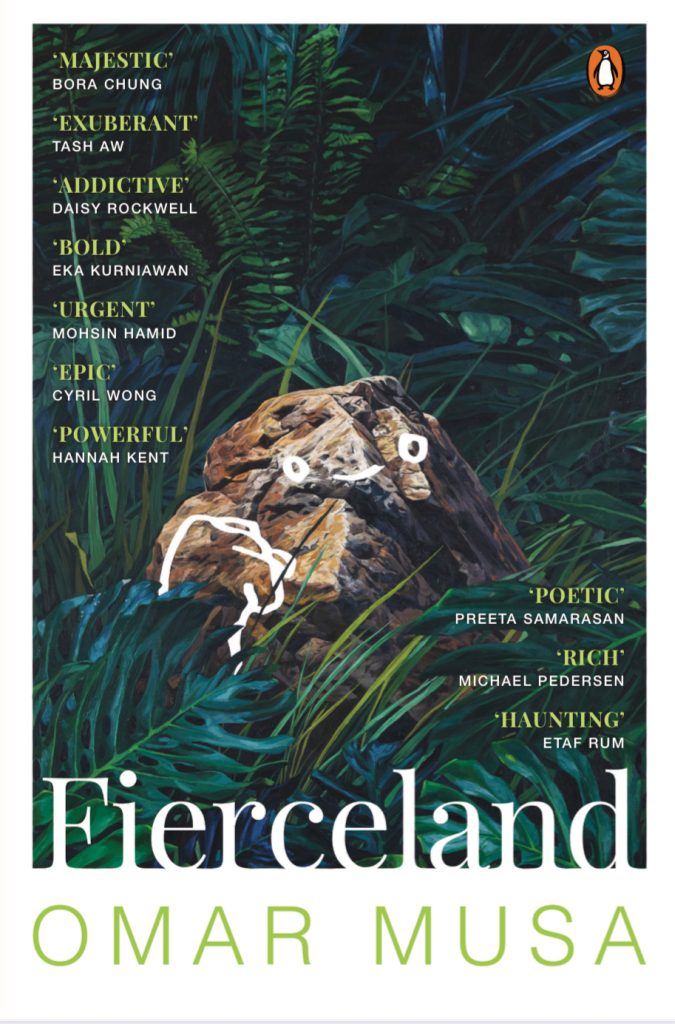
I signed a book deal for what became Fierceland about 11 years ago. My first novel dealt so strongly with Australian issues, and at the time, I felt so spent. I wanted to turn my gaze towards my origins, but I wasn’t sure what my next book would be. At first, I thought maybe I would write a seafaring novel, something about borderlessness, the ocean, migration, and exile.
Then, I became interested in a particular dynamic that I noticed. I would meet a lot of Southeast Asians who were very Western-educated and environmentally conscious. But once you scratch the surface, their parents had often been involved in an extremely exploitative industry, like logging or mining. I found that really, really interesting.
So, I guess that was the origin of the book, scratching beneath the surface of those complicated issues through the lens of a family.
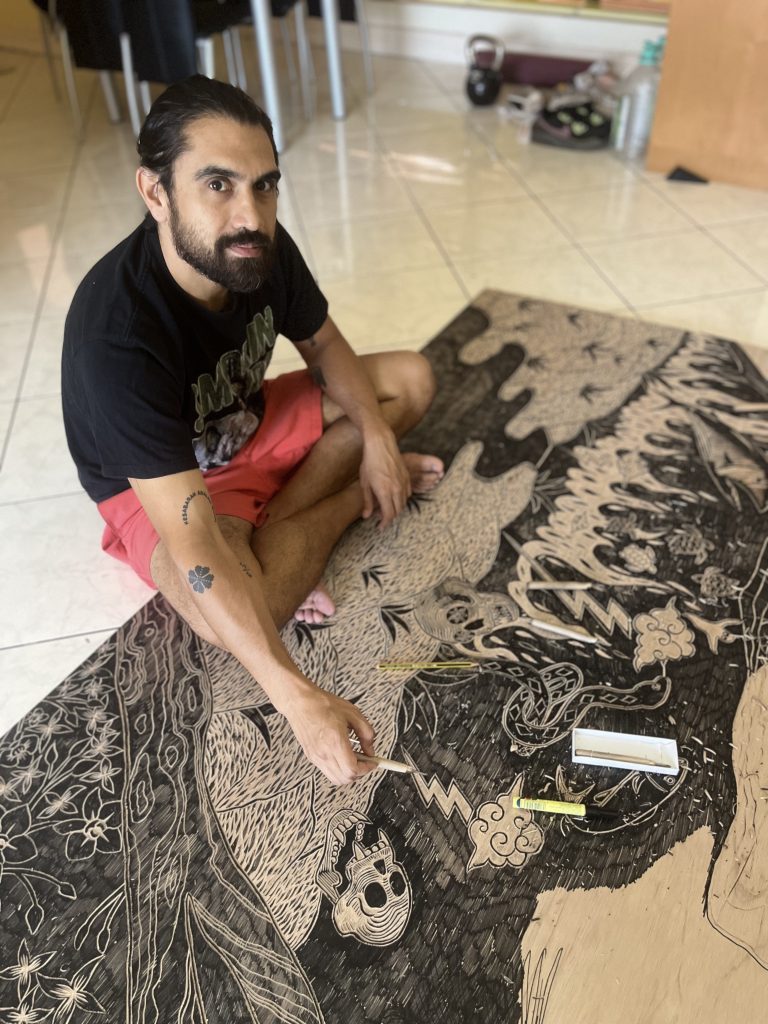
Roz was definitely the first character I wrote about, and her relationship with her father, Yusuf. Early in the draft, he was a well-meaning man, trapped between cultures, and buffeted by the winds of history. But then, I started thinking, What if he is a very powerful man? What if he is able to shape history and bend it to his will? And what if Roz is trying to reconcile with that unscrupulous father when he’s already dead? In a way, she’s trying to reconcile with his ghost.
Orhan Pamuk, the great Turkish writer and Nobel Prize laureate, talks about how the writer should be the captain of a ship. They should know exactly where they're starting and where they'll end up. I’m more like a captain sailing into a storm with no map or compass. I'm the type of writer who flies in the dark. I ask very simple questions: What does Roz look like, what does she sound like, how would she respond to criticism? Slowly, and painfully, the world builds itself.
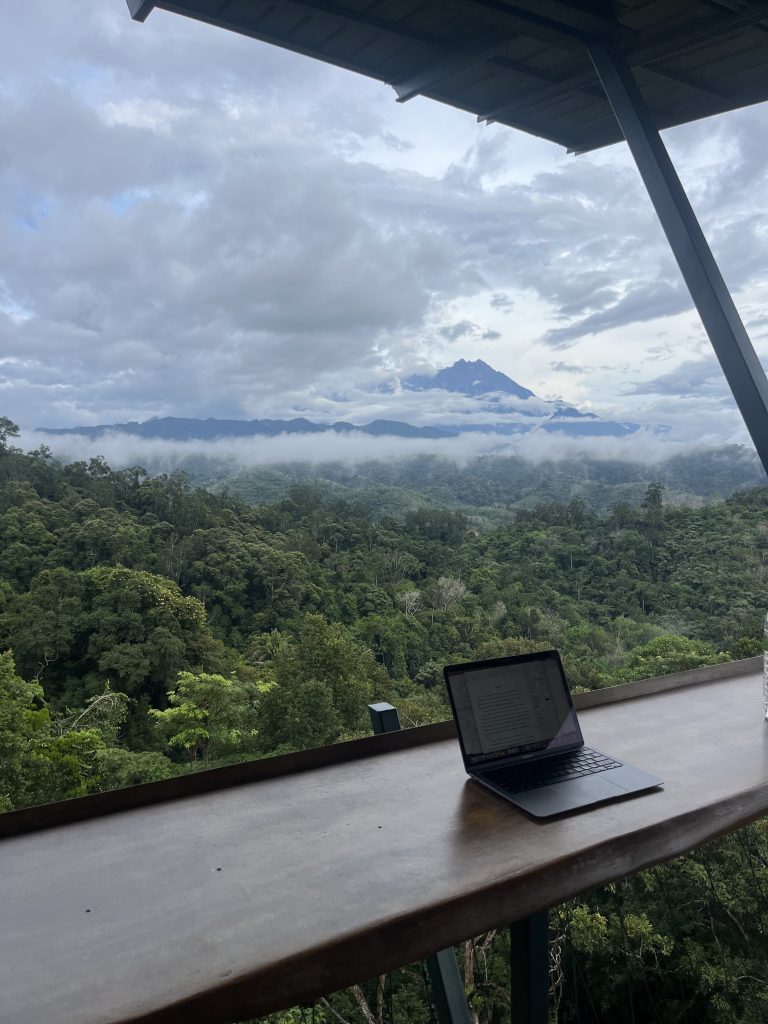
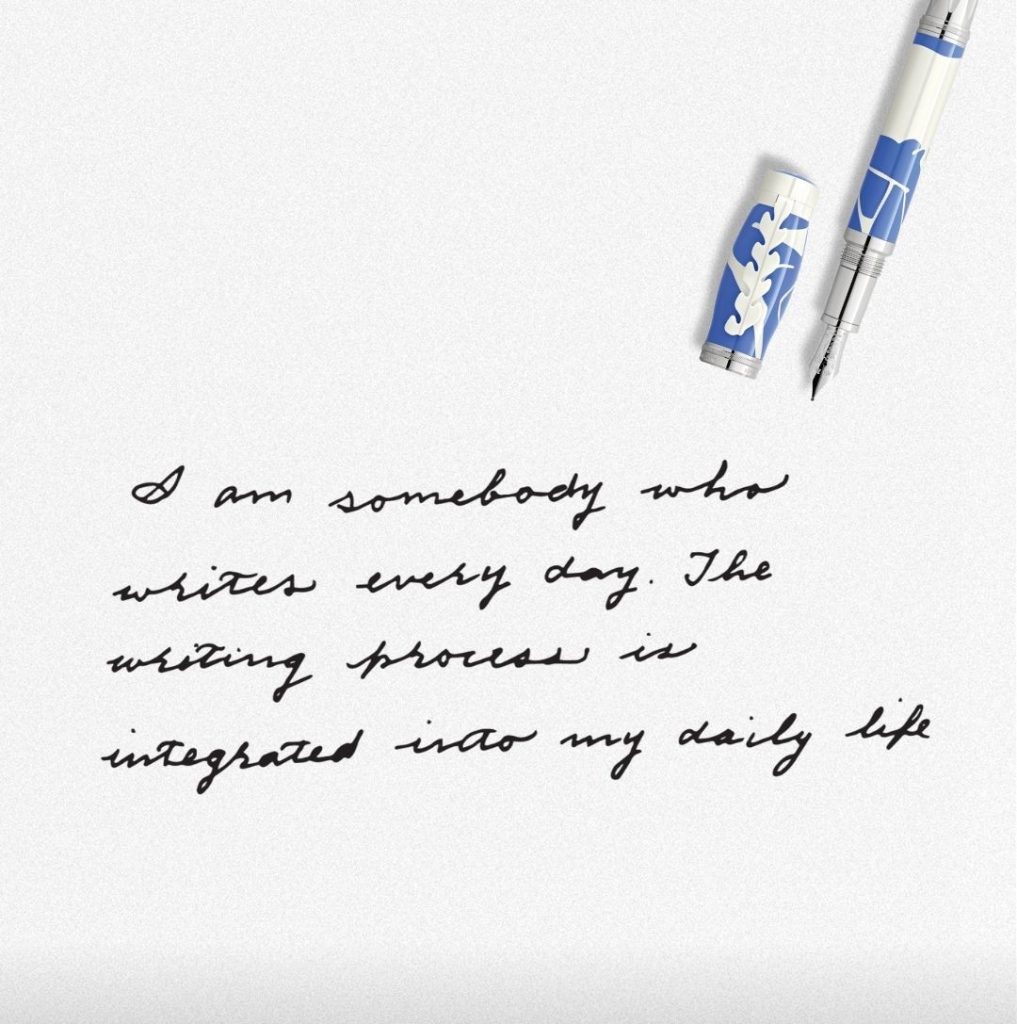
I’m somebody who writes every day. The writing process is integrated into my daily life. I don’t sit there waiting for inspiration to hit me. There are always things I can write notes about as I go.
From my vantage point as both an insider and an outsider, I had to live in Sabah to write this. Obviously, I will always be a bit of an outsider. I am so clearly Australian. I really felt like I had to be up close and personal, talking to people on a daily basis, sort of soaking in Sabah. Trying to see the place with a different set of eyes and recognise my place in it, but also outside of it.
When I was living in Kota Kinabalu (KK) for two years, I had a fairly consistent routine. I would get up early, drink coffee, probably too much of it, and keep myself just a little bit hungry. Early in the morning, my thoughts are so distilled, and my brain is so sharp. Oftentimes, I’m interacting with what I wrote the night before because you come to it with fresh eyes.
I can’t really work much during the day. I would go off and do whatever else I had to do; answer emails, work out, or go for a run. Then late at night, I would go back to the manuscript again.
I’m not someone who works 9 to 5. I prefer short, sharp bursts. Two hours of hard work, no emails, barely looking at my phone, just trying to catch that first wave of inspiration.
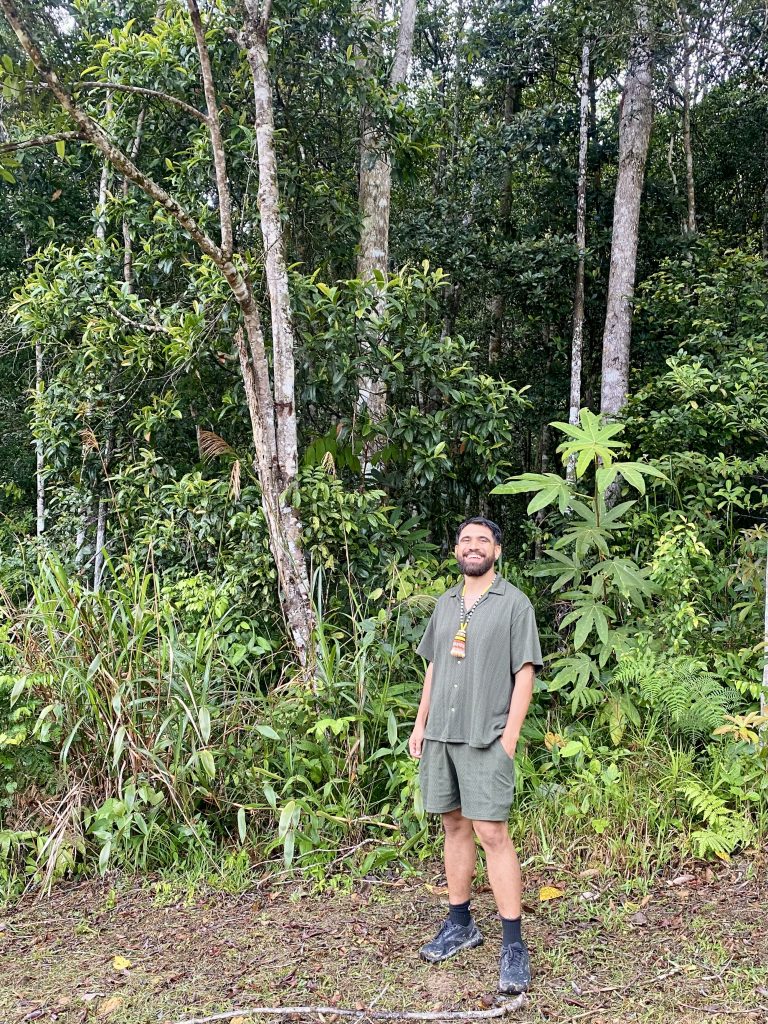
I did so much research. I read so many books about the palm oil industry and its history, not just in Malaysia, but in different countries as well. My research took me to so many weird and wonderful places just in terms of crossing borders. Italian history, Nigerian history, British history.
One book that became very useful was The Kinabatangan Remembered: 1967-1972 by Charles Folland, a British soil scientist. It was quite fascinating because he was sampling the soil for the state government. Folland basically fell in love with Sabah, even though he knew his work was sowing the seeds for potential environmental destruction. That tension fed directly into Yusuf.
I also did practical on-the-ground research, just talking and listening to people who had worked in the palm oil industry, from labourers to books written by palm oil magnates. I talked to my aunties, uncles, and cousins who had lived on FELDA palm oil plantations. I walked through estates, listened to the details of their daily work, and learned about the tools they used.
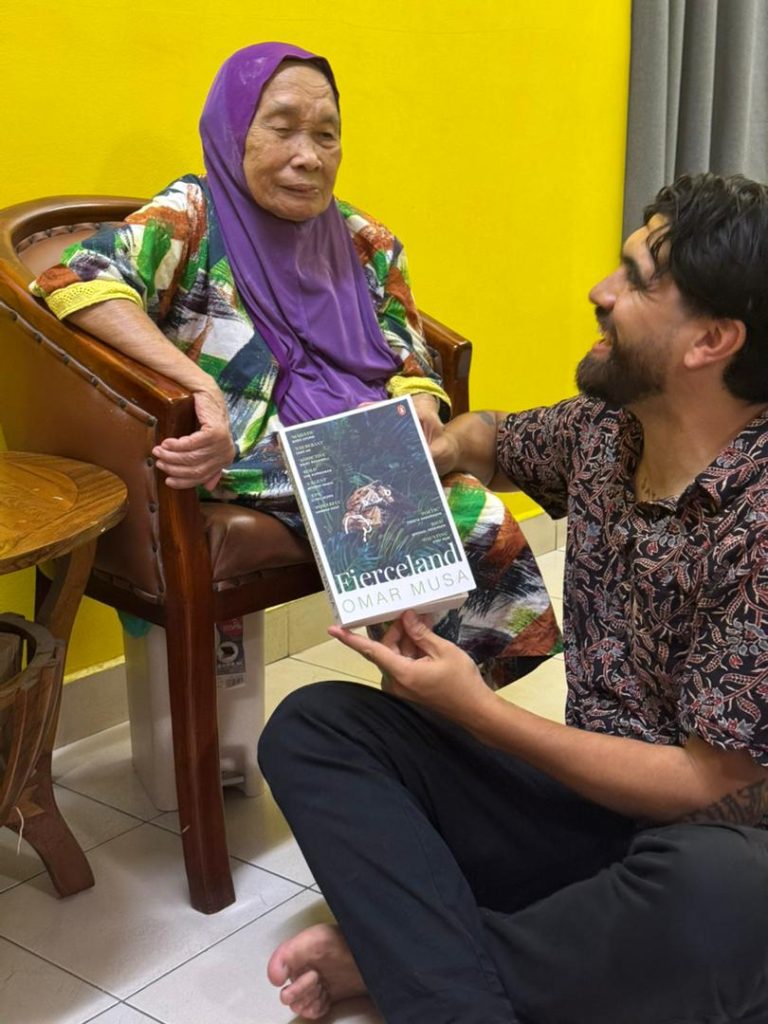
I used that deep research as a springboard for my imagination. My nenek's superstitious beliefs about the forest, my father's scary pontianak stories, and all this Kedayan folklore on black magic fed into the book. This balance between the supernatural, the speculative, and real life. It allows your imagination to run riot. And so, people reading it are like, “Huh? Wait, is this real?”
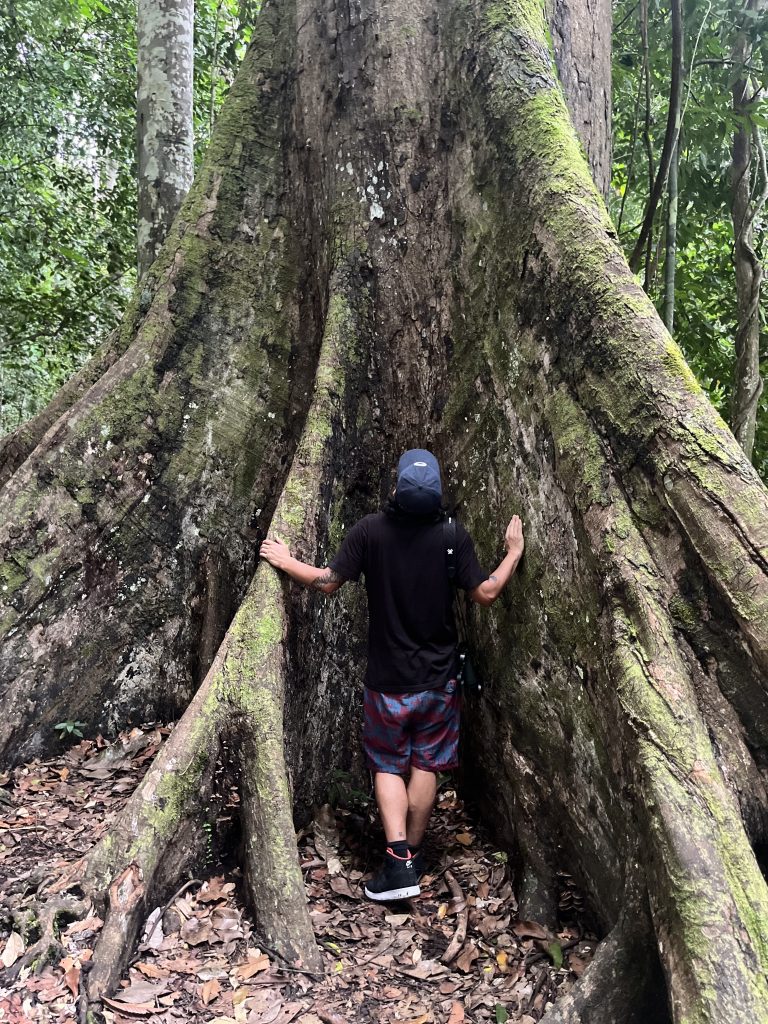
I love it out there. I've spent a lot of time in Tawau Hills National Park, up the Kinabatangan River, and in the Kelabit Highlands on the Kalimantan side. There are just so many different facets to a place like that. So, whenever I got the chance, I spent a lot of time there, trying to channel the spirit of the hutan. It's hard to explain because it almost sounds mystic or spiritual.
My family also has land up in Mesapol, near Sipitang. It used to be just really dense jungle. I grew up hearing stories from my father and nenek about how alive it once was. Full of animal life, like orangutans living in a very ramshackle wooden hut. By the time I experienced it, they were already killed or driven out. That sense of loss, something disappearing, stayed with me.
It’s easy to romanticise the forest because it's under such threat. I definitely do, and there's nothing wrong with that. It's beautiful, abundant, and generous. But it's also fierce, violent, and dangerous. I was trying to soak in all these things and bring them out in the voice of the forest.
The British novelist Max Porter, who mentored me through a crucial draft of this book, pointed out that I already had this voice of the forest breaking through in certain places. I have to give him the credit for that. Porter encouraged me to let it become one of the main characters.
I use any tools at my disposal to get my ideas down. I do think the best way is to write longhand. There are no distractions on the page. You can’t click a tab or wander off on YouTube.
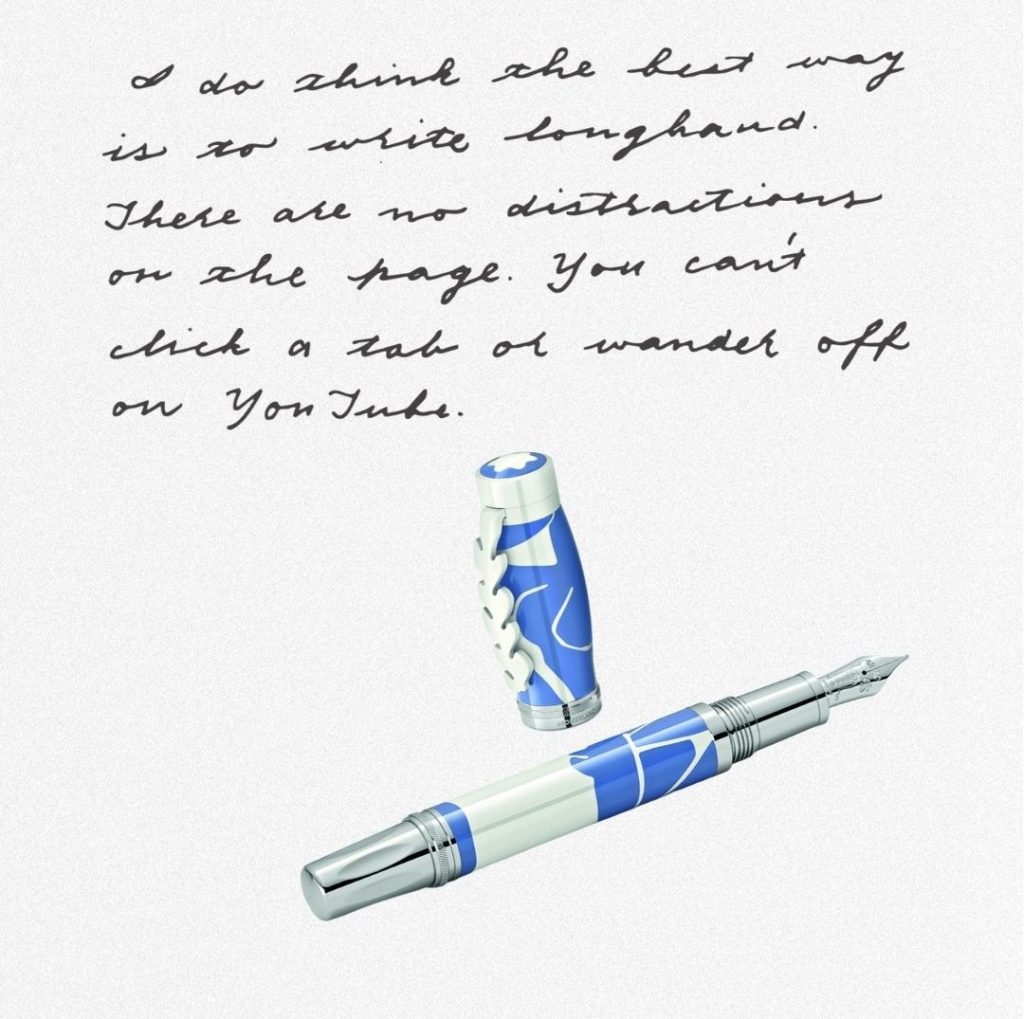
The physical act of writing the letters down seems to shape your ideas in a more distilled way. There’s also a built-in secondary edit, because you then have to transfer it onto the computer. That process makes you think a bit more deeply about the words you have already put down.
At the same time, I’m practical. If I’m in a rush, I’ll use the voice memos app on my phone. For example, if you’re on some bumpy boat ride up the river in Kinabatangan, you can’t just pull out a notebook.
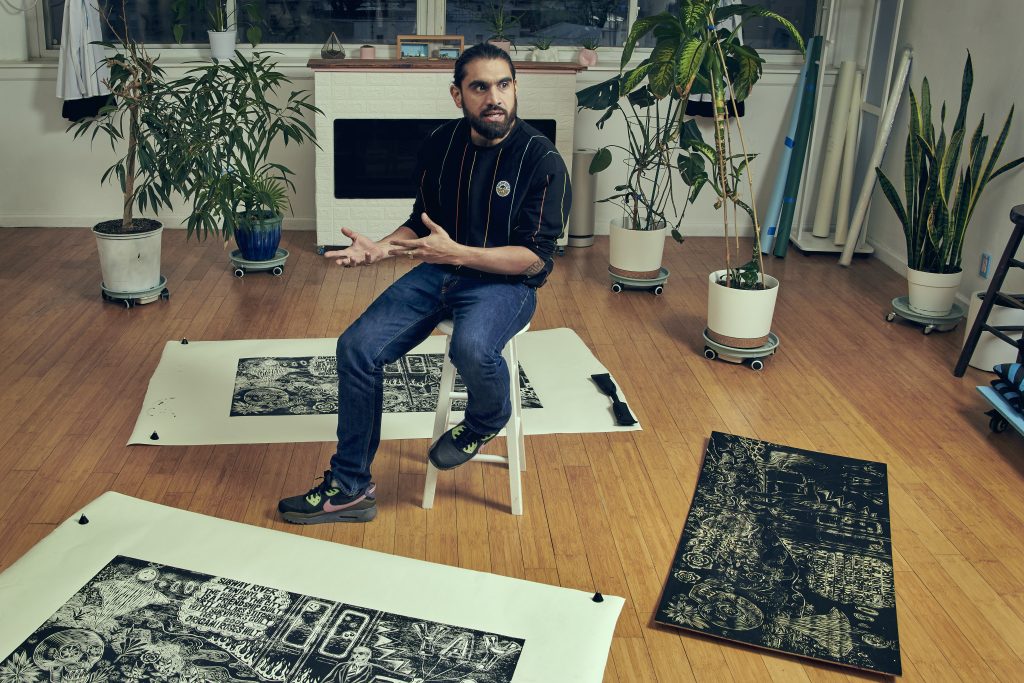
Omar Musa is a Sabahan-Australian author, poet, rapper, and visual artist. He has written four poetry collections and two books, many of which explore identity, race, and masculinity. Fierceland (2025) is published by Penguin Random House SEA.

Esquire Malaysia
©2026, Heart Media Pte Ltd
