
Honouring Esquire's tradition of publishing culture and literature, How I Wrote It is a new monthly feature that puts the writing process front and centre. Each edition invites a writer to speak plainly about how a specific piece of work came together.
The series opens with Tunku Halim reflecting on the making of Vermillion Eye. The novel was first published in 1999 and reissued in 2025 for its 25th anniversary. Halim walks us through how it came together, his writing routine at the time, and the research that shaped it. He also reflects on revisiting the book decades later and updating it for a changed world.
"Clouds drifted above. The moon sat half in shadow, as if one eye on that face was watching and the other dared not look. That old coward of a moon, there was much more to be seen before the night was over.
Claymore wore a loose dark T-shirt over his fat body. In the pocket of his tracksuit bottoms was a blue plastic rope, tightly coiled. In his left hand he clutched a hammer Jim Oxley had bought at a staff discount for driving large nails into concrete walls. He knelt on the sand and surveyed the line of trees. The leaves seemed to tremble in the breeze as if in anticipation, The wooden limbs twisted dark silhouettes against the sky. A boy, a teenager perhaps, rode by quickly on a bicycle. A sleek sports car drove along the beach front then roared up the hill towards Mosman.
He placed one hand on the ground and brought out a clump of dry sand. It trickled out one side of his palm, an incandescent waterfall under the moonlight. The world had not changed. Sand was still sand. Life was still life. Death was still death. There was a time for everyone.
Unless your name was William Walter Claymore. Then you could return. And return with an almighty blaze of glory!
A sound on the pavement. Claymore looked up and grinned. This was what he was waiting for. A lone figure, a woman making her way along the path beside the wall which separated the promenade from the beach. He brushed the remaining sand against his trousers, clumps falling away in the breeze.
Ah, time to start this merry old show.
Claymore moved away from the surf parallel to the figure. His breasts bounced merrily on his chest, his stomach wobbled against his thighs. He could hear his heart beating in his head. This was what it was all about. The thrill of the kill."
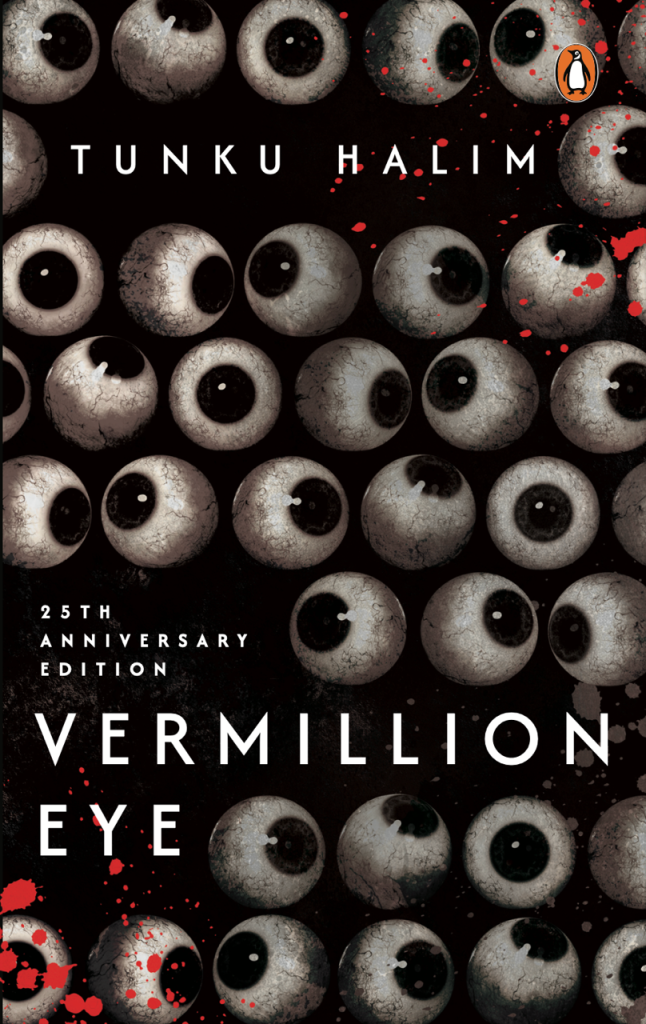
I’d written my first novel, Dark Demon Rising, about three years earlier. Then of course, you have to follow it up, right?
I was living in Sydney, and it was a very hot summer. There were a lot of flies around. Big, big flies. I thought of the idea of decay, the heat, something decaying.
I was sitting in my writing study, and then on the window, there was a fly. I looked at it for a while and thought, What if? What if it suddenly came inside the window? That gave me the idea of what would happen if that cloud out there is actually a cloud of flies. And they rush at me, break through the window, and kill me.
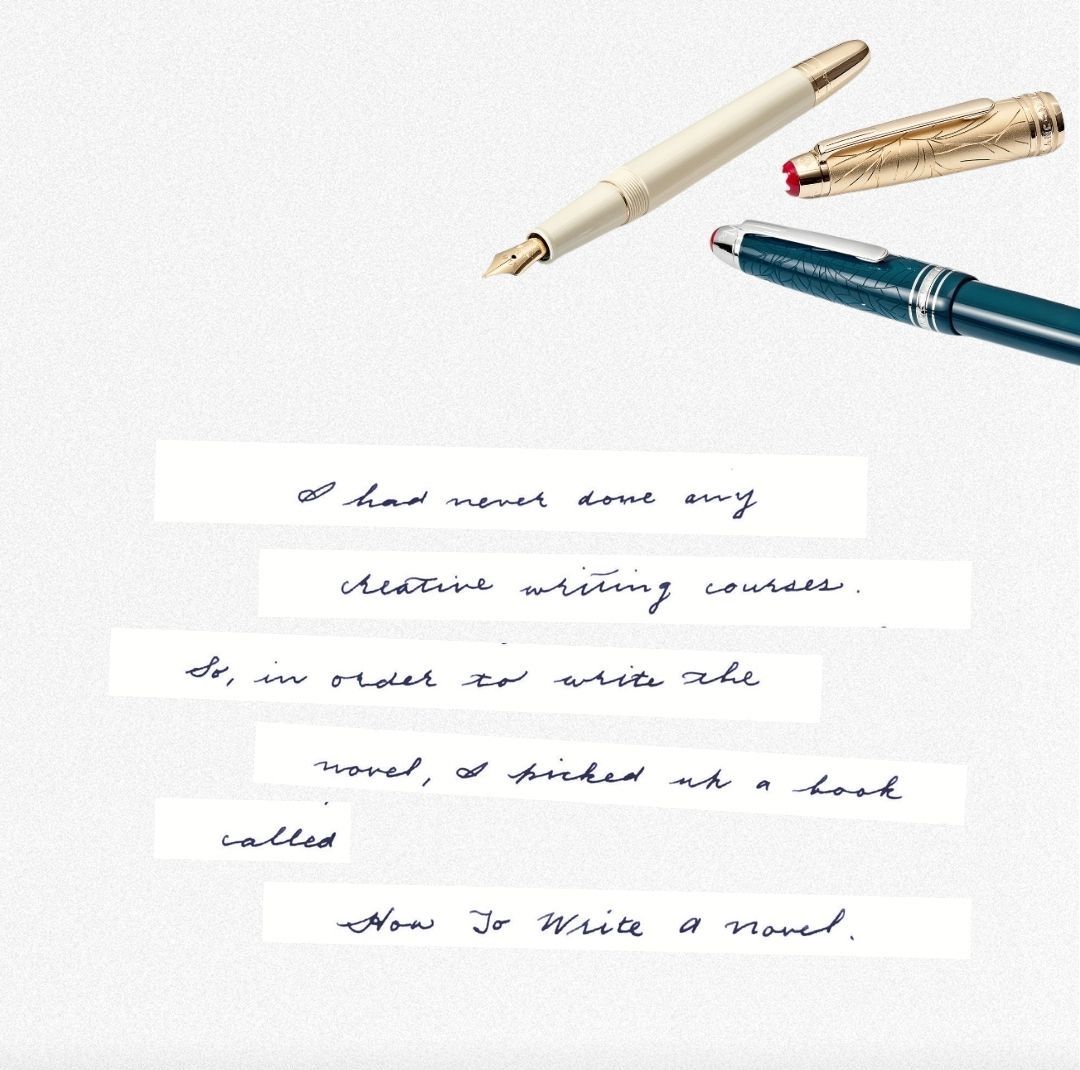
I had never done any creative writing courses. So, in order to write the novel, I picked up a book called How To Write A Novel. But then I also realised later that character is very important.
Luckily, in Sydney, there are a lot of writing courses. I went to a half-day course called Write A Character. I started inventing my character, who is very thin and wears a very long leather jacket. He’s got long hair, dreadlocks.
I gave him the name Rake Jamhorn. He’s like a lizard, because even in the heat of summer, he’s still cold. But he’s a pimp. So, now I’ve got the idea of the flies, and I’ve got the idea of this character. I’ve got to bring them together into this novel.
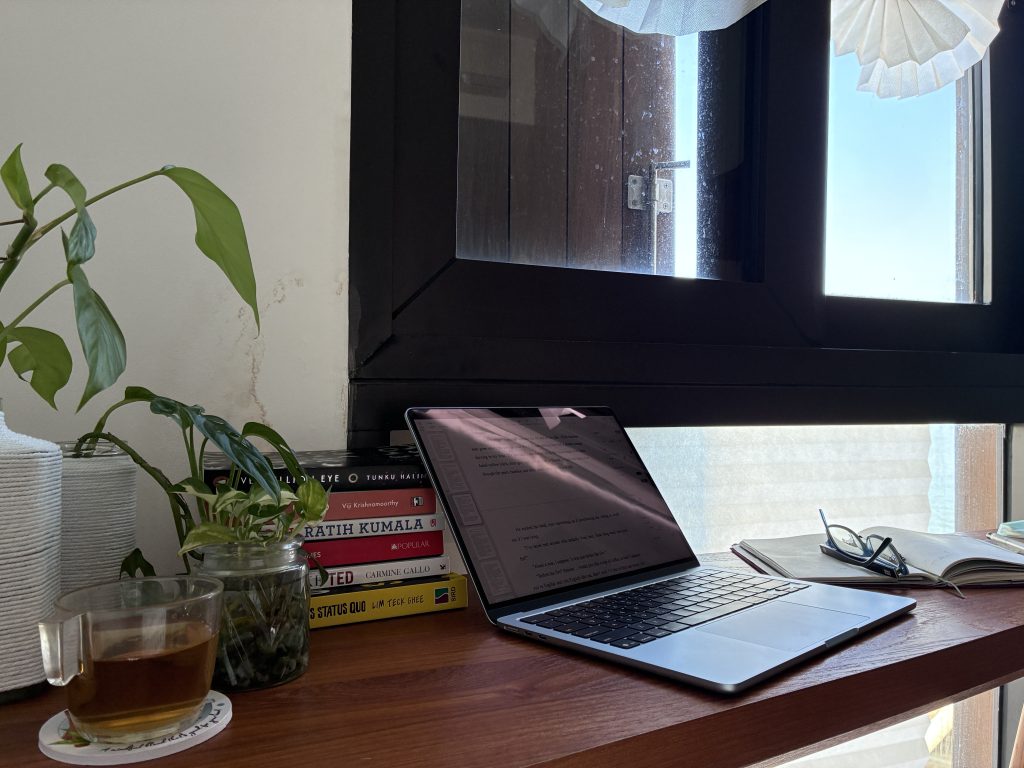
I’m a morning person, so I write first thing in the morning. That’s when my brain is working best. In the afternoon, I get sleepy.
I might write for two, maybe three hours. After that, you really can’t write anymore.
I wrote from home the most, but I also went to a library. That was quite good because I had all these books around me that I could go and research. In those days, you had no internet.
I didn’t really count the drafts. You just keep writing. It was a hard novel to write because, for the first time, I was writing without knowing where it was going. It was also very satisfying. I didn’t have a plot in mind. I just had some ideas. It was four or five times as hard writing the second novel.

The good thing is, when I wrote my first novel, I was inspired by a colonial book called An Analysis of Malay Magic by K.M. Endicott. That’s where I learnt a lot about bomohs. I already had that research from the first novel, which I could bring into the second. There’s also another book called Malay Magic by Walter William Skeat. So again, I could dip in and out of that for inspiration.
I would say 99% is imagination, 1% is research. But the research sparks the imagination.
As a teenager, Stephen King was my favourite author, and he still is one of my favourites. Also, the novel features a serial killer. My experience of serial killers is from the movies, like The Silence of the Lambs with Hannibal Lecter. This was certainly one I was thinking about, and I also read the novel.
I am writing horror here. The idea is to scare or to create tension. I’m not into gruesomeness, only where it’s necessary. I think this is probably one of the most gruesome pieces of work I’ve written. It was necessary because of the characters and the plot.
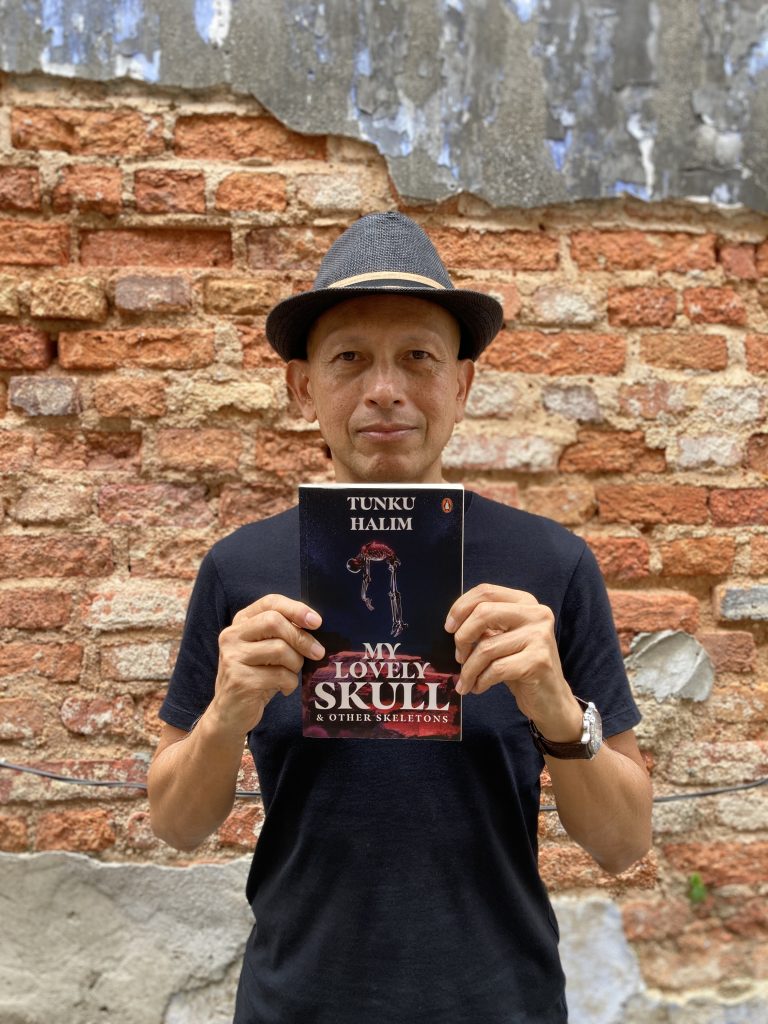
When I looked at the novel again, before it was republished for the 25th anniversary edition, there were some stark differences. The reissue is for today's audience. Twenty-five years ago, people didn’t really use mobile phones.
There was a scene in the original novel where the victim is about to be killed, and he's about to be warned by his friend. Just as he steps out the door, he hears his landline ringing. He doesn't bother to get it, and then, he gets killed. In the reissued novel, he leaves his phone.
In the year 2000, in Sydney, King’s Cross was a red light district. That’s where the pimp goes to find customers, face to face. If you go to King’s Cross today, it’s gentrified with lovely restaurants and apartments. No topless bars, no girls standing in corners because the way it’s done today, it’s all online. So again, I could change it.
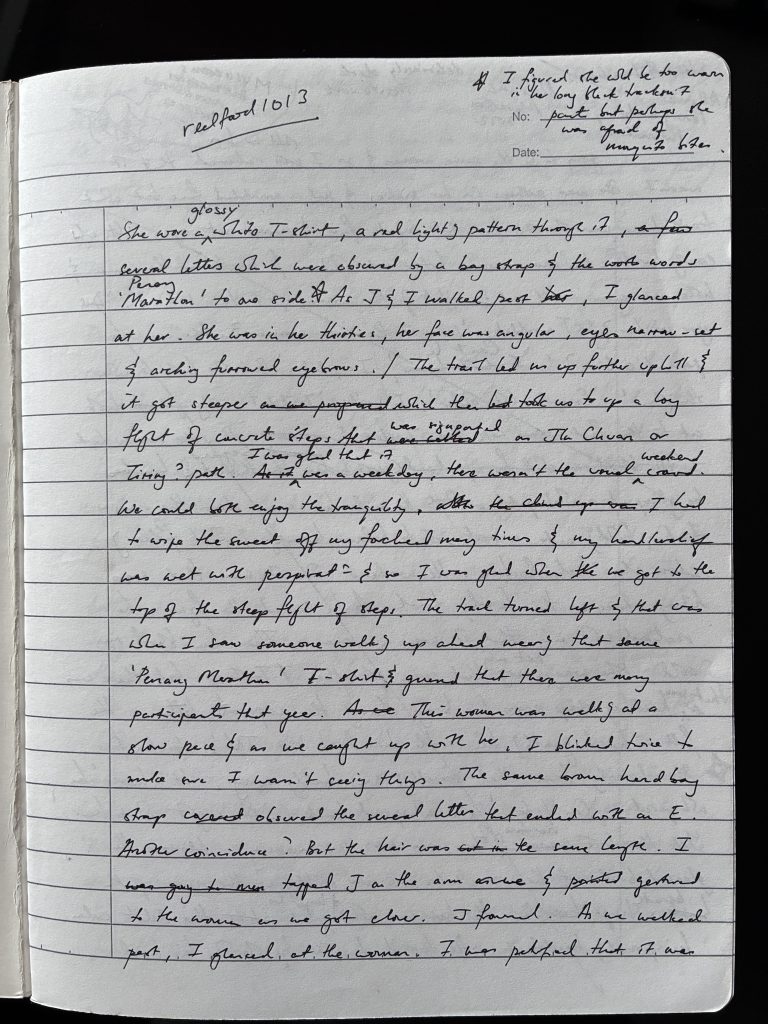
Sometimes, I will write by hand because… the hardest thing for a writer is to start. Sometimes I find it better to write by hand.
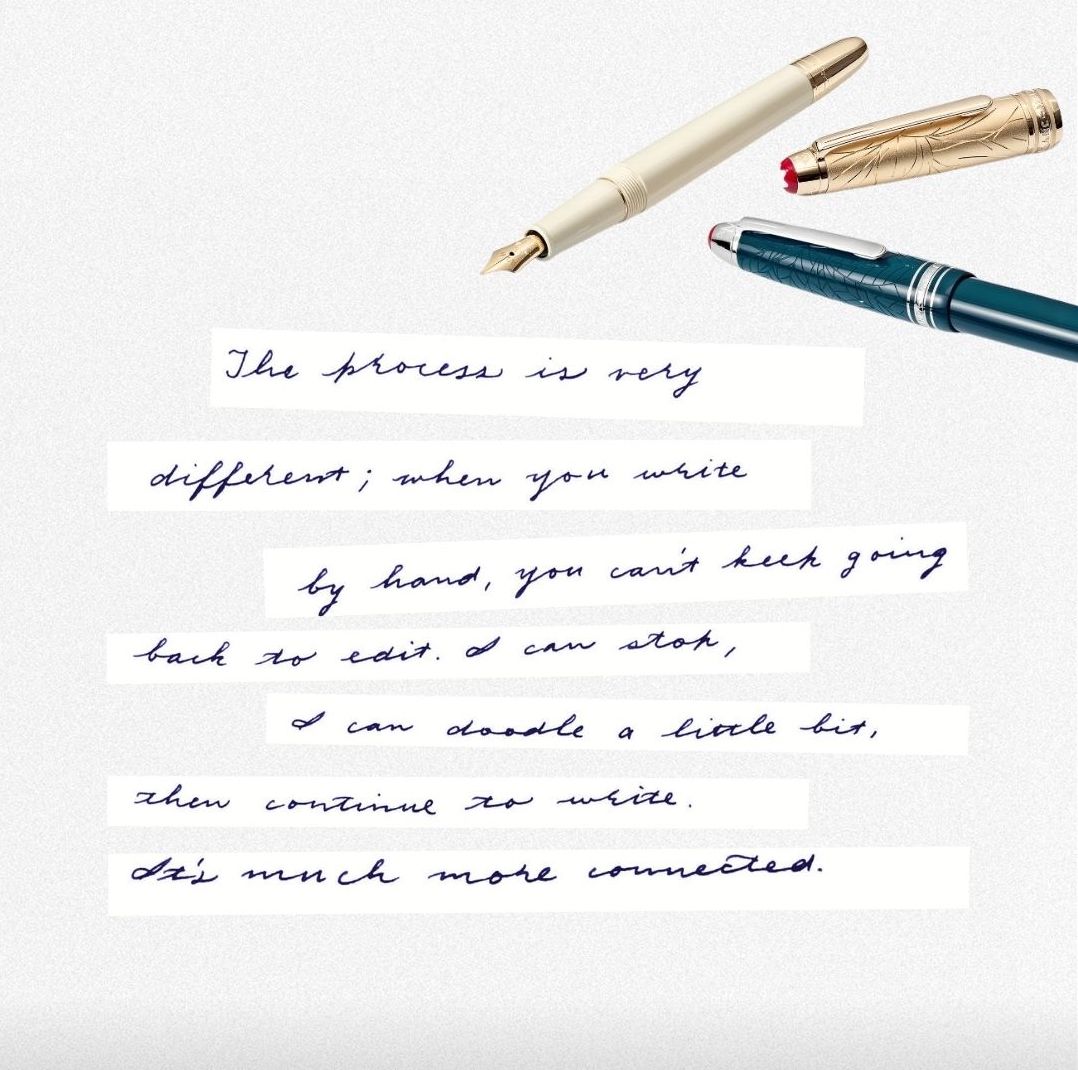
The process is very different; when you write by hand, you can’t keep going back to edit. I can stop, I can doodle a little bit, then continue to write. It’s much more connected. There's also less opportunity for distraction. You leave your laptop at home, go somewhere, and handwrite. I still do that.
Tunku Halim is a Malaysian author. He has also lived in the UK, Australia, the Philippines and Thailand. He has written 20 books, many of which draw on Malay myth and folklore. Vermillion Eye (2025) is published by Penguin Random House SEA.

Esquire Malaysia
©2026, Heart Media Pte Ltd
