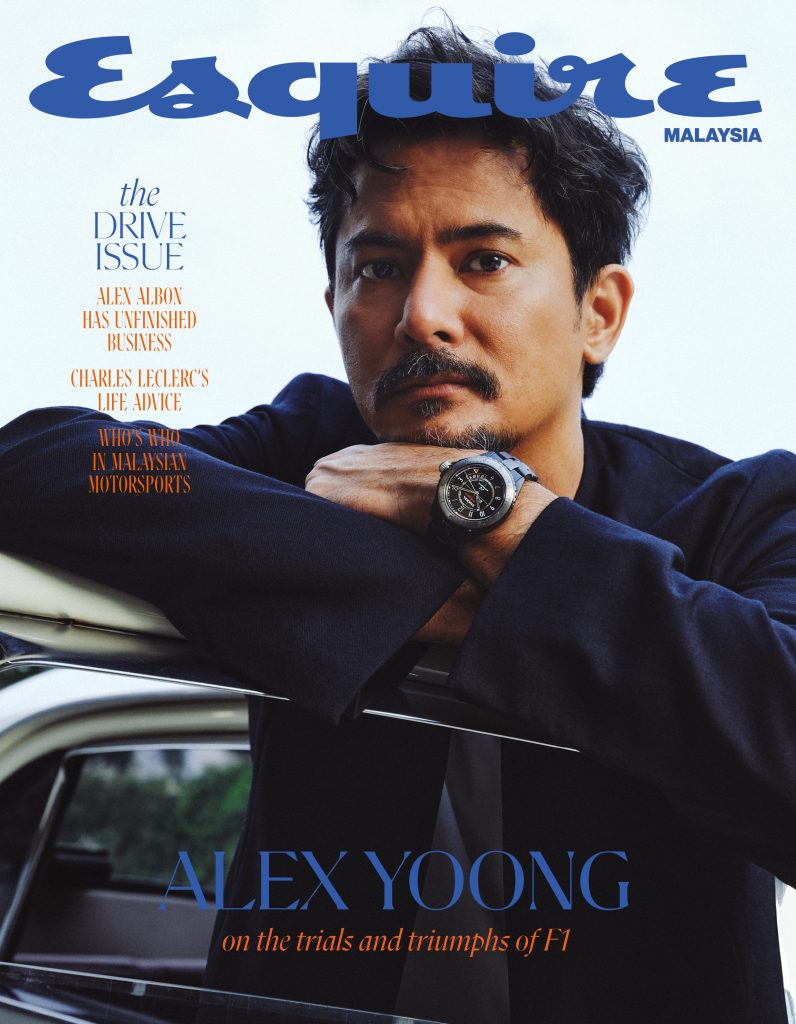
“Looking back now, I thought, what a stupid idiot,” Alex Yoong says. “I mean, I started racing cars at 16.”
For Yoong, racing has been a lifelong obsession. While he may humbly understate his origins, his personal drive has led him to where he is today. To date, he is the first and only Malaysian racing driver to compete in Formula 1.
Ahead of F1's return to Sepang International Circuit, Yoong is still in the business of motorsport—25 years after his F1 debut—now as a founder, coach and father.
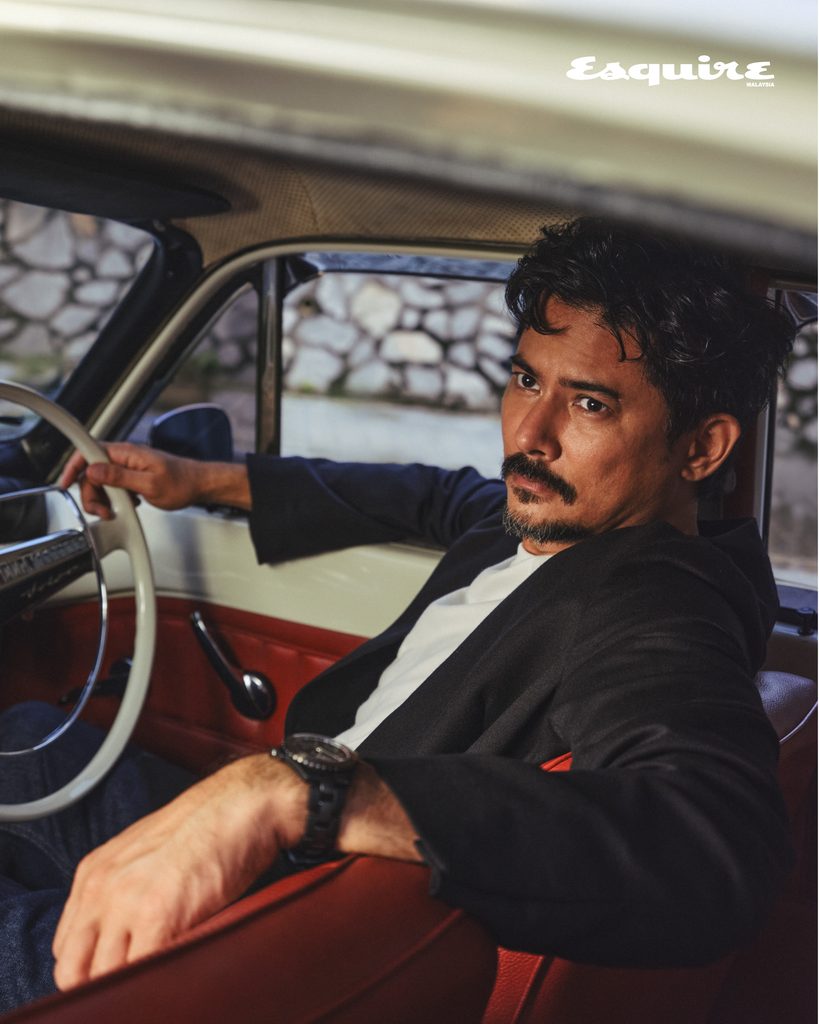
I arrive early to the cover shoot, nervous about interviewing someone so respected in Malaysian motorsport. Yoong arrives friendly, if a little tired.
I ask him what qualities make a great racing driver, and he sends the question back across the table. “Passion, drive and competitiveness?” I suggest.
“Passion, no,” he says. “It’s obsession. Passion is for football teams.”
Yoong listens carefully, challenges things when he disagrees, and has little interest in giving me the answers I expect. He’s direct, but always polite.
He flips a small plastic bottle onto the table and sets out the rest of his formula. “Drive is a combination of discipline and work ethic,” he explains. “And along with that, stuff like time management.”
Competitiveness sits lower on his list than I expected. “Some of the most world-class athletes I know are not that competitive,” he says. “But they have an unstoppable drive.”
These qualities, he insists, are not fixed at birth. “Every one of these attributes can be grown.”
Passion is a feeling. Obsession is a practice, repeated until instinct and preparation become harder to separate. It’s also an interesting read on Yoong’s life. He reached F1 when no Malaysian had done it before, then kept racing after that chapter closed.
At 50, his focus is entirely forward-facing. Through Axle Sports, the driver-development and esports company he founded, Yoong now trains the next generation of emerging racers.
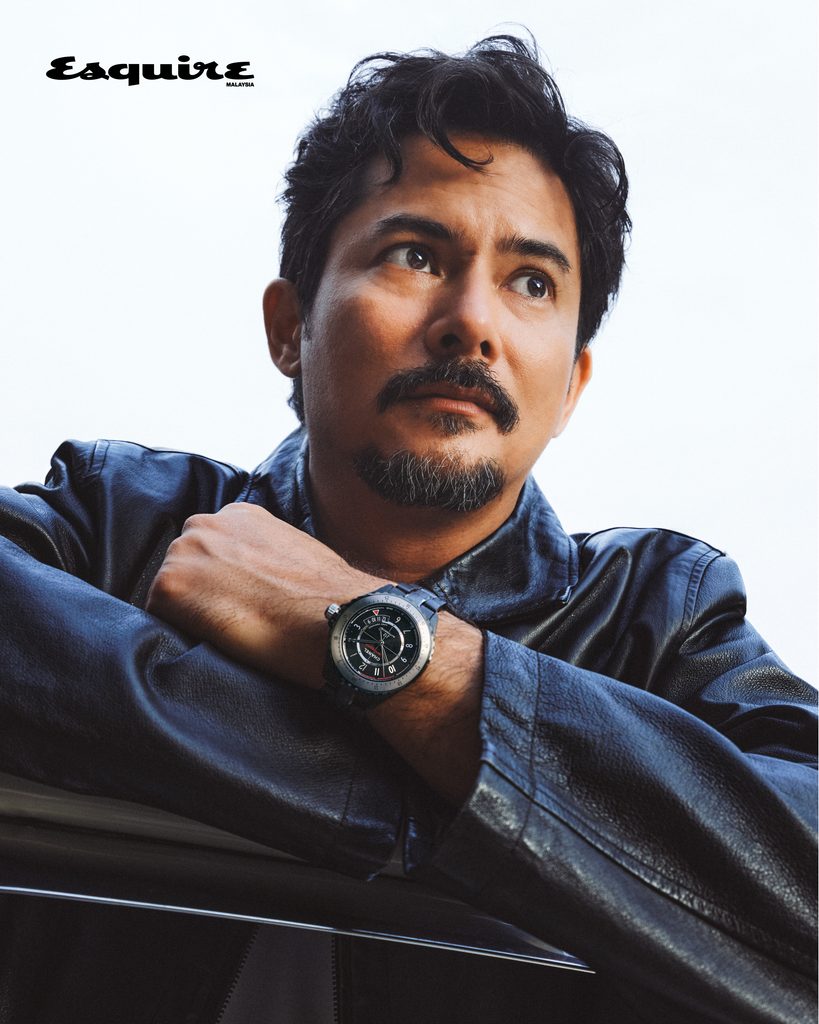
Yoong’s first racing memory arrives with the clarity of an old photograph. He’s three years old at Batu Tiga Circuit in Shah Alam. It’s a “stinking hot day,” he recalls. His younger sister sits in a pram, and his mother wears a green dress. The family stops beside the fence, on the inside of the final corner, as cars file past towards the starting grid.
He can’t remember if his father, Hanifah Yoong, was racing that day. Even as a child, what stayed with him was an instant recognition of what the cars were preparing to do.
“I just knew instantly what it was about,” he says. “It was a race.”
“It was always motorsport,” he continues. Yoong water-skied as a teenager, but describes it as “just something to do for fun”. Racing always came first.
At 16, Yoong began in saloon cars (road cars modified for competition), before moving into single-seaters (purpose-built, open-wheel machines associated with Formula racing). In 1996, he left Malaysia to compete in Europe’s Formula Renault and Formula 3 categories.
“You come from Malaysia, and you’ve been racing Proton Sagas and Honda Civics,” he explains. “Then, you’re jumping into proper race cars and proper teams.”
There was no modern driver academy funding each step or surrounding him with coaches, engineers and advisers. “You don’t really have anyone to help you along the way,” he says. “There’s a lot of trying to find your own way.”
“I was very shy,” he adds. “It was very hard for me to reach out for help.”
His European campaign rose and fell with sponsorship. When money ran short, his family sold cars and a house to keep him racing. “It was very isolating,” he says.
Even his view of crashing was shaped by the budget. “High-speed crashes, don’t do them because they’re expensive,” he says.
Racing remains punishingly costly. “It’s still the same,” he says. “It’s still expensive.”
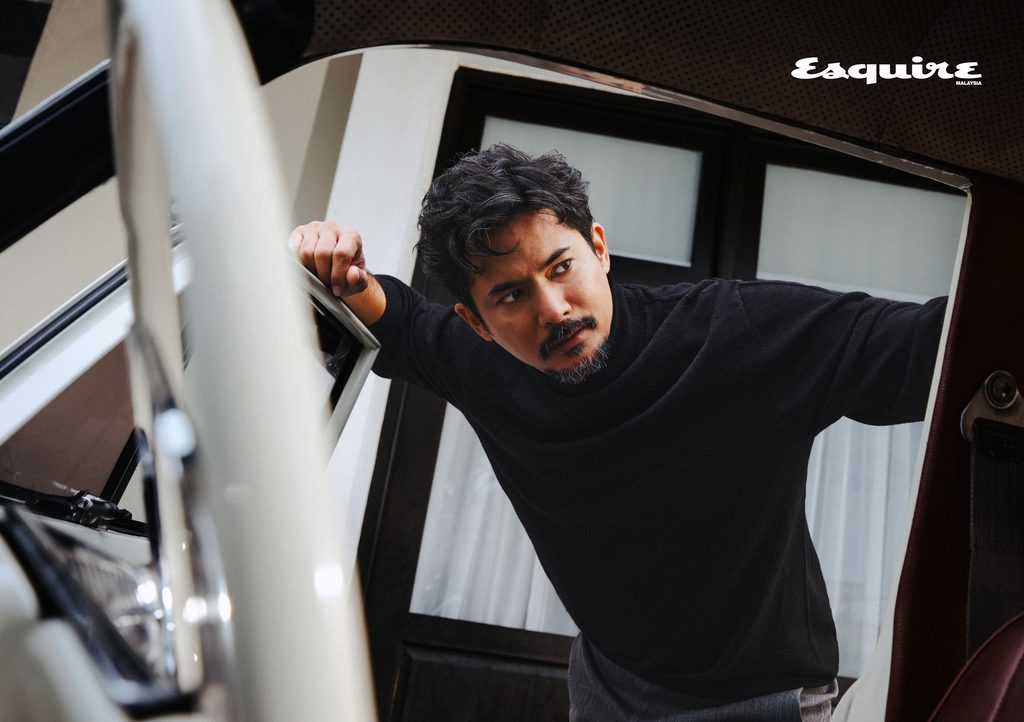
In 2001, the Italian team Minardi invited Yoong to test an F1 car at Mugello Circuit in Italy. The session was effectively an audition.
“Better than I expected, better than the team expected,” he recalls. “So that’s when the offer came.”
Minardi gave him a race seat for the final three rounds of the season. His first race was the Italian Grand Prix at Monza Circuit, where he became the first Malaysian to compete in F1.
“It was a very surreal weekend,” he says.
The September 11 attacks had happened days earlier, and the drivers discussed the possibility of not racing. Then, on the Saturday before the GP, former F1 driver Alex Zanardi lost both legs in a horrific crash. By Sunday, the paddock was full of grief and uncertainty. And as the newcomer, Yoong just kept quiet.
Then, he took his place on the back row of the 22-car grid.
F1 cars of that era used V10s, ten-cylinder engines remembered for a shriek that filled entire grandstands. Yet through his helmet and over the noise of the engine, the then 25-year-old could still hear the crowds.
“It was very special,” he says.
Simply reaching F1 never satisfied him, though. “Formula 1 was very disappointing for me,” Yoong admits. “I didn’t want to get to Formula 1. I wanted to be a Formula 1 world champion.”
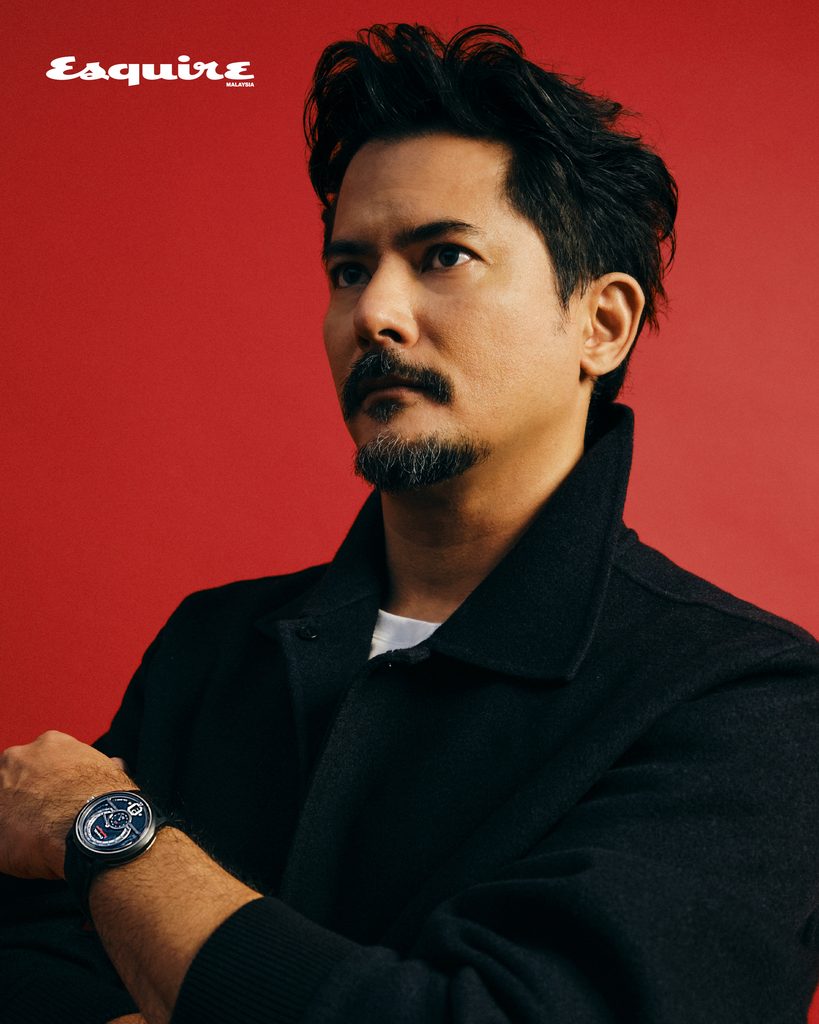
His home race, the 2002 Malaysian Grand Prix, remains a special moment in his career. “I’d driven pretty shit the race before in Melbourne, so it was very important to have a good performance.”
A gearbox failure ended his race after 29 laps, but Yoong was still pleased with his driving.
F1 was only one part of his career. Yoong later won four races for Team Malaysia in A1GP. Rather than competing for teams like McLaren or Mercedes, drivers represent their countries in identical single-seaters. It’s like the FIFA World Cup, a country-versus-country format.
He even raced against Jos Verstappen, father of F1 Red Bull Racing driver Max, during the inaugural 2005-06 A1GP season. He remembers the Dutch racer as “very aggressive, just like Max.”
He also competed in the 2006 24 Hours of Le Mans (where several drivers share one car through a full day and night of racing). That year, Yoong's outstanding pace earned him the event's Rookie Of The Year award. Not to mention racing GT cars and driving in V8 Supercars.
Yoong says that those years gave him enough success to prove his craft and keep going. He calls it a “decent career”: a characteristic understatement. Few Malaysian athletes have carried the Jalur Gemilang across so many forms of international competition.
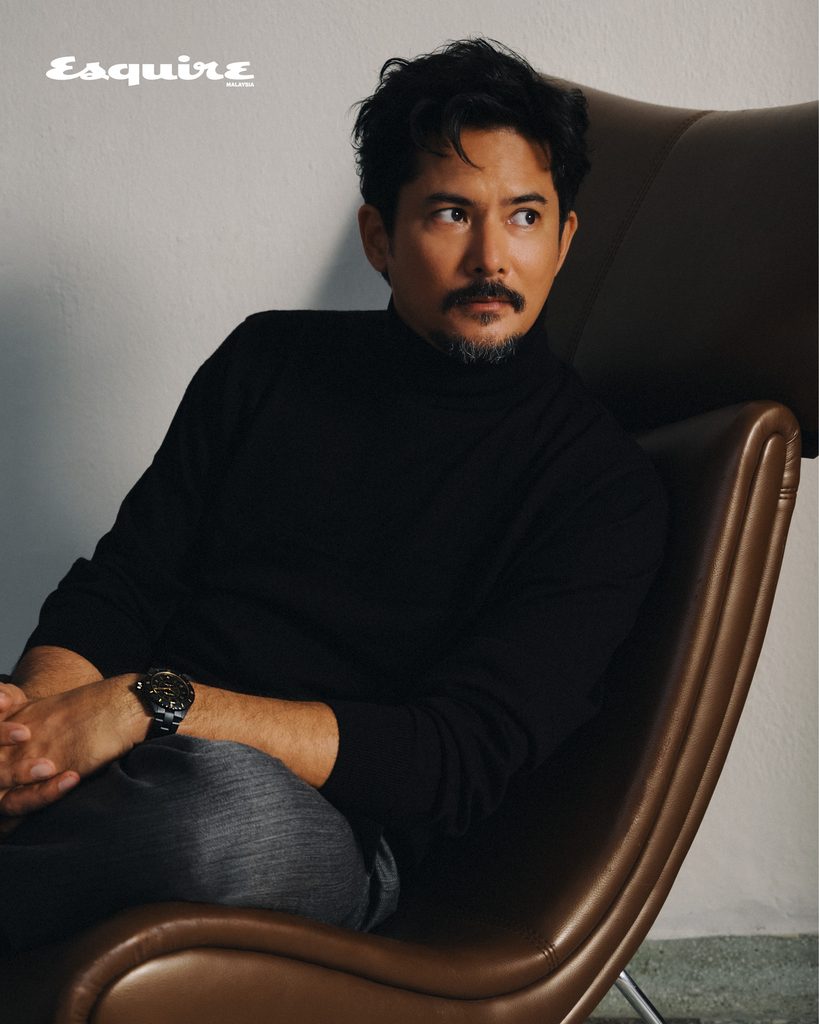
This month, F1 returns to Sepang from 2 to 4 October. The rescheduled event is officially the Gulf Air Bahrain Grand Prix in Malaysia, placed between Azerbaijan and Singapore on the 2026 calendar. For local fans, the name may be unusual, but the circuit is not.
“It is a power track,” Yoong says.
Sepang’s long straights reward strong engines, while its fast corners increase tyre wear. The former F1 driver expects the gradual loss of tyre grip to trouble the teams more than the heat. Drivers already race in similar conditions in Singapore and Qatar, and simulators let them study the track before arriving.
The audience has changed since F1 last competed in Malaysia in 2017. Netflix’s docuseries, Drive to Survive, and social media have brought in new viewers.
I tell Yoong that Drive to Survive was my own entry point. His response is another neat distinction: “All motorsport fans are F1 fans. Not all F1 fans are motorsport fans.”
Still, he values what social media has given curious fans. “I love what social media has done because it has made things more equal,” he says. “So, a lot of new fans can get very educated very fast on YouTube.”
Engineers, analysts and technical specialists can now explain tyre strategy, aerodynamics and driving technique directly to an audience.
He hopes new viewers will look past the F1 personalities and storylines and develop an interest in other categories of racing.
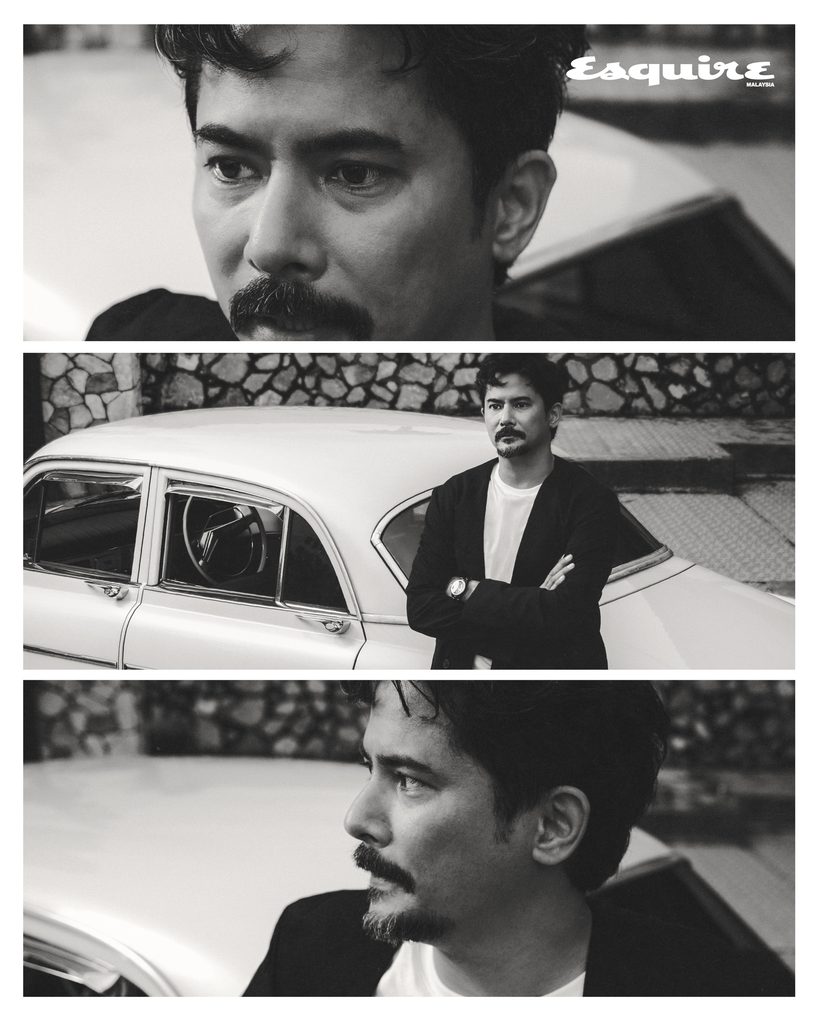
By 2018, as his professional racing career drew to a close, Yoong transitioned into running Axle Sports and coaching drivers. His presence in motorsport remains as commanding as ever, driven by a relentless pursuit of developing local talent.
Around the time of our conversation, he’s preparing Malaysia’s national e-racing squad for the 2026 Asian Games and the 2027 SEA Games. Recently, Taj Izrin Aiman Taj Madira brought home gold in the Gran Turismo 7 sim racing event, under Yoong's expert tutelage since April.
Sim racing offers something more practical. Drivers use a steering wheel and pedals to race in a replica cockpit on a digital circuit. A coach can then identify where a driver gains or loses time, at a fraction of the cost of putting a car on a real track. Yoong’s working days often end in the simulator.
“We’re normally on the sim with drivers from about 9pm to 11pm, between two and five days a week,” he says.
At Axle Sports, the simulator serves as both a training ground and scouting tool. It lets Yoong coach drivers, compare lap data, and spot talent who might otherwise never have the chance to show what they can do.
“Through the beauty of sim racing, we are exposed to more talent because motorsport is inaccessible,” he explains.
The coach wants to work with young athletes early, but that does not mean pushing children into one discipline too soon. “You shouldn’t specialise before 13,” he says. “You’ve got to keep things fun.”
“If you’re being pushed by your father or mother all the time, when they step aside, can you continue?” Yoong asks. The drive must eventually become their own.
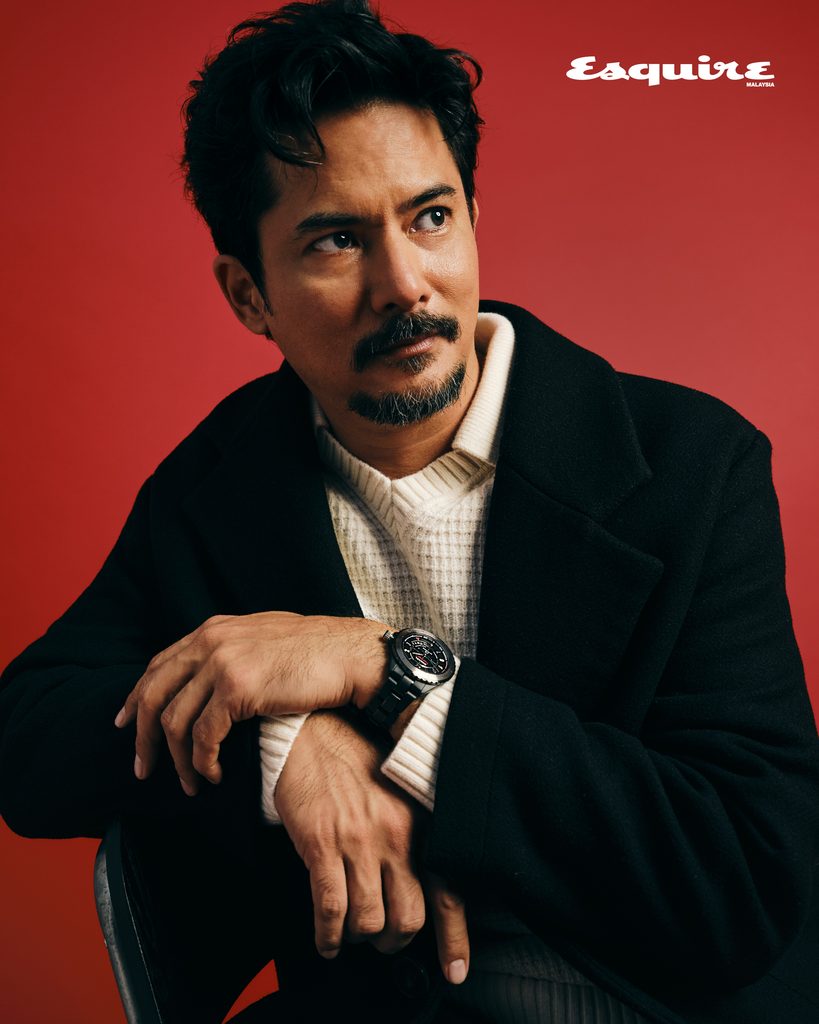
Yoong has tested that belief as a father. He never planned a racing career for his son, Alister Yoong.
When Alister became interested in racing at 13 or 14, Alex helped because his own father had done the same for him.
Alex and his father were the competitive ones in the family, and his parents’ commitment went far beyond just taking him to the track. In the 1980s, when international racing news was hard to obtain, they started a motorsport magazine.
By the following decade, Malaysian racing had become a popular local spectacle. Batu Tiga Circuit and Johor Circuit provided established venues, with SIC joining them in 1998.
Race weekends drew crowds of 30,000 to 40,000 people, while local results landed on the back pages of newspapers. “You’re like a mini rock star,” he recalls. “People were much more invested in local sports.”
His son Alister is now a “mini rock star” in his own right. The 23-year-old turned professional this year, racing prototypes for Switch Racing in Europe’s Ultimate Cup Series. He’s also featured in our Esky Profile, coming soon.
“I haven’t had to push him at all,” Alex says. “He’s been sleeping on couches and paying for his own way since he was 18.”
The sport gave them a shared language. “That’s been a nice surprise,” he says. “It’s something we enjoy. We touch base about stuff all the time, and we both learn off each other.”
I think of Jos Verstappen. He stopped competing to manage his son’s impressive rise into F1. When I suggest a similarity between the two father-son racers, Alex says, “Not at all. Jos was all about pushing Max. I wasn’t bothered. I was very happy for him to do what he wanted to do.”
That’s clearly the father speaking. But it’s also the three-year-old at Batu Tiga Circuit, the young driver who crossed continents, and the Malaysian who heard Monza through a V10 engine.
Asked what he might’ve done without motor racing, Yoong admits he has no firm answer. “I don’t know,” he says. “Probably something in sport, too.”
That is another understatement. Even after his professional racing career, Yoong continued to compete in water-skiing, taking home Gold, Silver and Bronze medals from the Southeast Asian Games. He also served as vice-president of the Malaysian Waterski and Wakeboard Federation (MWWF).
As a young driver, obsession took him to the pinnacle of motorsport. I had assumed Yoong’s “obsession” meant giving everything to racing. But now, off the track, he seems fully grounded.
Clearly, there’s more than one way to win in life.
Photographer: Amani Azlin
Creative Direction: Ling Low
Styling: Low Zhen Yang
Art Direction: Amirul Arifin
Hair: VV Chan
Makeup: Grace Wong
Production Manager: Sara Kong
Photography assistants: Bernard Chong & Zuki
Styling assistant: Fawzan Faiz
Watches: Chanel

Esquire Malaysia
©2026, Heart Media Pte Ltd
