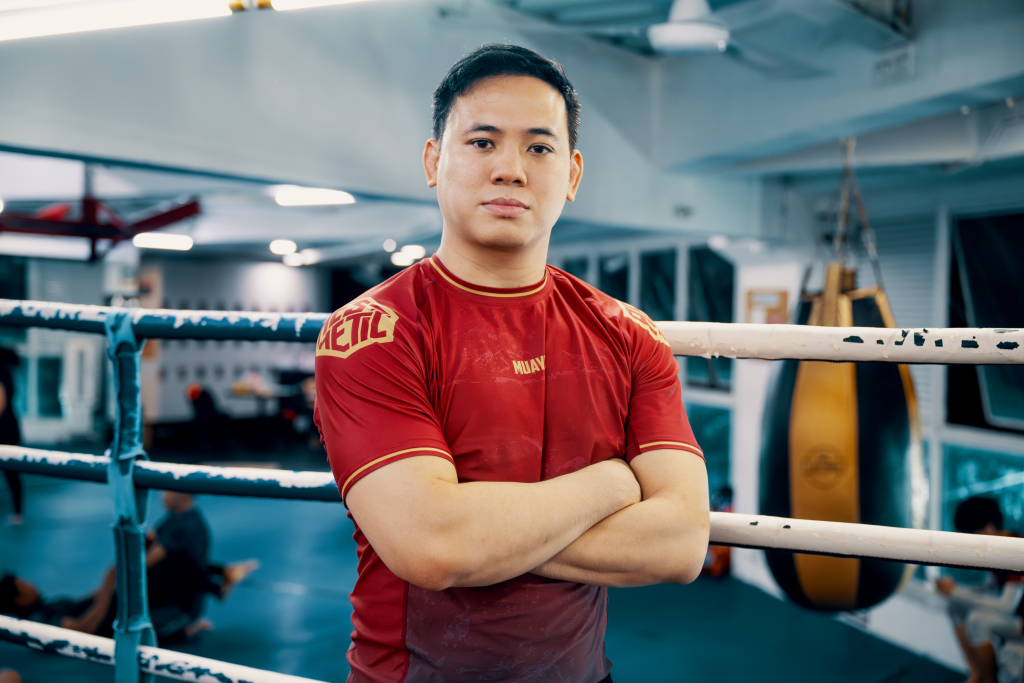
I can still remember picking up Muay Thai in 2004 and only having the option of training in what would be considered a mom-and-pop dojo. The world of martial arts was still unpopular then, with most clout being afforded to Taekwondo or Karate lessons we could pick up in school.
So, like any other young adult interested in combat sports, I ended up making do with whatever I found in my neighbourhood, and thus was our routine. We would be taught by students who had barely trained for six months, learn rehearsed combos, and run up and down the stairs. Then we’d be talked into buying more training gear like tank tops and shin pads.
Those sessions qualified for rigorous workouts, but never once did I feel like I was sharpening my proverbial axe, where fighting was concerned.
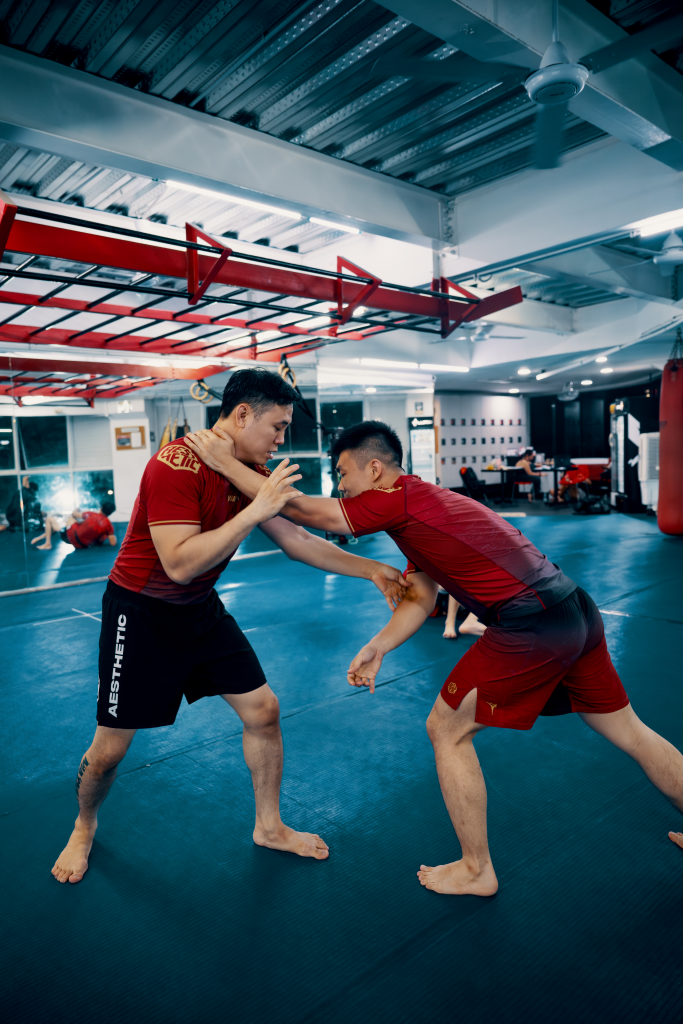

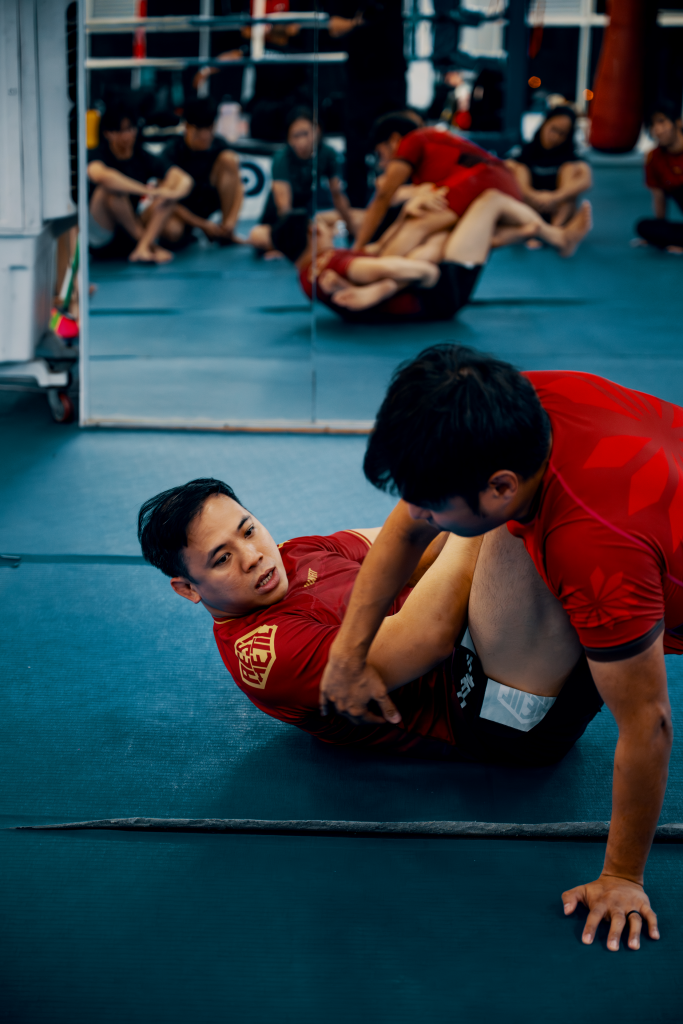
Had I had it my way, I would have incorporated clinches, sparring, technical drills, and professional pad work. All of which are available today, thanks to people like Max Lee, who is a practitioner himself. But that’s not the only thing he does in the sport.
As a gym owner, he’s produced many medallists under his tutelage, and if that’s not enough, he’s also a figure that’s deeply rooted in the community, using his connections to establish one of the biggest fight promotions in the country, Mega Fight Night (MFN).
Still, despite it being more than 20 years since the infancy of martial arts in the country, there are few fighters, and even fewer fight promoters. And Lee knows why. “There is no money in the fight world,” he says. “The revenue generated from our past three MFN events would barely sustain my two months’ personal expenditure.”
A sobering thought indeed, as if it’s not enough that martial artists have to hold a ‘real’ job while pursuing their dreams as athletes. In fact, that’s what Lee has done, and still continues to do to this day. Despite running a business and organising events, Lee considers his distribution business in fast-moving consumer goods his main job.
But the problem with the fight scene doesn’t just lie in money, though. It’s the entire ecosystem. And here, Lee provides an interesting insight into the situation in Malaysia, especially alongside the recent boom of Brazilian jiu-jitsu (BJJ) gyms and competitions in the country.
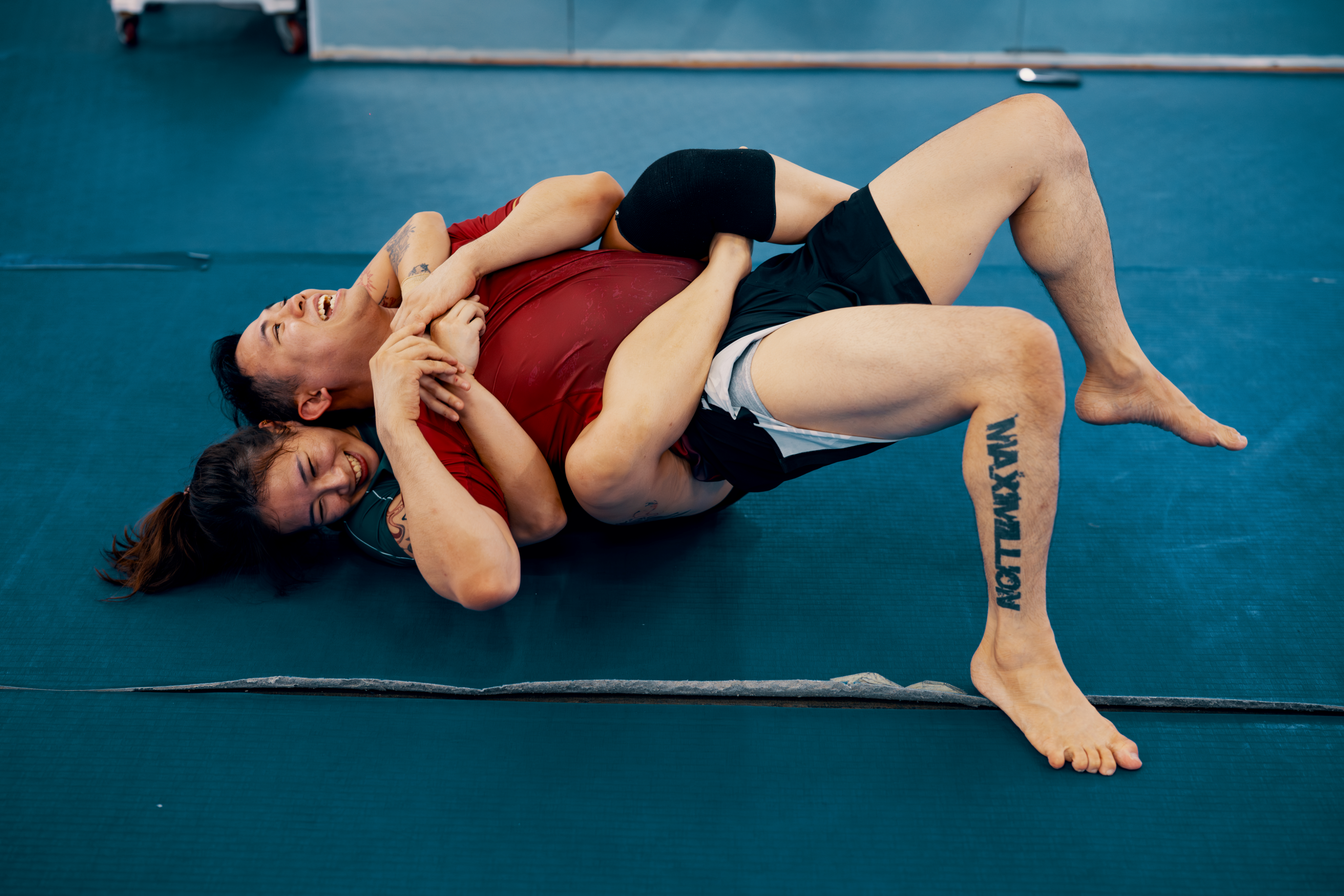
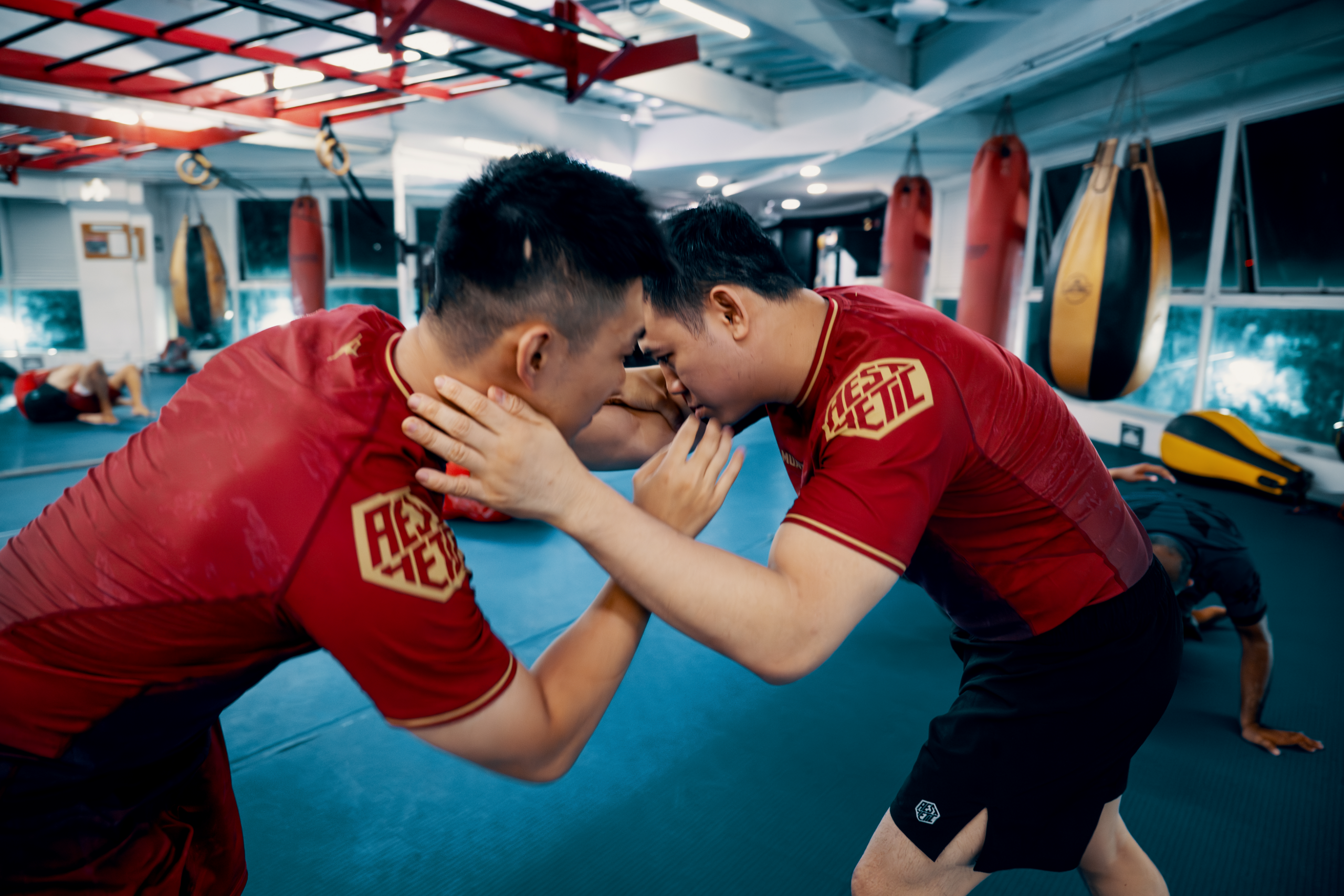
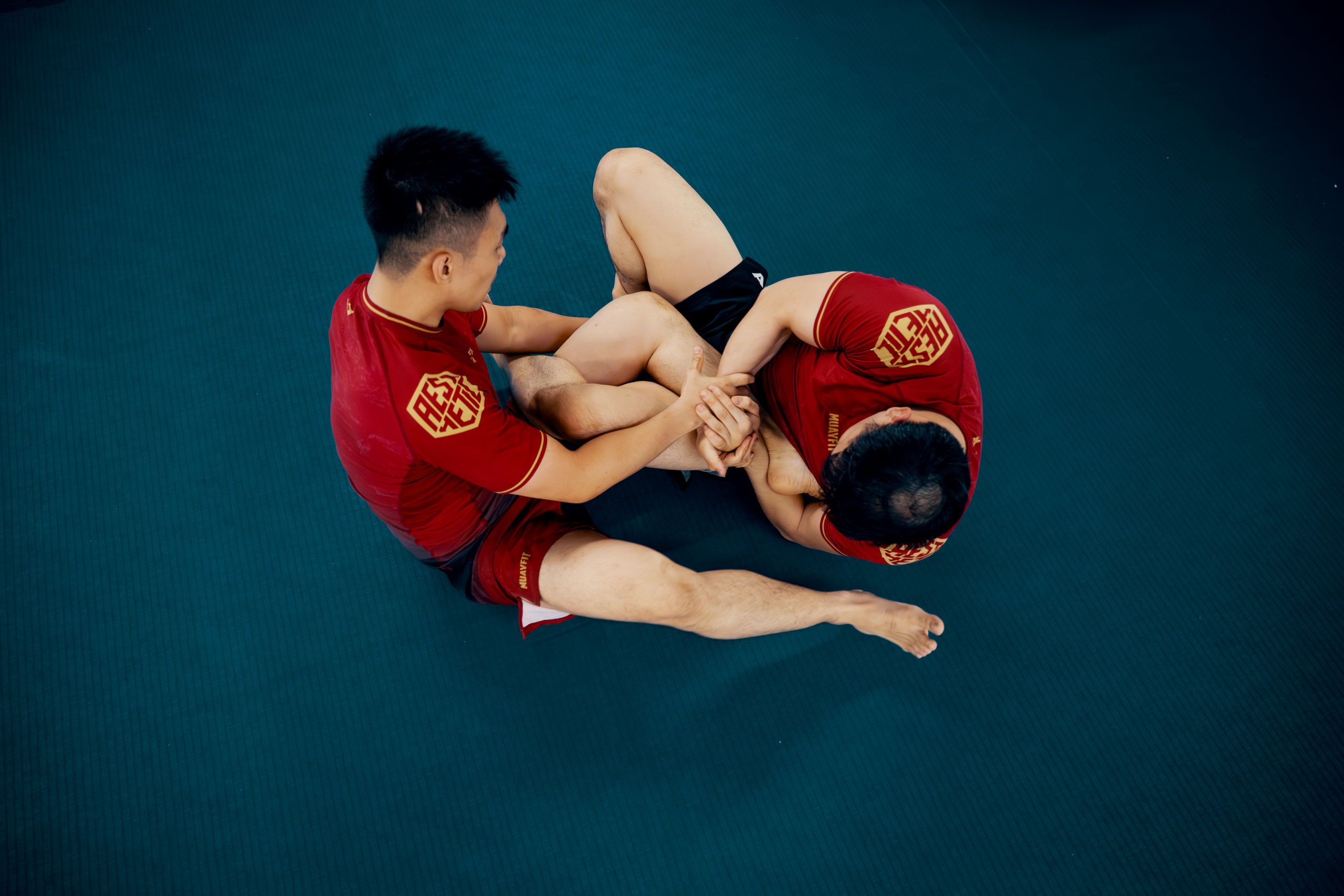
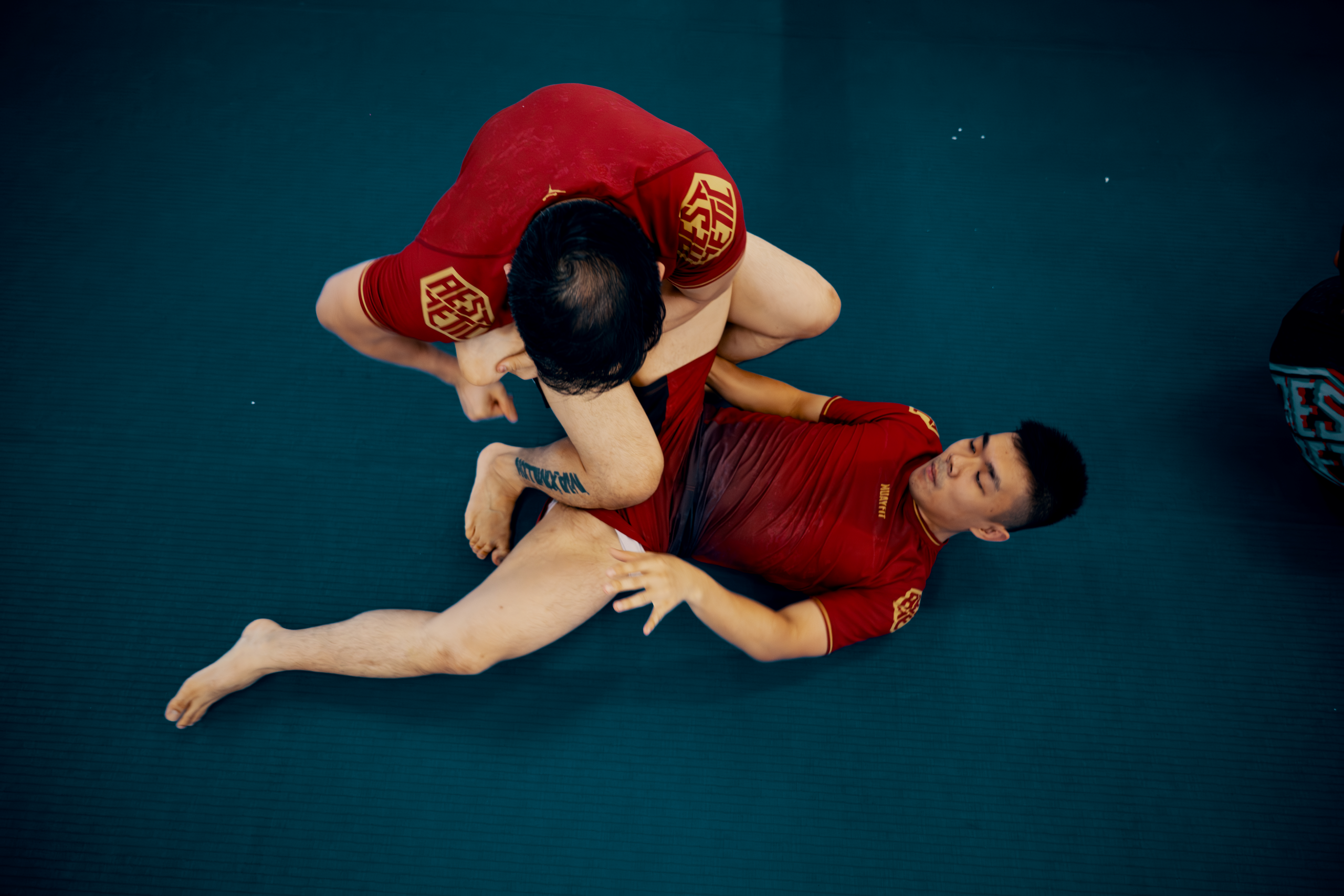

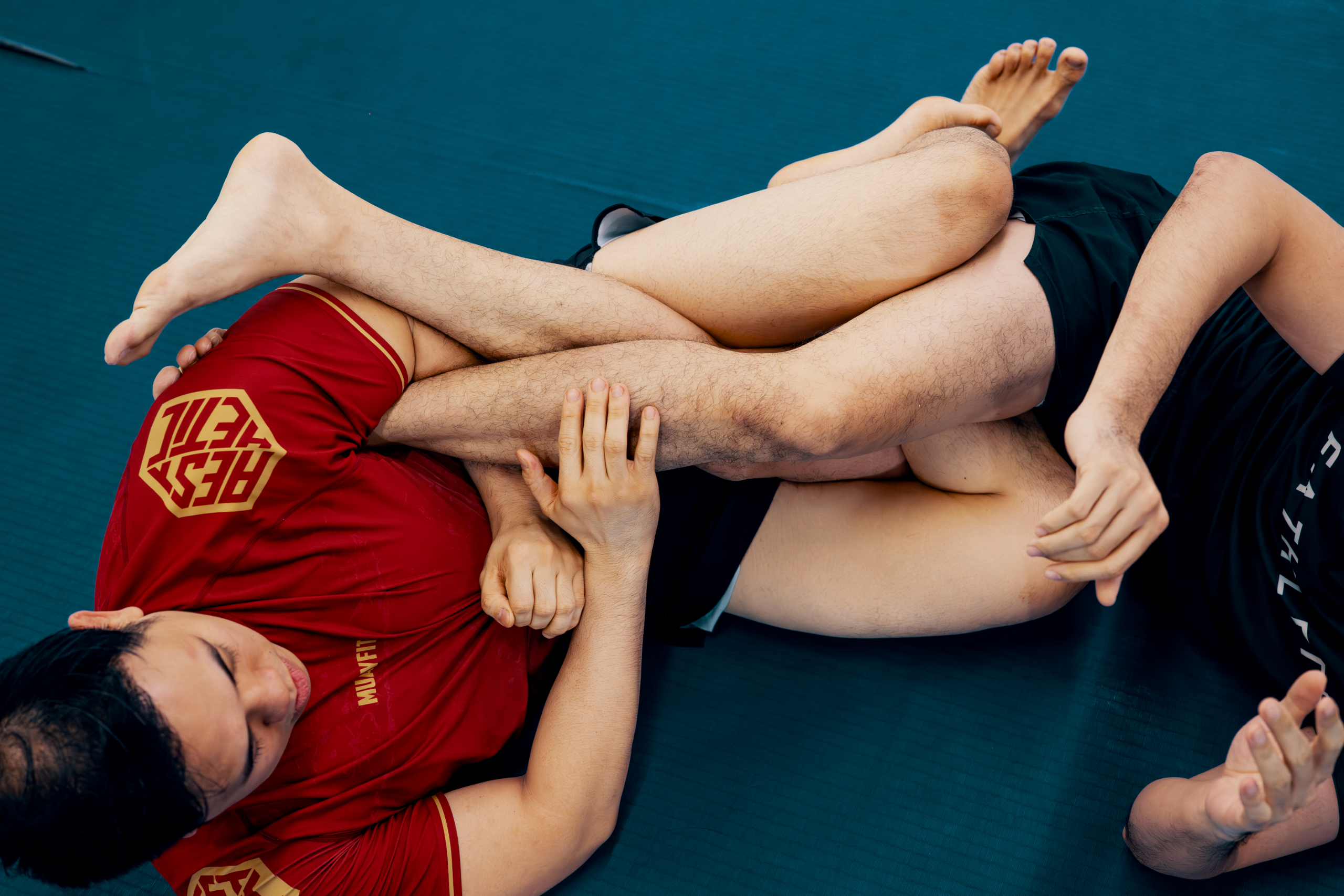
“The reality is that Muay Thai is currently the highest paying sport at the moment,” Lee says. “I am able to give higher payouts within this sport, despite the amount of publicity that BJJ has been getting lately. Even boxing does better than the grappling sports, and you can see it in the fight purse the athletes command for their respective sports.”
“For Muay Thai, you get better success because everyone, including the coaches, fans, and fighters, is more invested in the system,” he adds. “When you organise a competition in this sport, the fighters know how to make people want to watch their fights. The fans are willing to pay for tickets and pay-per-view streams. Everyone is just willing to be part of a bigger whole, instead of watching from the sidelines.”
Despite what the ecosystem can provide, it is still an unpredictable beast. “Every time I organise an event, I’ll never know if that will be the one that finally puts me out of business. There’s no way of controlling everything. All I can do is execute what I need to, to the best of my abilities, and let fate take care of itself.”
Thankfully, providence has allowed Lee to continue on this path, as he’s yet to come across any major loss. This was evident in his latest event held in Genting Highlands last December, with all of his VIP tickets being sold out within six weeks.
Taking into consideration the drive that’s needed to get to the venue (at least an hour’s drive from most of the central areas), generating this amount of sales is no small feat. So Lee must be doing something right, right? Maybe, maybe not. But one thing’s for certain, Lee is creating an environment that fighters want to be a part of, and that, in turn, contributes to the ecosystem.
“I do everything by the book. Because what’s going to stop me from appointing a biased referee otherwise? Through the approvals we obtain from the Sports Commissioner, we get to involve a third party to help with any disputes or evaluations. That gives fighters confidence that we take their welfare seriously, which in turn inspires them to perform better, which leads to putting on a better show.”
Unlike many local fight promoters, Lee focuses on the experience instead of just the bottom line. For example, he’d booked 80 nights’ worth of lodging at Genting’s many hotels just to house the fighters and production crew throughout the weekend.



Lee also ensures MFN embraces the art of storytelling, positioning the fighters as the multi-faceted people they truly are: athletes who are looking to make something out of their passion, while putting their bodies on the line, instead of random people with boxing gloves on.
The goal here is to be the changing force in the industry. It’s not like the industry hasn’t changed since I personally sought out martial arts gyms in the country—we’ve come a long way since then—but Lee, who had also grown up at a time when competition gyms were scarce, knows how much better the Malaysian scene can be.
“We have big-scale events like the one we held in Genting, but I also aim to host smaller competitions throughout the year to put the focus on more amateur fighters,” Lee says. “Because the amateur level is where all greats come from. That’s why I don’t want to neglect this demographic.”
Those words can’t ring truer. Because who knows where I’d have ended up, had I had access to platforms like Lee’s when I was growing up? Part of the reason why I gave up on my dreams of being a fighter was that there wasn't even an avenue to pursue. And even if I had a path to follow, I would still have to navigate the ups and downs of the sport.
There is a line that needs to be drawn here, however. Because when it comes to the fight business, you either put on a good show, or you nurture the next generation of athletes. Even when it comes to the gym’s business model, you can either adopt more casual enthusiasts and have your bread and butter, or focus on pro fighters and classes, while sacrificing volume as a result.
“There is this balancing game that gym owners always need to play,” Lee says. “You can focus just on the profits, or you can perhaps take some of that money and pay it forward to promising athletes. I’m constantly adjusting where that line is. I only have one absolute: If it is a moral decision, I will always choose to do the right thing, no questions asked.”
It’s heartening to know that while the door to my fighting dreams may be closed, people like Lee are still around to open it for others. Perhaps it will be up to him to execute what he plans to, just so that he can give all combat athletes in Malaysia something I never had, and that is a fighting chance.

Esquire Malaysia
©2026, Heart Media Pte Ltd
