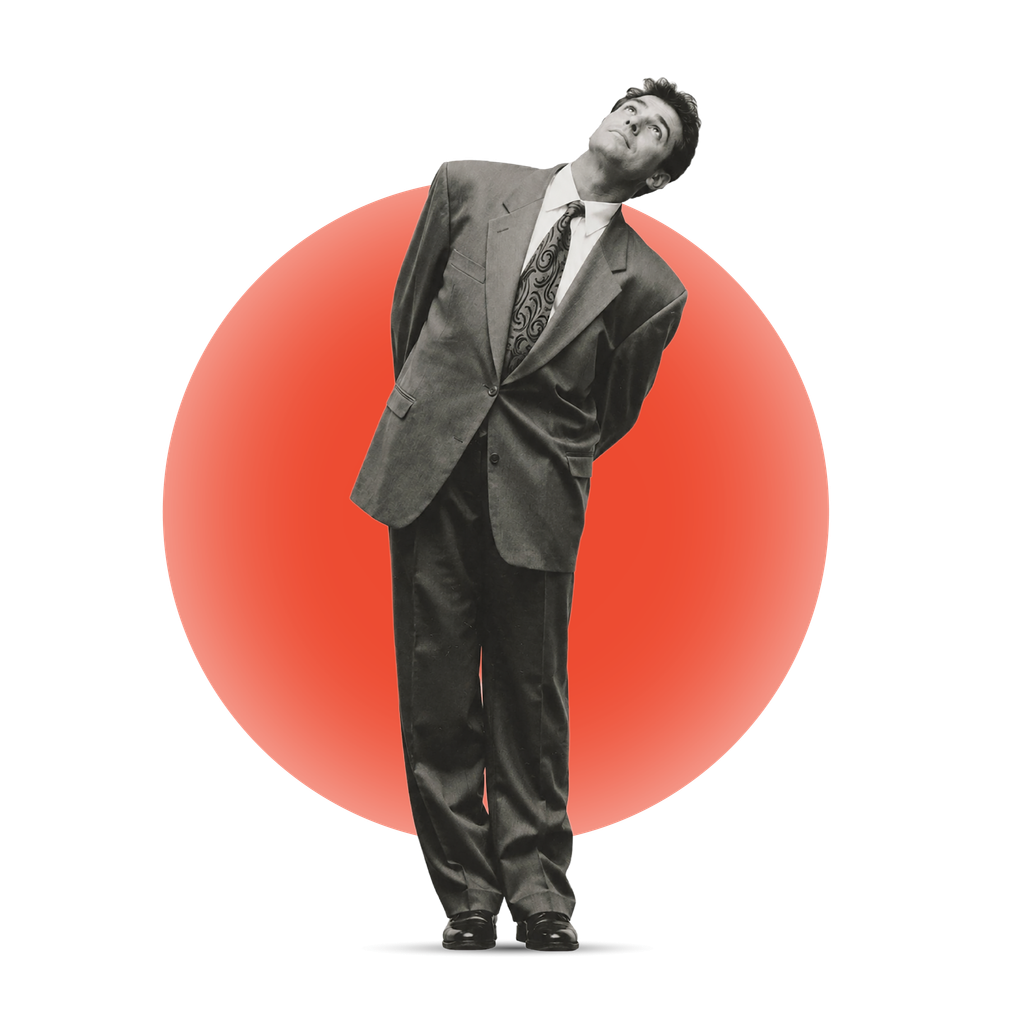
A good suit is one that fits you—yes, you—specifically.
How well it fits is very much a mark of refinement, projecting the care and effort you put into your life. Drowning (or bursting) in an ill-fitting suit makes you look and feel uncomfortable, and so it makes other people uncomfortable too.
Of course, the best way to buy a perfectly fitted suit is to find a good tailor and have a bespoke suit custom-made to your exact measurements. But that’s not always possible: maybe you’re a first-time buyer and have a limited budget; maybe you’re looking for something quickly for an event that’s coming up.
We’re here to help stretch that budget and set you up for success as you hunt for a killer off-the-rack suit.
If you’re new to suits, here’s a quick checklist on terminology to keep in your pocket.
A suit is a set of matching jacket and trousers. If you add a matching waistcoat (vest) it becomes a three-piece suit, which levels up your polish and formality.
Fabric for suits can be of any material but the most conventional are wool and wool blends, which are versatile in their formality, and linen, which is usually worn for more casual occasions.
Patterns for suits most commonly include stripes, checks and herringbone.
Off-the-rack or ready-to-wear are clothes bought “off the rack” at a store, as opposed to a bespoke suit made uniquely for you by a tailor. Something in between the two would be made-to-measure, where a store sells a fixed pattern that is fitted to your measurements.
Single or double-breasted refers to where a jacket overlaps when buttoned. Single-breasted jackets have only one column of buttons, while a double-breasted jacket has two columns of buttons resulting in a wider overlap of fabric looks more structured.
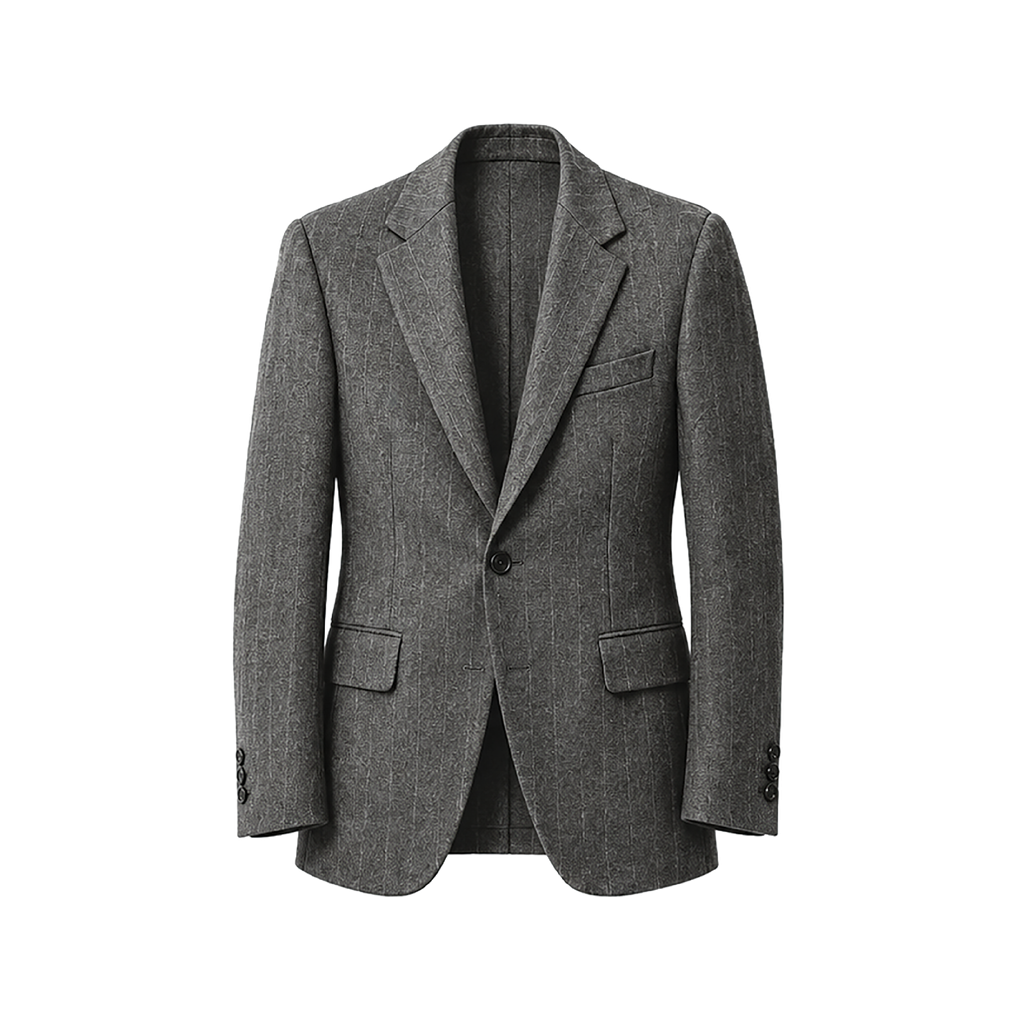
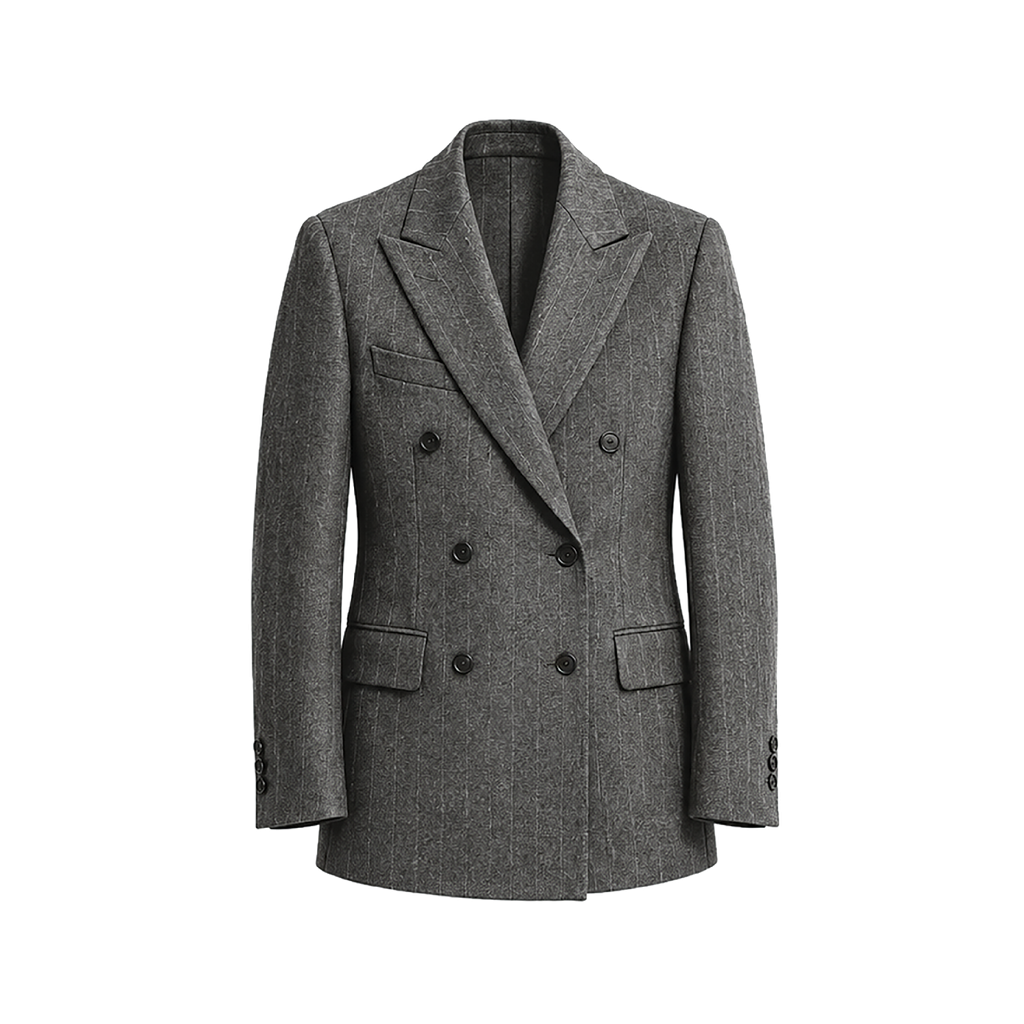
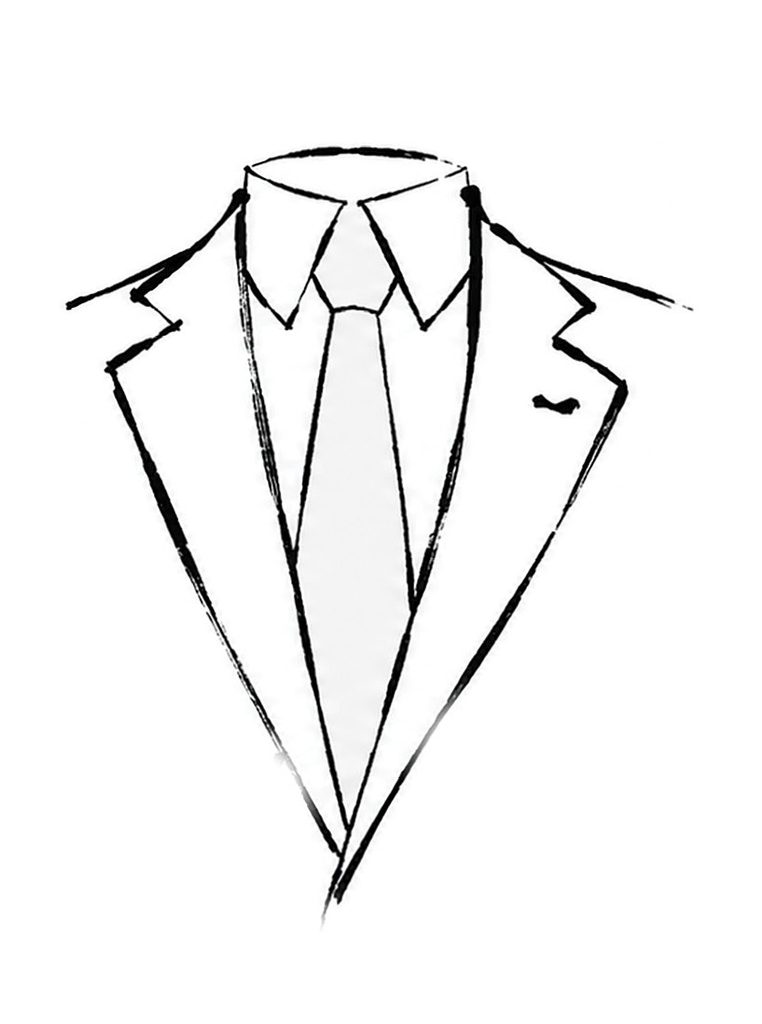
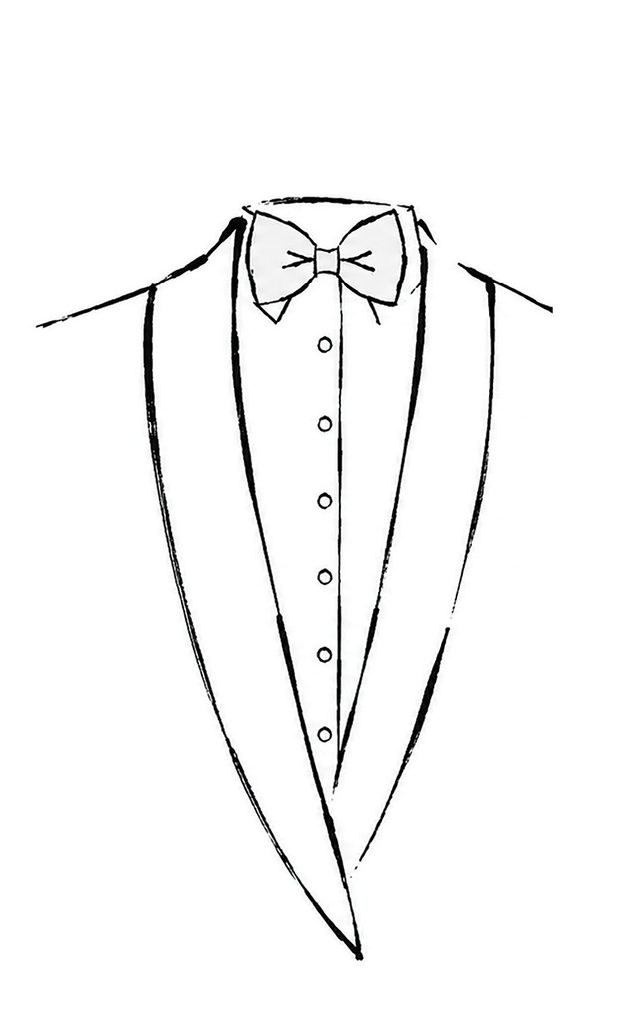
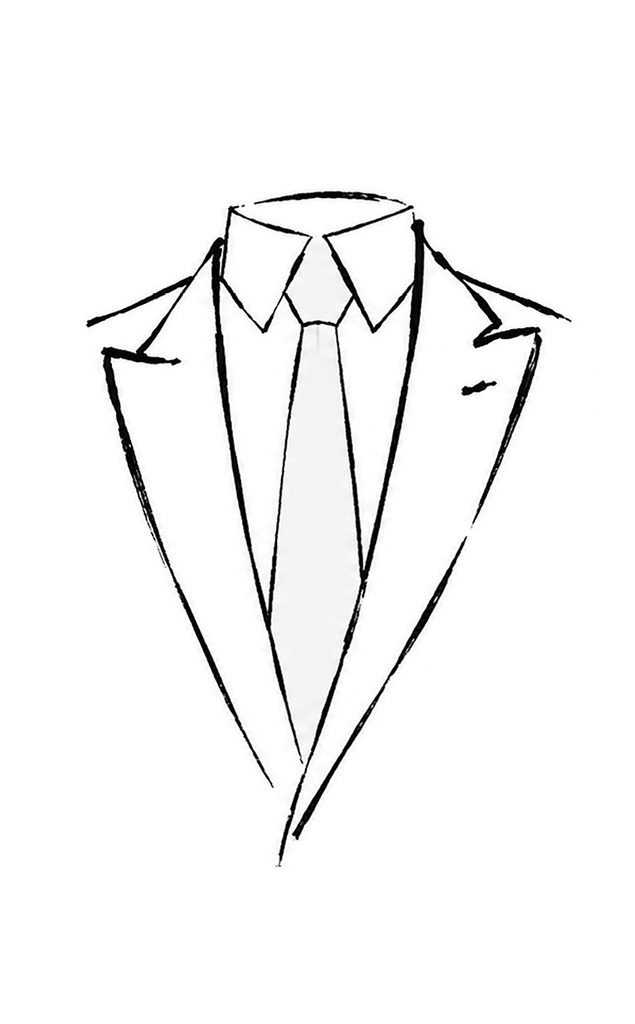
Lapels have three basic styles — the notch, peak, and shawl. The notch is the conventional lapel style, while the peak makes a statement with the lapel pointing upward, and the shawl style is a smooth lapel with no angles, used for formal evening wear like tuxedos.
Start with ensuring that the shoulder width is right for you. The shoulder seam should line up with where your shoulder ends.
You will soon learn that even when you get that right, different jacket patterns will drape differently on different bodies. So move your arm around to identify how well the jacket suits your posture and arms.
Look out for unwanted bunching at the back of the collar. This is an indication of poor fit with your shoulder slope.
Also: avoid shoulder divots, which are unwanted dents and folds that occur at the top of the sleeve where it meets the shoulder seam. This happens when shoulder pads are too wide or if the armholes are too tight.
Shoulder fit is the most important to get right. It is the hardest part to alter for a tailor and even if they do accept it for an alteration, it’s going to cost you more than you probably budgeted for a ready-to-wear jacket.
Avoid tight-fitting jacket waists. If it feels uncomfortable, it’s going to show.
A good fit on the waist area is when you can comfortably slide your hand flat between your stomach and the jacket. More than that, and you start losing the intended silhouette of the suit.
Most tailors can alter the waists of a jacket to slim it down, but rarely will there be enough material to expand it. So always err on the side of oversized rather than undersized if you have to.
With your arms down, the sleeve length of a jacket should show 1/2 to 3/4 of an inch of your shirt cuff.
If the sleeves are too long, check if the sleeve buttons are functional buttons or superficially sewn on.
Tailors are more open to altering sleeves with superficially sewn buttons because it can easily be cut from the cuff end and the buttons sewn back on.
By contrast, functioning buttons, also known as a “surgeon’s cuff”, adds more difficulty because the buttons cannot be easily moved and alteration would require cutting from the shoulder end instead.
The remaining jacket details are subjective style choices that we encourage you to explore if you have the time.
But TLDR: for a versatile jacket that will fit the widest range of occasions, pick a notch style lapel with a conventional width, minimal shoulder pads (if at all), and keep it single-breasted.
This should allow enough flexibility for the jacket to be worn for work, weddings, and even be paired with different trousers for a more casual outfit.
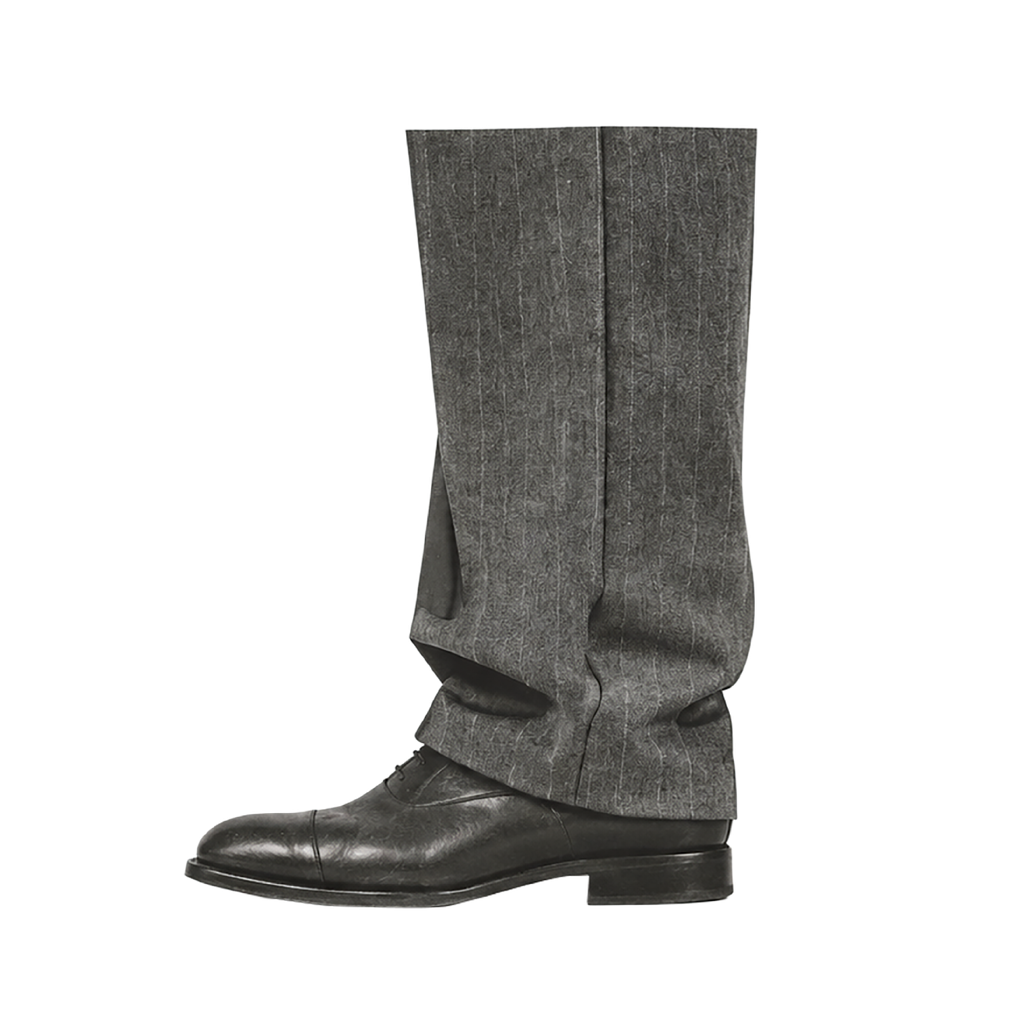
At the bare minimum, you want to pay attention to two aspects of the trousers. The rise of the waist and the length of the leg.
Avoid low-rise trousers. They do not pair well with a jacket, creating proportions that make your legs look shorter. Stick with mid- or high-rise for a classic fit.
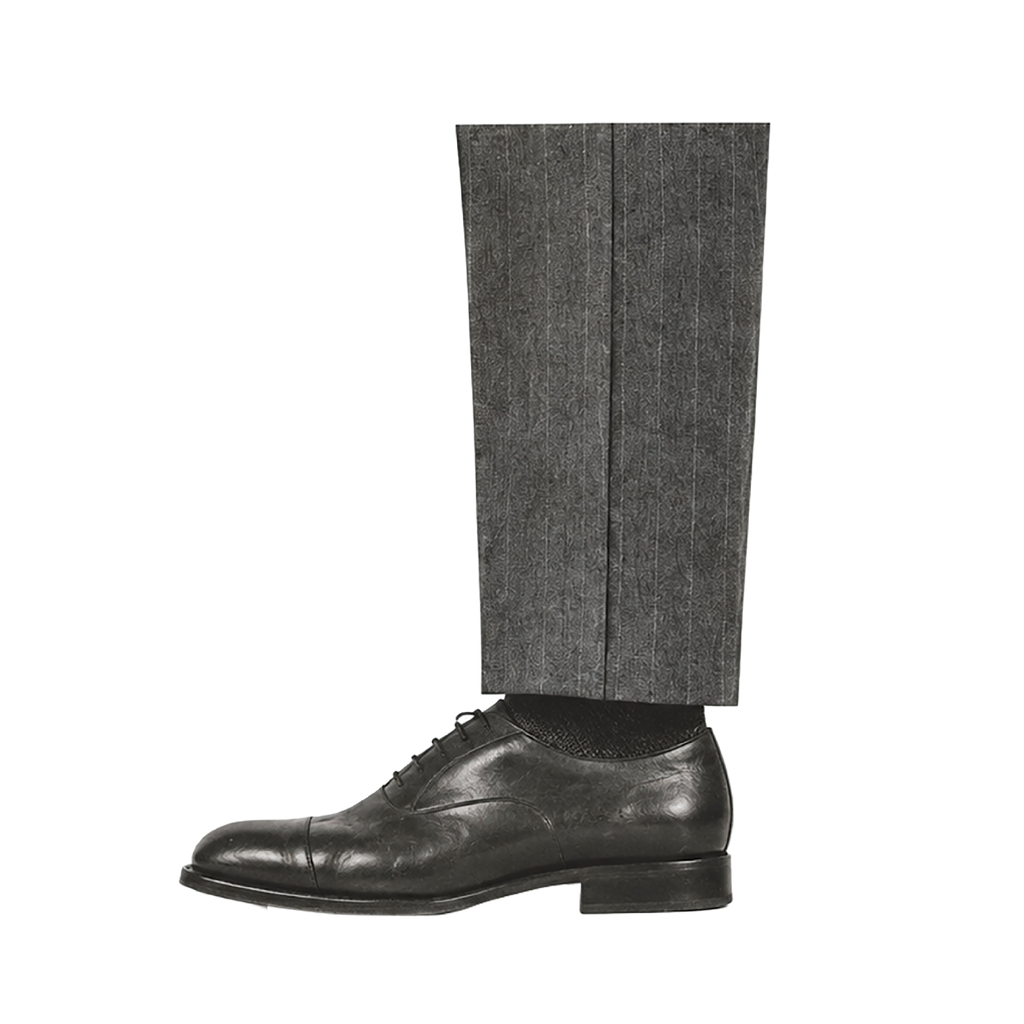
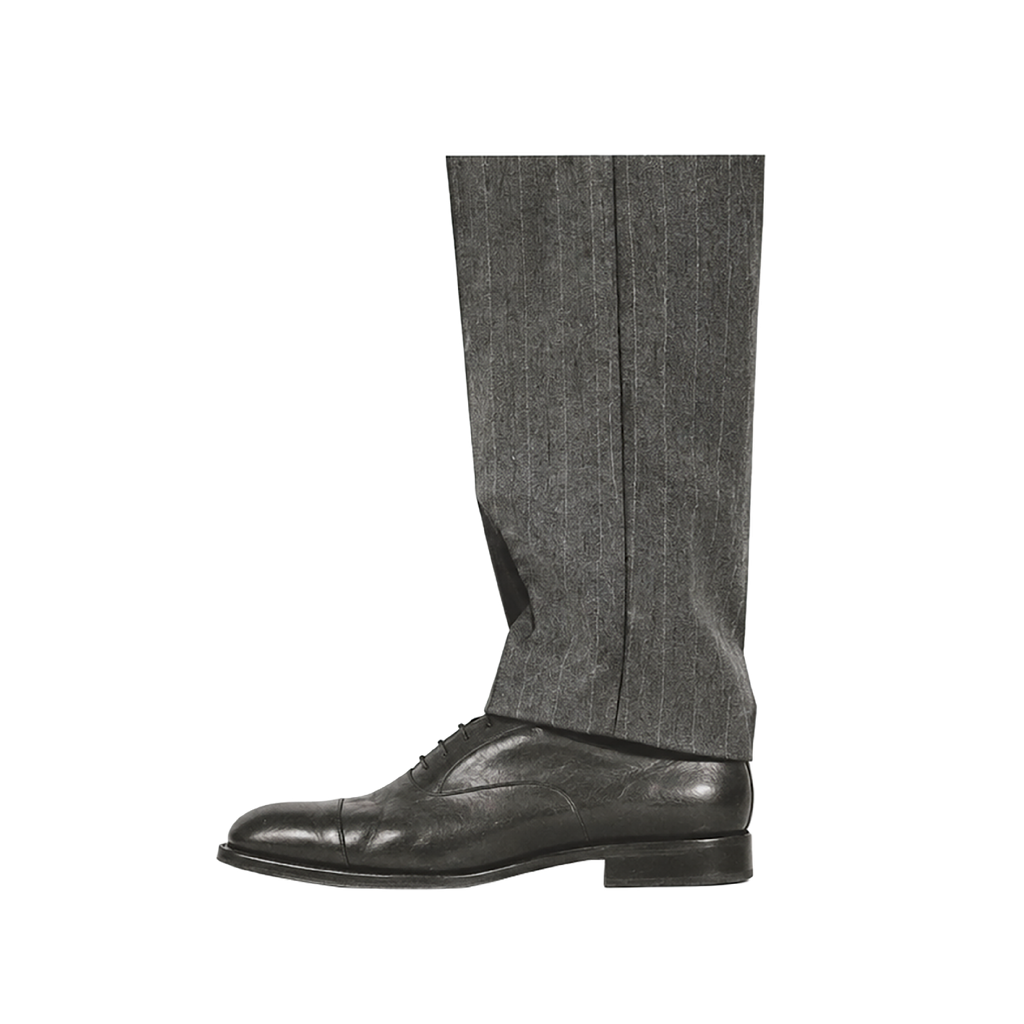
As for the length of the leg, you should stick to a “half break” if you do not have an existing preference for trouser length. This is when the trousers rest lightly on the top of the shoe, with enough drape to create a slight crease at the front of the ankle.
Stores often sell jackets and trousers in separates, which is great for trying on different sizes.
If you have time to look carefully, you can also hunt through the racks of your local thrift or vintage store—nothing beats the feeling of finding a steal.
On the other hand, don’t be intimidated by specialist menswear stores either. Their knowledgeable staff are ready to help a first-timer.
So go forth and explore in your search for the right fit.
According to Vincent Siow, founder of Vestio Bespoke:
“If you have one suit in your wardrobe, a navy suit is the one to own. It’s incredibly versatile, you can wear it to work, weddings, formal occasions, or dress it down with a polo or have the jacket paired with jeans.
Choose a good-quality, breathable wool that works well in our climate, and keep the styling clean and timeless. A great suit should be something easily incorporated in your daily wardrobe which you will reach for again and again.”

Esquire Malaysia
©2026, Heart Media Pte Ltd
