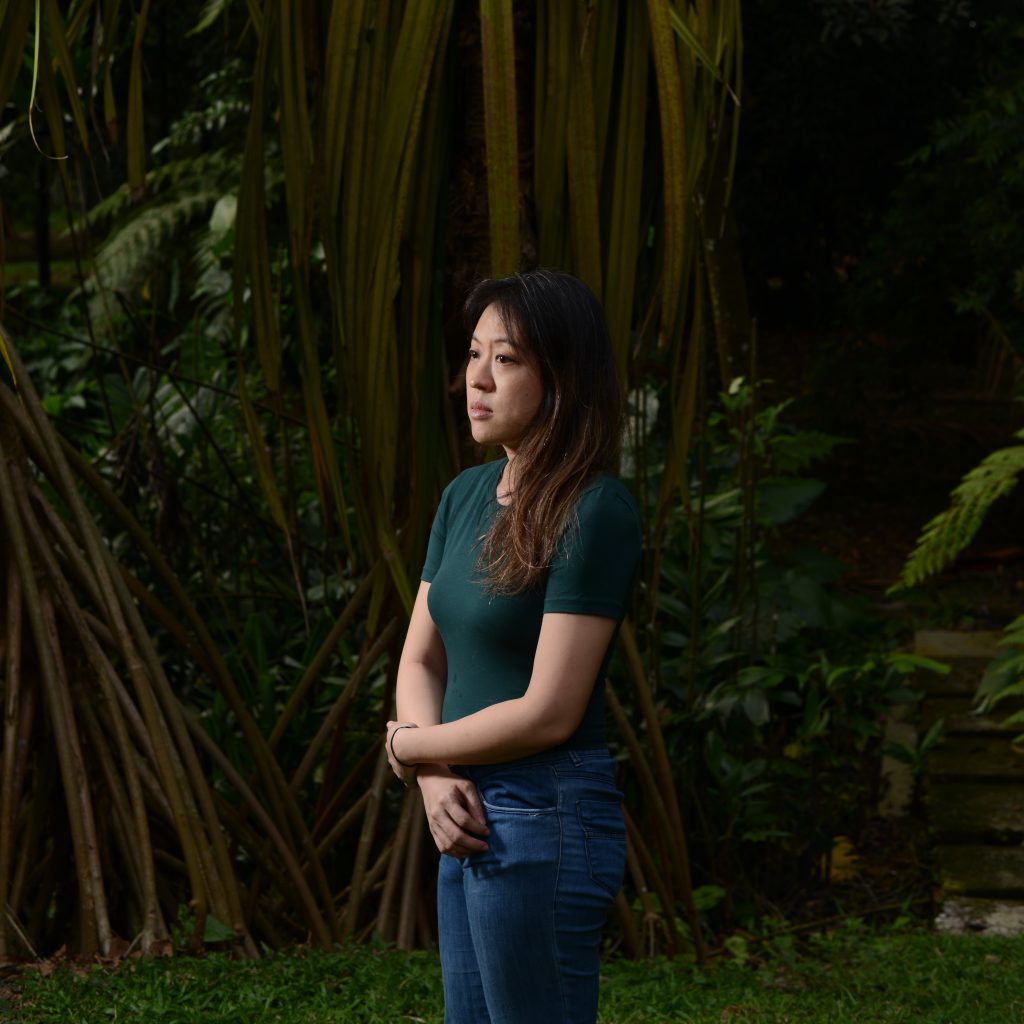
Honouring Esquire's tradition of publishing culture and literature, How I Wrote It is a monthly series that puts the writing process front and centre. Each edition invites a writer to speak plainly about how a specific piece of work came together.
This issue features Wan Phing Lim on the making of Adorable, her second short story collection. Written over the course of a year, Lim walks us through how it came together, her writing routine at the time, and the research that shaped it. She also reflects on her shift towards the magical realism genre and a more confident, experimental voice.
The house called Adorable clings to the side of the road and sticks out like an appendage at the bend. Boy cycles past it, feeling an excitement, a fear, a trembling. He remembers his father’s words: ‘Humans are light, but ghosts are heavy.’ Suddenly he feels a weight, but he doesn’t dare turn around. He pedals harder, sweat dripping from his chin.
The girl from Adorable was thirteen when she hung herself, his age now. Boy doesn’t want to die. There is still so much he wants to do: Join the army in Vietnam, fight against the Americans. He has yet to meet his hero, Osamu Tezuka, creator of Mighty Atom and Astro Boy. How heavy can a teenage girl be? Boy pedals harder and feels the heat, even though the wind is strong and the moon is out.
* * *
At their double-story home in Springtide, his mother makes crab porridge for dinner. Boy hates crabs and seafood, but he doesn’t say so. After their meal, he sits on the couch watching television with his father, brother, and sister. His brother is off to university, his sister is applying for a scholarship. A boxing match is underway, Sonny Liston versus Cassius Clay.
Boy looks at his father, who looks blankly at the screen. The lines on his face grow with each business idea that goes through his head. Boy’s father speaks Japanese, but Boy doesn’t know how or why. His mother says it is nothing to be proud of. His fifth aunt, Aunt Kathy, had once called him ‘sympathizer’. Boy had understood none of it, except that he loved Osamu Tezuka and wanted to meet him someday.
Boy’s father is no scientist or doctor, but he sells science equipment to schools and so is very much like Doctor Tenma. In that way, Boy’s life is in parallel with Astro Boy’s.
* * *
Morning. Milo and eggs and two slices of bread and then off to school. In class, Boy tells Raju, Dennis, and Seng about Adorable. They huddle around his wooden desk. The fan spins slowly in the late morning, and Brother Noel, harping on about LCE, LCE, LCE, leaves the classroom in his white robe, cane in hand, collar so tight it must be itchy and choky.
Boy’s friends laugh but already they are adding their own ‘flavours’ to the story. How heavy was your bike last night? Was it a full moon night? She could have been sitting at the back. Did you turn around to look? If you smell a fragrant flower at night, don’t say it smells nice. The house was named after her. She was the owner’s daughter. She was the caretaker’s daughter. There are drug addicts in there. No one knows the truth, and the more the story is told, the harder it is to know.
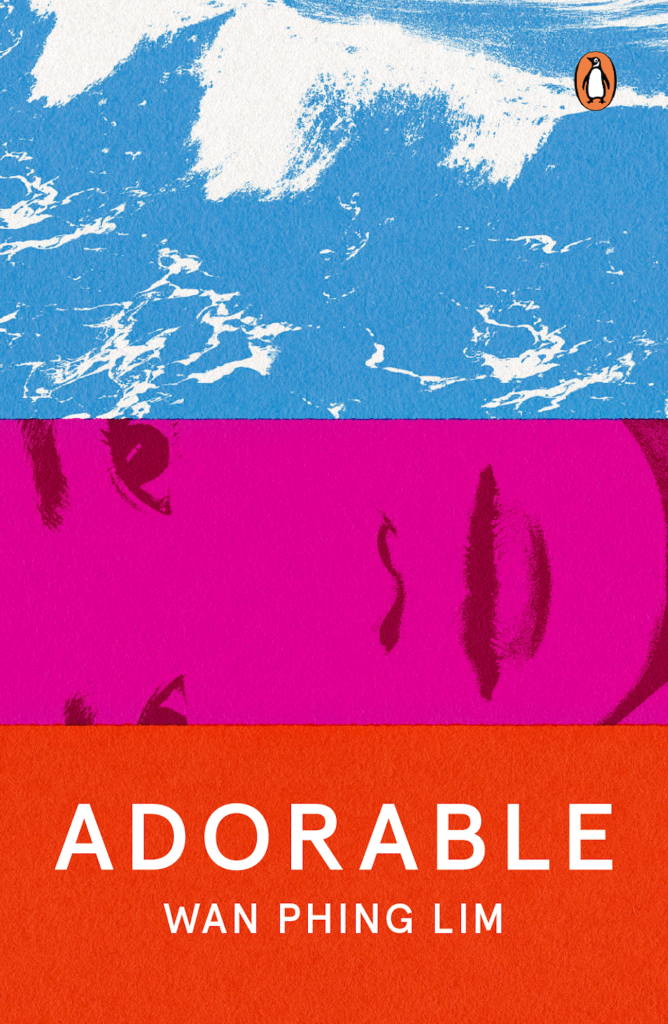
My first short story collection, Two Figures in a Car, was very realistic. I started writing it when I was 29, and it took about eight years. Half of the stories were set in Singapore, where I was working at the time. It was a modern, contemporary piece, based on what I was seeing around me as a young working adult. For my second collection, I went back to my childhood. My teenage years, around age 14 or 15. It was put together in one year, which is actually quite short.
Adorable also veered towards magical realism. I'm not a fantasy reader. I don’t really like the genre. Horror and fantasy, however far you go, still have to be based on real life. I wasn’t going to go too far out to the point that it becomes unbelievable, nonsensical, or absurdist. At the heart of it, I’m still a literary writer. With this collection, I was just pushing the boundaries a little bit. There are a few stories that are not fantasy or magical realism at all: ‘Parasite’ and ‘Leg of Lamb’.
This collection is more abstract, but I hope readers will still get it. I want them to question their reality, not in a supernatural way. I want them to think about why people act the way they do. If someone is acting up, what’s behind that? It could be their upbringing or the challenges they face every day. You meet someone, and you just don’t know what’s going on underneath.
In all my stories, I create characters who are troubled, questioning, and under some pressure in life. That’s one of the joys of reading. It’s not just a form of entertainment or escapism, but reading creates empathy. That’s what I want as a writer, to let people know what’s going on in their hearts and minds.
Besides the genre change, I would definitely say I'm more confident in my writing. I feel freer to express myself and experiment. I think that's how you grow and change as an artist. In my first collection, I was very angry. Whereas with this one, I had grown more mature.
I’m not the Haruki Murakami type, who wakes up at 6 am, or the Stephen King type, who’s very disciplined. My routine was in response to calls for submissions. Every story was written for a specific magazine. It had a theme and a deadline, so that was how I was able to push them out. Some of them were published, some were not. After entering 10 competitions, I had 10 short stories I could put together for my publisher.
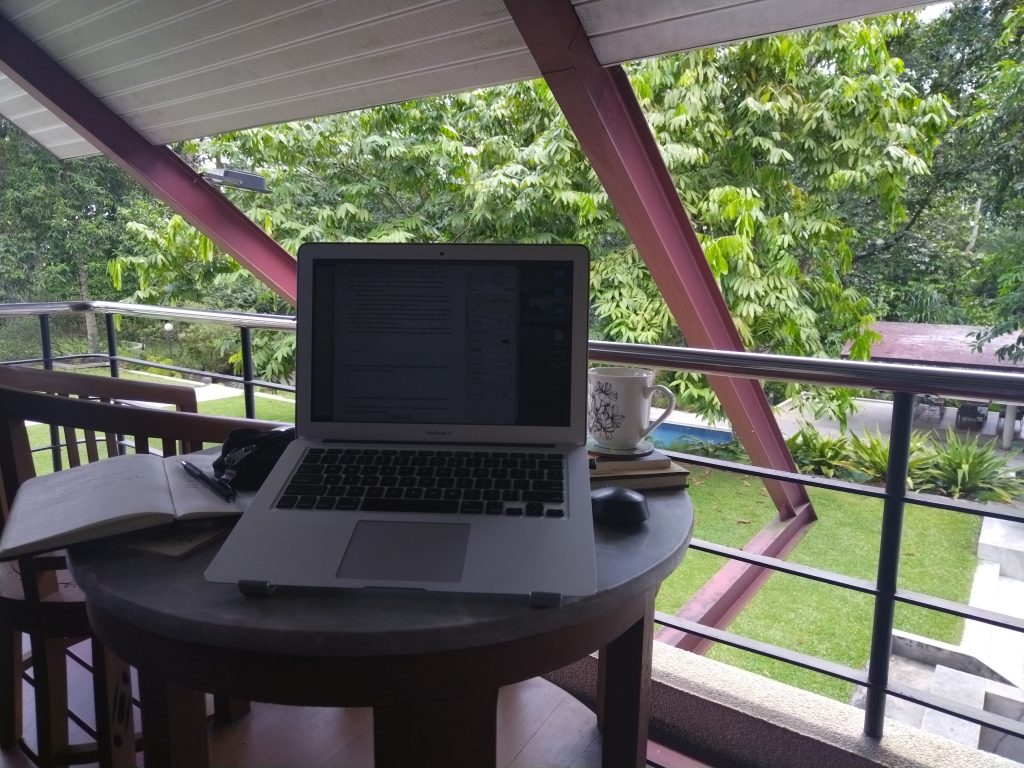
I'm definitely not a morning person; I'm a night owl. I would go to the mall, have dinner, then find a café. I write better in public areas because having people around me, as white noise, gives me accountability. I used to go right after work at 6 pm. I can sketch out a whole story in one sitting in about two to three hours. Once I've done that, I let it sit for 24 hours and then work on it the next day.
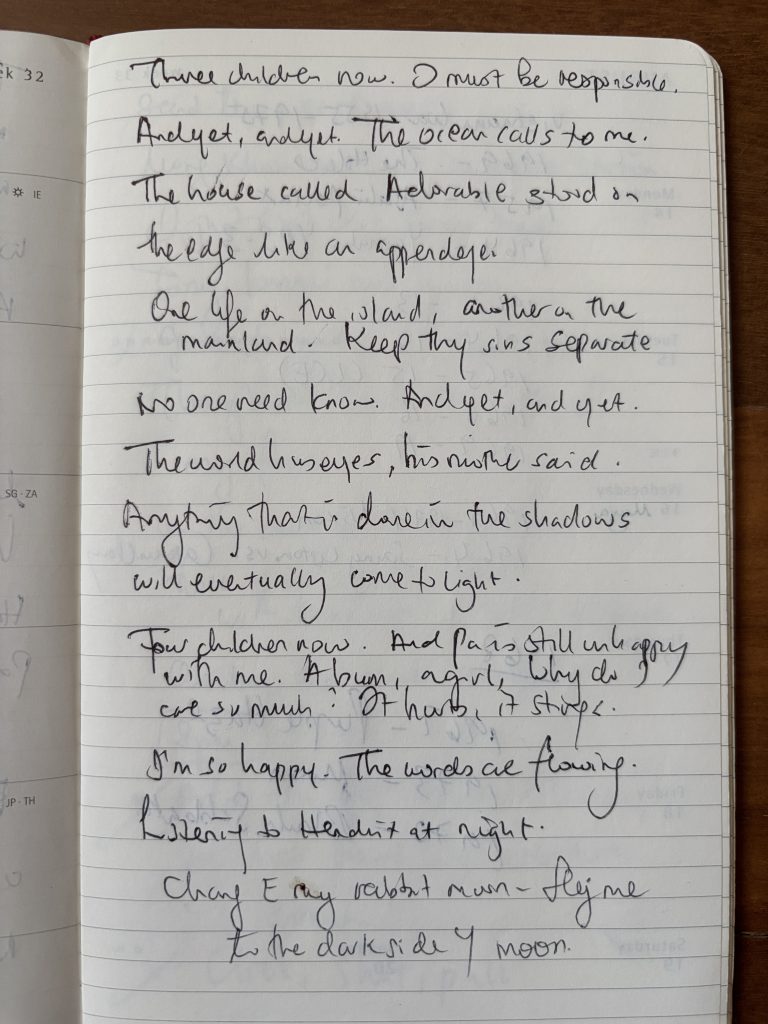
For my second collection, I wrote a lot by hand. I sketched out some ideas and dialogue on pen and paper in a notebook. It's quite strange because I usually write on my MacBook Air in Pages. After that, I’d transfer it to Microsoft Word and then spell-check it in Google Docs.
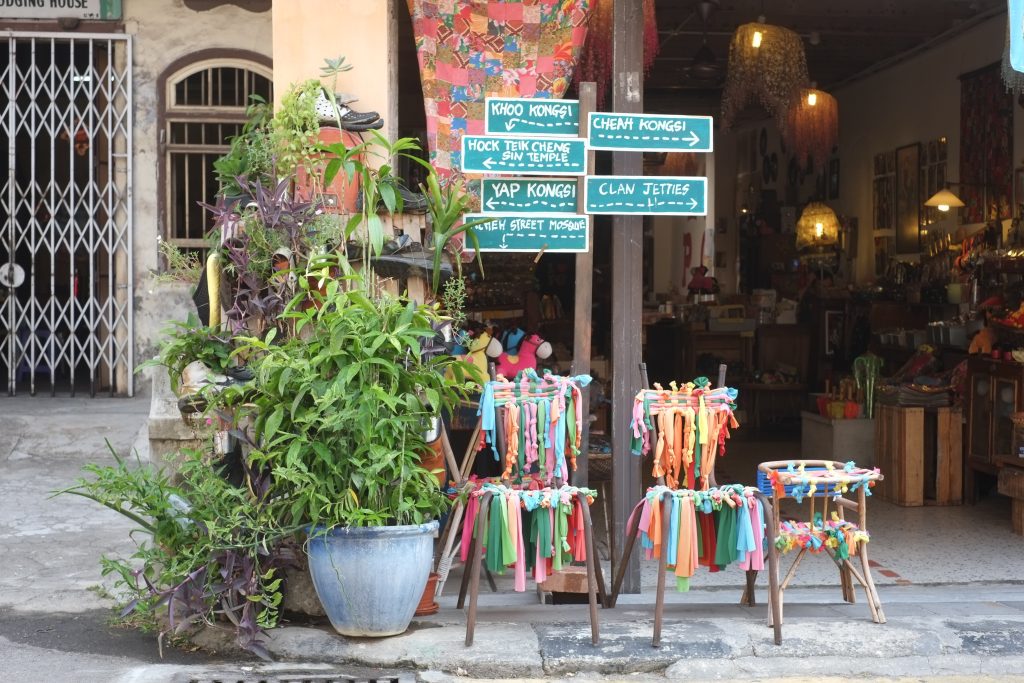
It’s real-life experience, along with online research. I've put a lot of my knowledge into fiction. I'm also a features writer with a local magazine in Penang, so I've done journalism, including speaking to Taoist funeral practitioners.
Taoist funerals are something I’ve observed because of my mother's side of the family. Most Chinese people in Penang are still Buddhist or Taoist, and it’s all mixed up. I also grew up in a Christian family, so I suppose being Chinese and Christian is quite hard because you have culture and religion. I've been to a few funerals and noticed some things.
Even with Gen Z, I'm always surprised to see young men praying at the altar at the side of the road in Georgetown. They look like they're 19 or 20. You would think that this was the religion of their old folks. From that observation alone, I have a lot of Eurasian characters in this collection. Many of them are Catholic and very religious, so I just made them all clash.
In the story, ‘Pig's Head’, the boy is Eurasian and Catholic, and the girl is Chinese and Taoist. The boy’s mother is like, “Did you hold the joss stick at this funeral? Because if you did, then that’s the end of it.” These are things I picked up from hearing my own aunts and parents say things like that. I put them all into the story.
About 20 per cent of it is facts. The other 80 per cent is all imagination. The best part about writing fiction is that you have a limitless world, where you can just run off a real idea and make it into something made-up. That's the fun part, you can go anywhere in your mind. If I were writing non-fiction, like a feature piece, then I wouldn’t be able to do that. I’d have to stick with the facts.
This is very important, and I’m amazed nobody has ever asked me. There’s an invisible flow, and we’ve put a lot of thought into it. Ease in with an appetiser first, then the meat, and then the happy ending. It’s very similar to how musical artists arrange their intro, track one, track two, and so on. I grew up in the 90s and watched MTV, so I make many musical references.
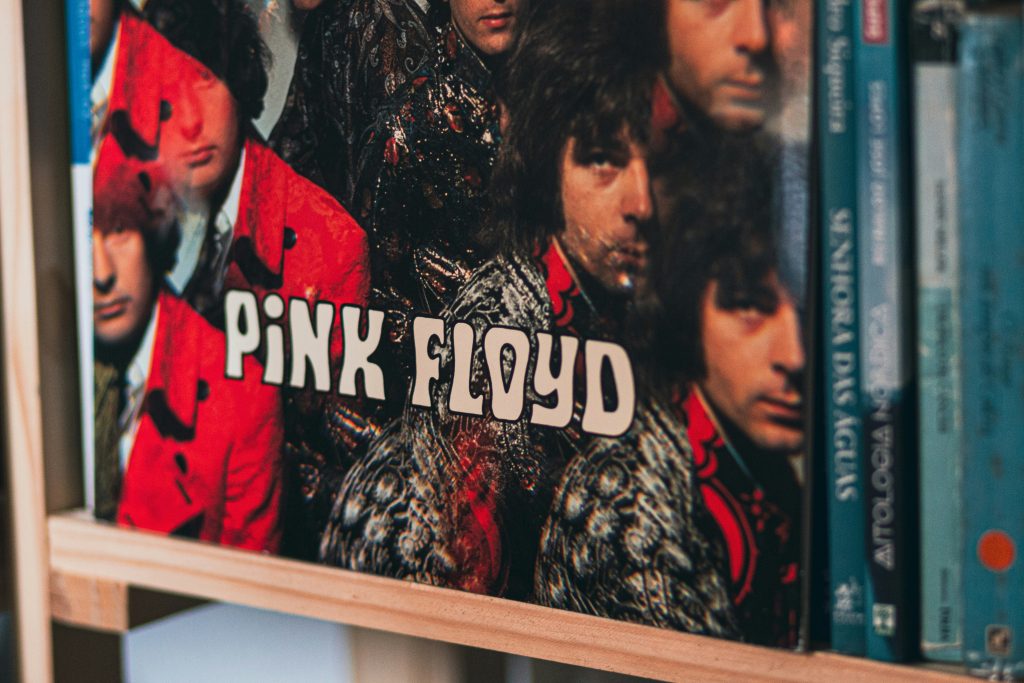
I opened with what I thought was the strongest story, but also because it was set in the 60s. In terms of timeline, it was the only one set in the past. Of course, ‘Adorable’stuck with me the most, but it was based on my father. The boy listens to Pink Floyd and Jimi Hendrix—that's the music my dad listened to on vinyl when he was a teenager. Then I put the more intense, heavier stories in the middle. I thought I’d squish them in the centre, and in my head I saw a bell curve.
The second-to-last story, ‘Come Out and Play’, is the title of a song by The Offspring (an alternative grunge band that I thought was so cool when I was a teenager). I was also inspired by Stephen King’s novel Christine. The premise is about a car that murders its owner. So, I made that happen in my story as well, cars coming to life.

I grew up in Penang and have always been a bit of an outsider. I left when I was 18 and came back when I was 30. I’ve always viewed it in a very romanticised way.
The story that really is me is called ‘Let’s Go and Sit by the Pool’. I wrote it for a US magazine, and the theme was shopping mall horrors. I was going through malls, looking at which ones felt like relics and horror.
The last story, ‘Got Water, Got Mountain’, is set in Paya Terubong. It’s very hilly and quite dangerous. We used to drive around the ridges, and the deep valleys would just come up to your face. I later did some research and found out that the mountain was named after a dragon’s back. So, I thought I could make a story out of this.
Even the geographical setting in Penang is full of mountains, hills, winding roads, and beaches. In Batu Feringghi, I always think an accident is going to happen because I’m quite morbid. Every time I see rocks on the beach, I think there are some snakes in there. If I see a couple sitting on the rocks, I think somebody’s going to fall down, or one is going to push the other. I'm already creating stories in my head.
Wan Phing Lim is a Malaysian author, fiction editor, and freelance writer. She has written two short story collections, and her essays have appeared in Catapult, Straits Eclectic, and This is Southeast Asia. Many of her stories explore everyday life, the macabre, and local traditions. Adorable (2025) is published by Penguin Random House SEA.

Esquire Malaysia
©2026, Heart Media Pte Ltd
