From the advertising industry to architecture, modelling and more, Esquire Malaysia speaks to the creatives who are moonlighting as DJs outside their 9-5. Whether you call it a passion, a hustle, a side quest or simply an excuse for a great hang, meet the night owls and the weekend warriors. Behind the decks one minute, and back at the desk the next.
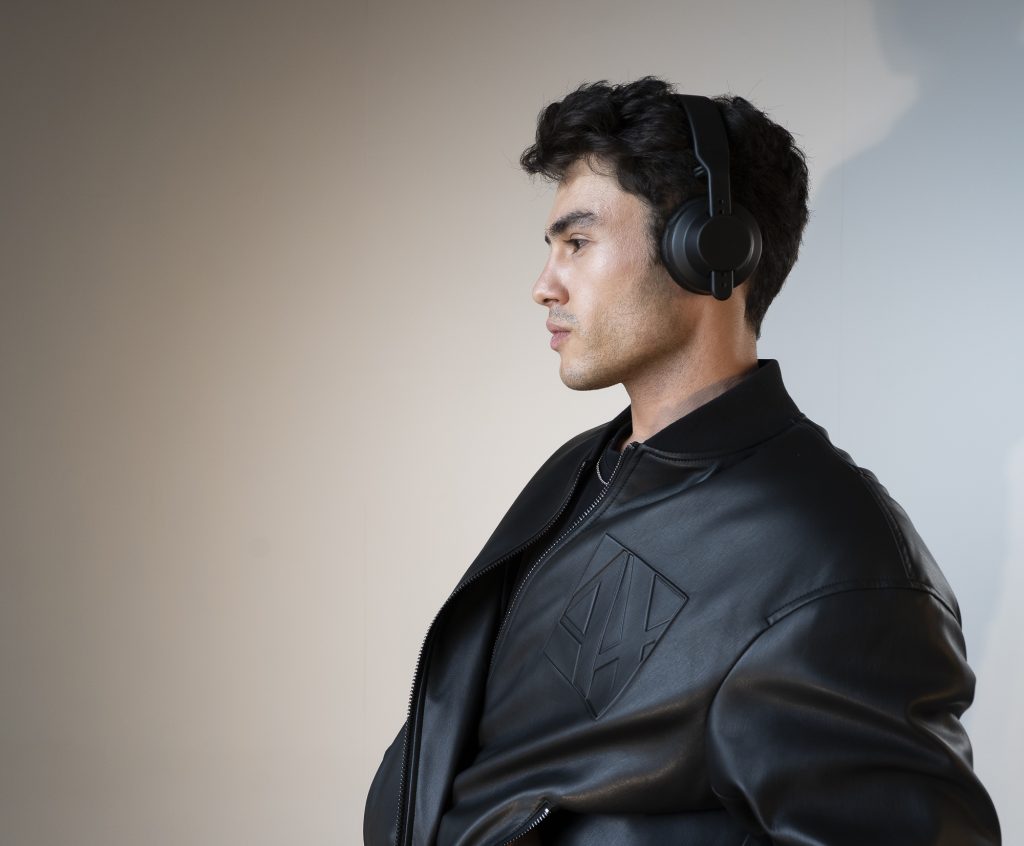
Day job: Model and photographer
Collectives: Joyful Decks and Jambu Jambu Asia
In rotation: Deep House, Techno, and progressive beats. I carefully choose songs based on location, time, age group, and what people seem to need in that moment.
My journey into music began in the worlds of modelling and photography, where my passion for art and aesthetics naturally evolved into a love for sound.
Every morning, I start my day by playing songs or instrumentals that match my schedule, my mood, and even the weather. By choosing the right music, I can literally tune how I feel, and I encourage everyone to try this.
Music has always had a powerful hold on us as human beings, and I’m no exception. I’m in love with melodies, sounds, beats, and rhythms — slow songs that give us chilled vibes and dance tracks that move our bodies almost instantly.
Around 2025, sad love songs became my main soundtrack during a breakup. Even then, music never left my side. It helped me process my emotions, kept me company when I felt alone, and slowly turned pain into strength.
The best thing about being a DJ is knowing that, for a few hours, I can use music to lift people’s spirits—just like it lifted mine—and make them feel truly alive in that moment. My job as a DJ is to make people feel good, help them let go, and create a shared vibe where everyone feels present and connected.
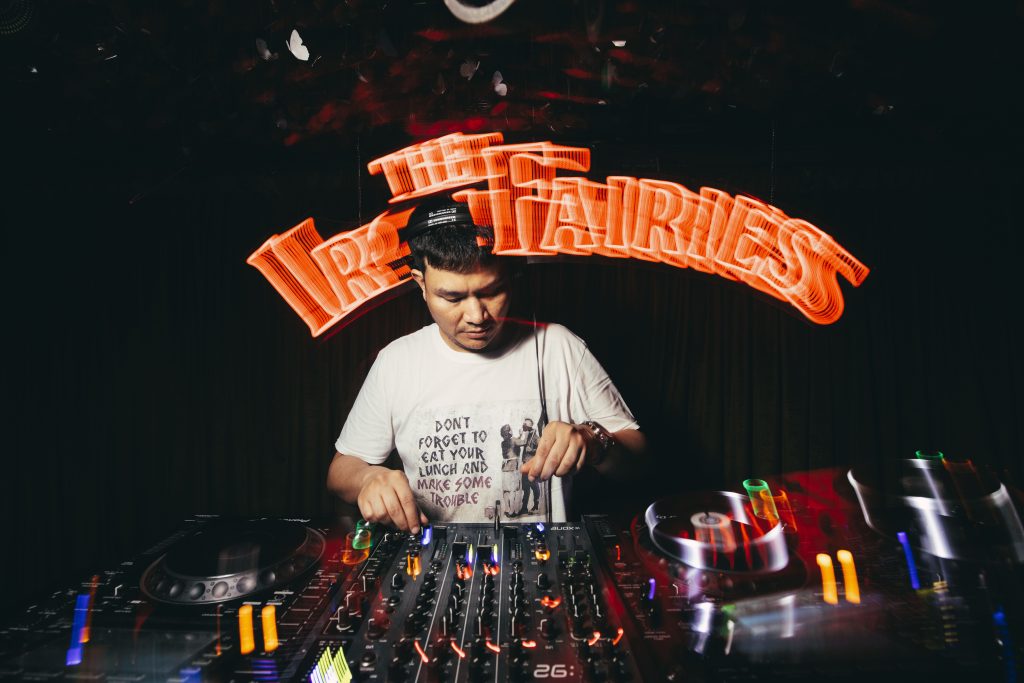
Day job: Owner of a Recording Studio, Decibel Soundlab
Collective: Ohrwurm
In rotation: House and Techno. I play what I love and search for all kinds of sounds along that spectrum, which I know the crowd will enjoy.
I started DJing back in 2000. I’ve always been drawn to music and interested in the club scene.
My cousin, who was studying overseas at the time, brought back his turntables and records. He taught me the basics, but then I realised my dad owned a pair of Technics. So, I just kept practising. It started as a hobby, but once I started collecting my own records, it turned into an obsession.
My day job is running a recording studio, Decibel Soundlab, which offers audio-related services, such as post-production audio for film and TV, or music-related services like mastering or digitalisation.
I also work on the brand Ohrwurm and its music label, Ohrwurm KL Recordings. For Ohrwurm events, we plan monthly shows and book various guest artists each time. The collective has hosted a diverse lineup, including John Digweed, Gerd Janson, Radio Slave, and Amelie Lens.
How do I balance the day job with the gigs? My work schedule is pretty balanced. My gigs are mostly on the weekends, while studio work is normally during the weekdays.
The best thing about being a DJ is creating a shared moment on the dancefloor. Every crowd is different, so the process of reading a room and shaping the energy through music becomes a real-time conversation between you and the audience.
The worst thing? The constant change in the industry. Trends move quickly, so you have to keep evolving while staying true to your own sound. In other words, you have to stay relevant.
One of the most special moments is when I can feel the energy shift. I like building energy gradually, so the dancefloor feels like it’s moving through a story. What matters most is the groove and the journey of the set.
I remember nights when the room was completely locked in — every transition was on point, the crowd response was unbelievable, and the energy just kept building. But when you can pull that energy down, and the crowd still stays with you, that’s when you know the connection with the audience is real.
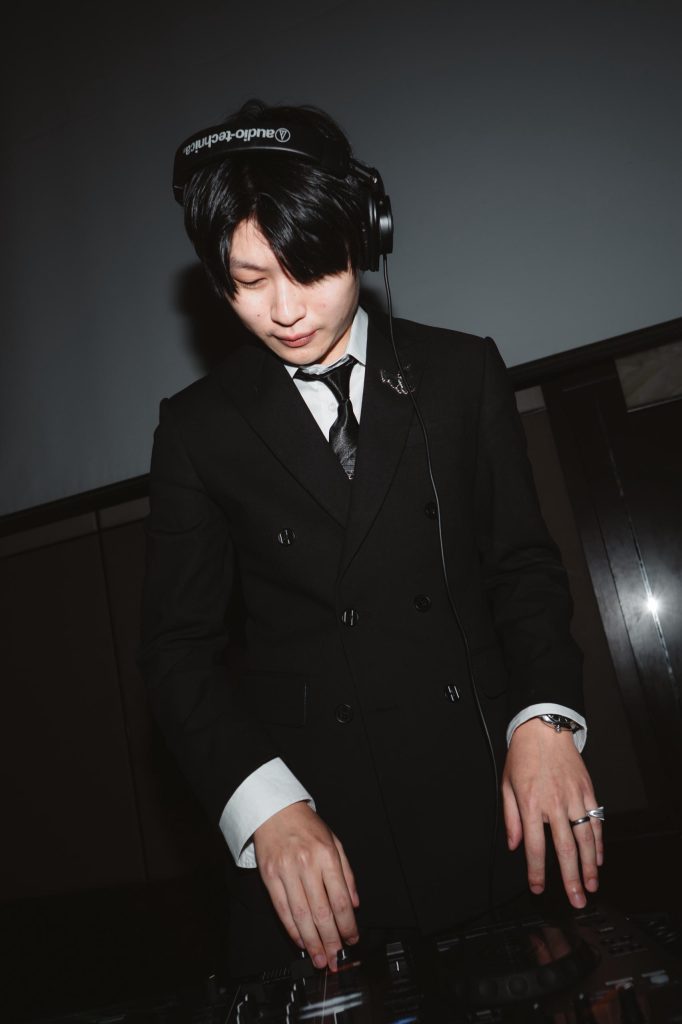
Day job: Graphic designer and architectural assistant
Collective: INTERMISSION!
In rotation: Beach Club Lounge, IDM, Ambient House, and Dub Techno. Honourable artist mentions: Chaos in the CBD, Leod, Polygonia, and Ness.
I started DJing at the end of 2018. Philip (a.k.a. 535eye) and I founded INTERMISSION! as an experimental pop-up space in KL to showcase sound and visuals.
My day job is as a graphic designer and, recently, an architectural assistant. Discovering tracks while working has been quite a habit, so maybe it’s part of my curation process too.
How do I balance the day job with the gigs? By having a limited number of gigs per month.
The best thing about being a DJ is curating playlists into mixsets. What kept me doing it was the nice instrument to play with.
The worst thing? The DJ stereotypes.
One of my favourite gigs was an InterValues event in Penang around July 2022.
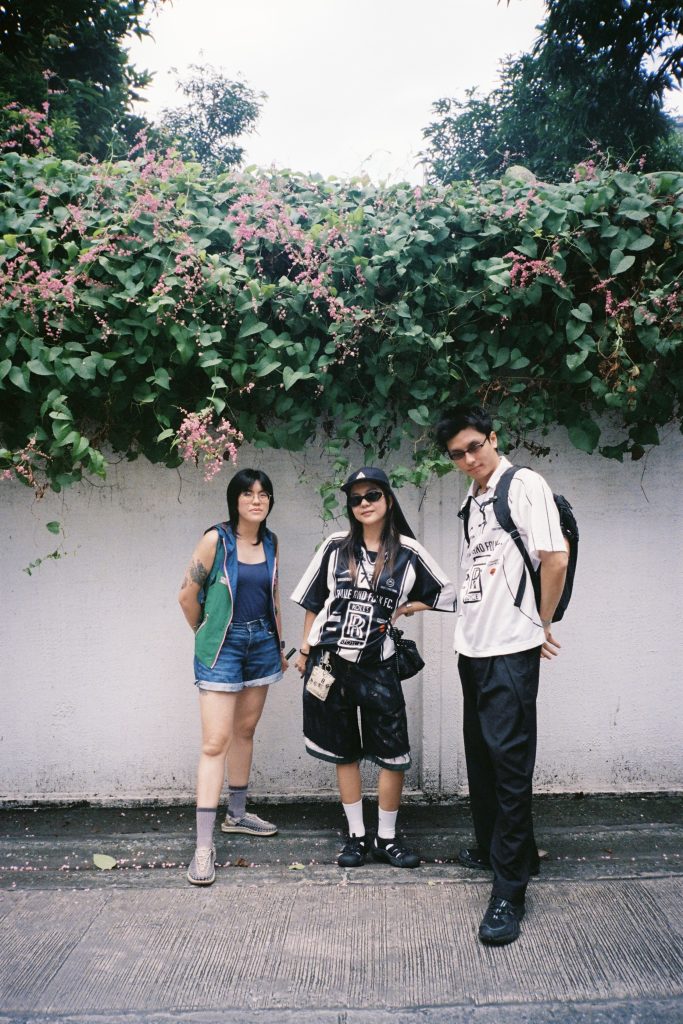
Day job: Photo and video production
Collective: Dining Room KL
In rotation: Hardgroove, Hypnotic Techno, and Bounce. As long as the tunes are good and the room is moving, we’re happy. It’s more about the energy of the lineup than sticking to one genre.
It literally started in a dining room. We were throwing small listening parties and practising because we didn’t feel like going out sometimes.
Eventually, people started asking if we’d play out, so we made it official. Dining Room KL is just three friends—Wckd, Lobach, and Saratonin—turning a side quest into a collective.
My day job is in production. If you know Dining Room KL, you know there’s always gonna be a DJ recording. We bring our own lights, shoot our own sets, and handle the edits.
In fact, our very first recording was a livestream from our actual dining room. Coming from a production background, we already had some equipment at home, and Wckd started setting everything up for a Twitch stream. That gave us the ground to kickstart our recordings and experiment until we had a proper, professional setup for our live gigs.
How do we balance the day job with the gigs? It’s simple. We ensure we hit our call times. As long as we show up on time, it’s a win for us.
The best thing about being a DJ is the people. We’ve met so many friends and made connections along the Dining Room journey that really go a long way.
The challenging part is staying consistent since this is our side quest, but we believe good things take time. We’re just trusting the process.
A core DJ memory is ‘Bop N Bot’, our first original concept recording. We brought a high-speed cinema robot into a DJ set, like being on a film set, but with no specific rules and a curated DJ lineup.
We wanted to show that everyone can have fun in their day jobs. Each of the DJs also works in production in a multitude of roles, such as photography, videography, or producing. Huge shout-out to the crew: 2117, Lightbeam, Laskar Sonas, ARC, XyperReal Stage, 3Particle, AlphaTheta MY, Colab, Senilab, and Triptyk.


Day job: (Former) investment banker
Collective: The Block Party KL
In rotation: Baile Funk, Afro, House, UK Garage, Hip-Hop, Bass, and rhythm-heavy music.
I started DJing while studying in Bristol during university. Being exposed to the underground music scene there was incredibly formative for me. The energy of those spaces, the sense of community, and the way DJs could guide an entire room through sound.
After graduating, I started learning how to DJ while working full-time, taking gigs wherever I could, and slowly building my confidence behind the decks. Eventually, that passion became strong enough for me to take the leap and pursue it more seriously.
My day job was in investment banking. It was a very structured, analytical environment, quite different from the creative, intuitive nature of DJing. Banking required precision, discipline, and long hours, whereas music allows me to express myself and connect with people in a more emotional and immediate way.
How did I balance the day job with the gigs? When I was still working in investment banking, it was extremely difficult. By my third year, the late nights, early mornings, and constant pressure took a toll on my mental and physical health. Leaving the corporate world allowed me to fully focus on my creative path, which my parents weren’t too happy about at the time.
Now, although my schedule is busy, it feels much more aligned with who I am. I’m not only DJing and touring, but also running an events company, building sound systems for corporate brands, creating content, and much more. Being tired from something you’re passionate about is a very different feeling.
I love the feeling of building a community around moments of connection—seeing familiar faces in the crowd, watching people connect with one another, and knowing those experiences are shared.
At the same time, the industry can be emotionally demanding. Being in a public-facing role means people will always have opinions, especially when you’re part of a newer generation. Even after two years, I still feel imposter syndrome—questioning whether I belong in certain spaces. There have been nights when the pressure felt so overwhelming just minutes before stepping on stage.
Learning to navigate that noise while staying true to yourself can be difficult. But what I’ve learned is that growth requires resilience. Sometimes you have to take a deep breath, quiet the outside voices, and trust the work you’ve put into your craft. In the end, the love for music always outweighs the difficult moments.
One of the most special moments is when the crowd completely trusts you. I’ve played tracks that people may not have heard before—sounds from different parts of the world, or genres that aren’t always common in the local scene—and instead of resisting it, the crowd embraces it. They move with you, they stay curious, and they allow you to take them somewhere new.
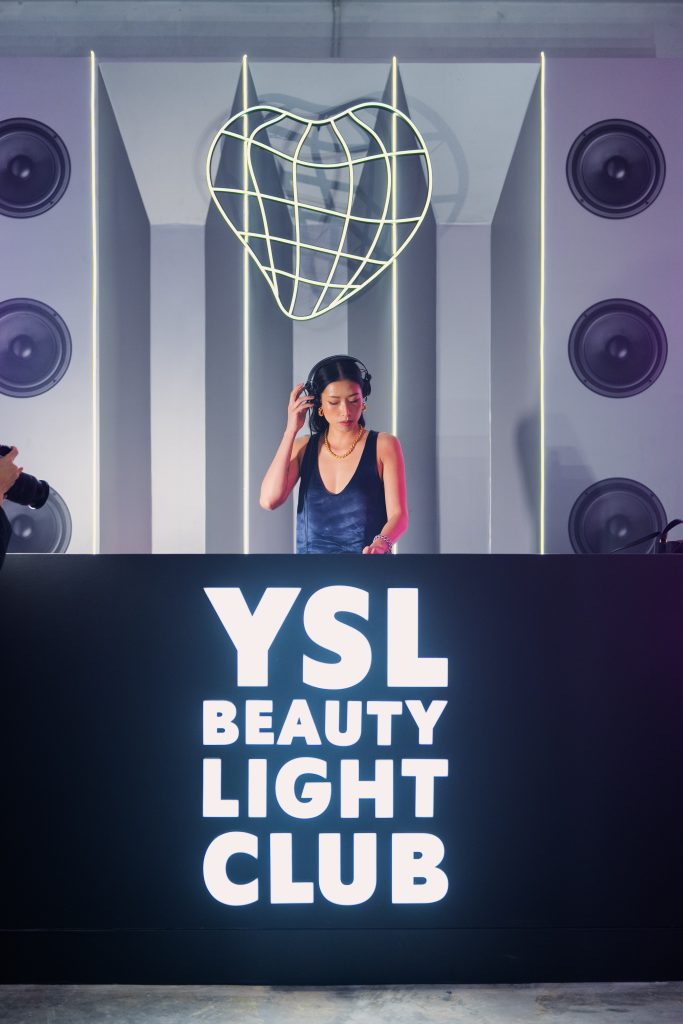
Day job: Yoga, fitness and movement teacher
Collective: even if.
In rotation: A track or genre that feels as if it were chosen just for the crowd. So, it depends on the room and who’s in it.
Music has always soundtracked my life since childhood. I built a library of sound; it was asking to be expressed. I thought it was a good way to give energy back to the world around me.
My day job is yoga, and I also teach fitness and movement. Some days I host events. These callings might sound worlds apart, but aren’t that different in philosophy—tuning people into a collective frequency and holding space for that feeling.
How do I balance the day job with the gigs? Be intentional about what I say yes to, then get up and get it.
I’ve been enjoying stepping back from the music and letting it speak for itself. It has been nice playing sets that land at the right time and place, without me having to be performative about it. It’s an intimacy I enjoy, connecting with a space and the experiences of the people there.
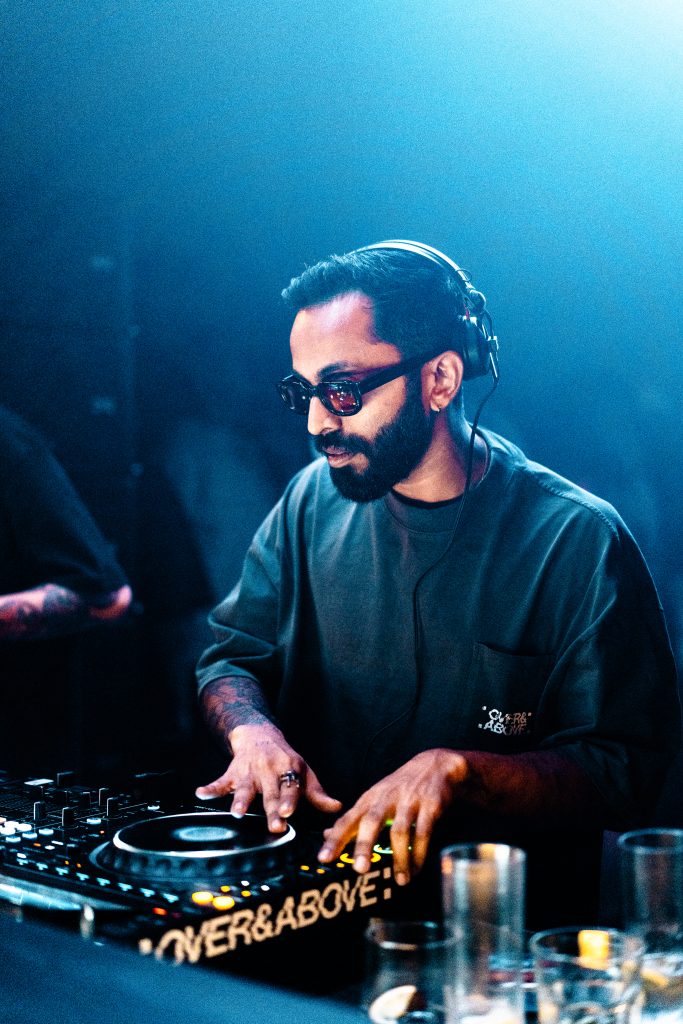
Day job: Marketing, Over & Above KL and RK Live Asia
Collective: SaturdaySelects
In rotation: House and Disco, but you’ll also catch me playing some Hip-Hop, R&B, and Global Music from time to time.
I used to go out to the clubs when I was in university, and I was always mesmerised by the DJ.
When SaturdaySelects first started, I was in my final year at university. It was originally an audio-visual project that grew into an event series and what it is today.
My day job is actually within the same industry. I run SaturdaySelects and also work closely with Over & Above KL and RK Live Asia on their marketing teams.
How do I balance the day job with the gigs? In the beginning, it was tough having to play two to three times a week. Then, going to work the next day.
These days, I’ve found the right balance with one or two gigs per week. I also take frequent breaks to make sure I don’t lose my love for DJing.
I believe dancing is a cathartic release for most people who go out.
The worst thing? The many, many, many… tequila shots that make their way to the decks!
One of the best things is being able to control a room that trusts you to take them on a journey; that’s the best feeling. When you play music to a room filled with people who are all connected, smiling, dancing, and screaming together. Honestly, that’s what keeps me going.
One of my favourite gigs was playing at Ulu Cliff House in Bali and opening for Benji B. I played a three-hour opening set!
What made that moment truly stand out was seeing 1,500 people dancing to Daft Punk’s One More Time—and not a single phone on the dance floor.
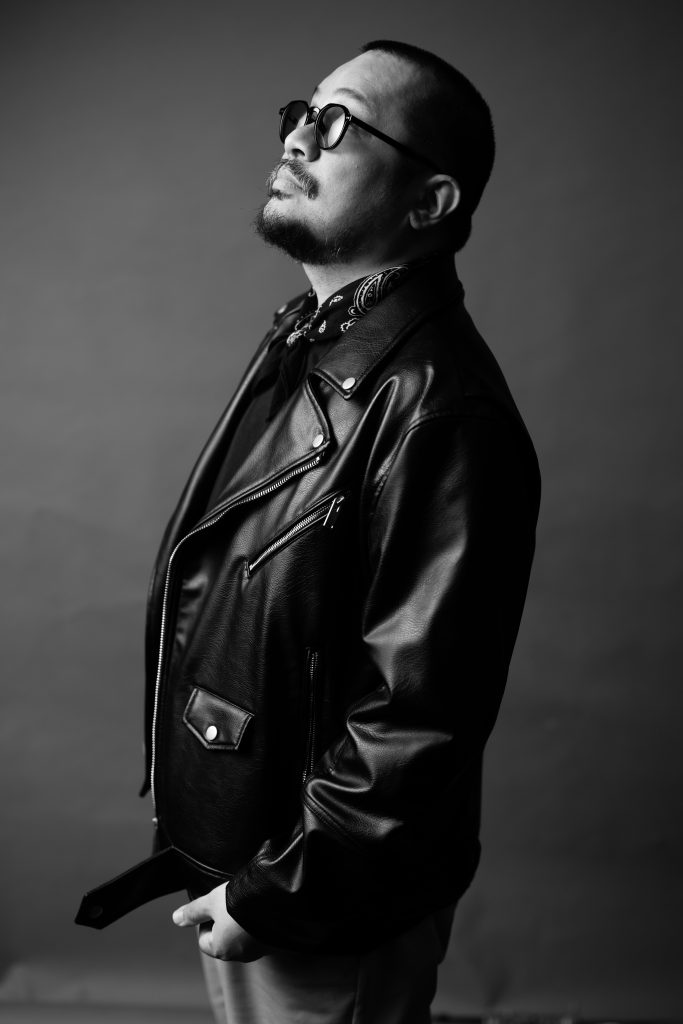
Day job: Founder of a Creative Agency, Zero Asia
Collectives: DANGERDISKO and Bad Habits
In rotation: Anything fun and dancey, ranging from Nu Disco, Classic House, Funk, New Wave, Bloghaus, and Southeast Asian dance music.
I started DJing when I was 14 years old. There was a record shop near my house in Subang Jaya. I would always swing by after school to see guys DJing. One day, the owner offered me classes. I told him I couldn't afford it, so he gave me a part-time job cleaning up the shop in exchange for lessons.
At the time, DJing wasn't as accessible as it is now. You could only practice in clubs or record stores that had equipment.
DJing started out as a pretty casual thing for me; it wasn't until I reached my 20s that people started paying attention to what I was doing, and it started becoming more serious.
My day job is not too different from DJing. Both require a deep understanding of the media involved and how they impact the people who consume them.
We curate influences and references, blending them together to create new and exciting campaigns—just like a DJ mixes music genres to create a whole new sound.
How do I balance the day job with the gigs? I don't, haha. But after doing this for almost two decades, you get the hang of it. It's twice as hard when you have a family, but they’re used to it.
The best thing about being a DJ will always be the people. I've met so many amazing people through DJing. It has opened up more doors and got me into rooms I never imagined I could be in. A major contributor to my career comes from the network of friendships I've formed through DJing.
The worst thing? Aside from the late nights, it's the negative stigma that comes with it. People still see DJing as a negative art form because it's associated with nightlife.
However, I think making people dance is a privilege. Dancing is one of life's solutions to everything. Had a bad day at work? Go dance. Looking to improve your health? Go bust a move. The world would be a much happier place if people danced more.
One of my favourite gigs would probably be opening for Sheila Majid at Stadium Negara in 2017.

Esquire Malaysia
©2026, Heart Media Pte Ltd
