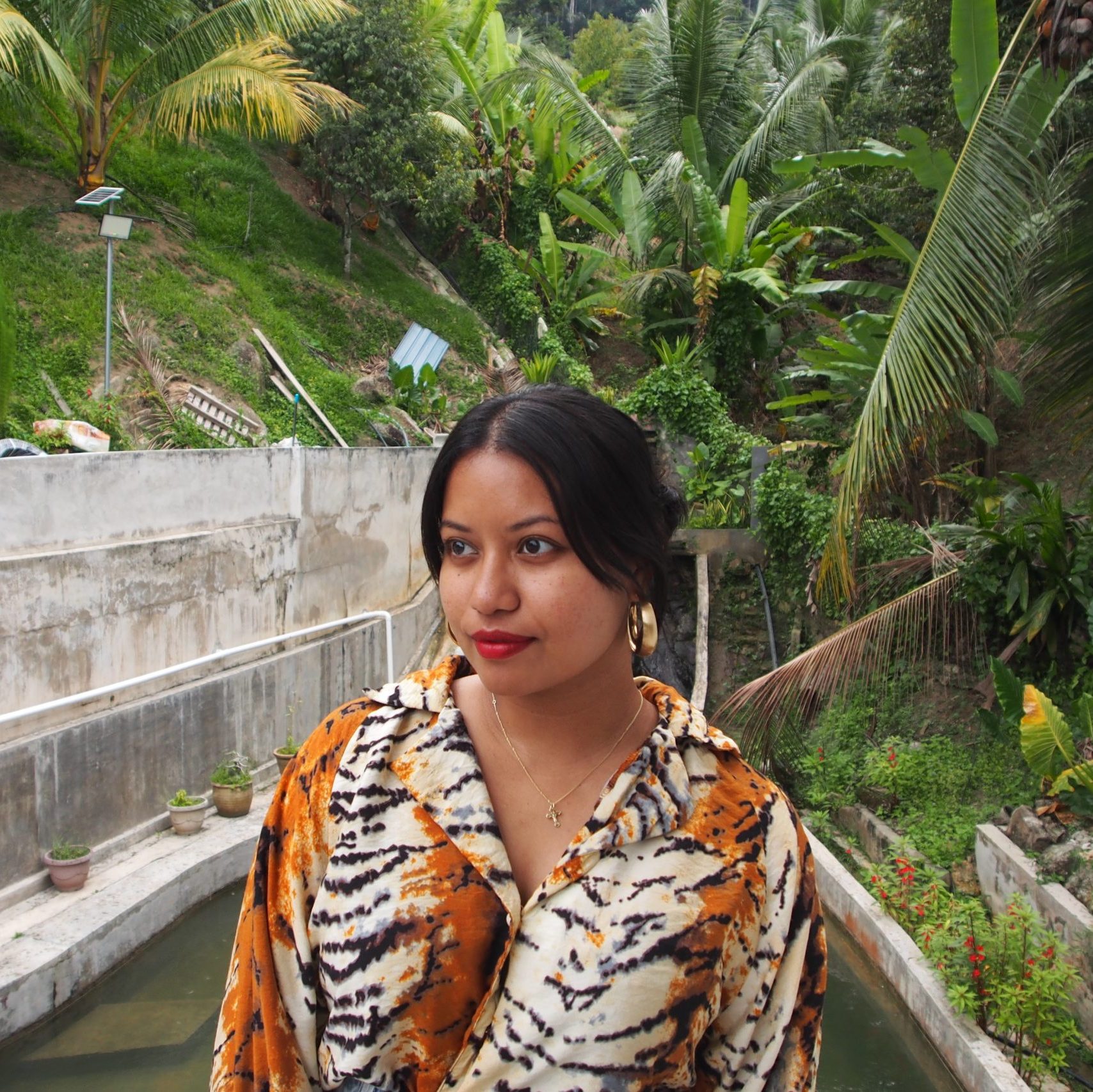
Honouring Esquire's tradition of publishing culture and literature, How I Wrote It is a monthly series that puts the writing process front and centre. Each edition invites a writer to speak plainly about how a specific piece of work came together.
This issue features Sharmini Aphrodite on the making of her first published collection, The Unrepentant: Short Stories (2025). Sharmini walks us through her writing routine at the time and the historical research that shaped it. She also reflects on writing beyond the archive, the limits of official histories, and the people often left out of them.
From ‘Antipodal Points’, The Unrepentant: Short Stories
He wakes that morning to the sight of raindrops clinging to the eaves through the window. He watched her leave the chapel yesterday and remembered something else the Jesuit had told him. He had once visited the churches in Borneo, where the Mass was still said in the mother tongue, banana hearts left at the altar. The name of the first Creator, whose spirit is in the fields, in every grain of rice, here before the Europeans arrived. That Name still said in the Mass—in the place of the Holy Father—so that He is still folded into the language of worship, hiding in plain sight.
He rises and gets ready for the day: a few house visits, another Mass that evening. The weather that day is strange, indecisive, and he feels a sense of sea in the air, the salt that must be drifting over from the Straits of Johor. They are only just near the border. He came from a line of seafaring men, grown up himself along the sea in Melaka. Not a few hours from here. He can still see that kampung though it has been years since his return. He imagines his father in the family home, the rattan chair on the verandah. The creaking wood and the howl of the wind rattling through the house during inclement weather. It has been a long time since he returned to his father’s house, but he can still recall the line of driftwood hung against the living room wall, heaped with whelk, the icons of the Christ Child and Virgin. No pictures of his dead mother. It was a time long ago, after all.
* * *
He had understood what it would mean for him to become a priest, what he would need to leave behind. In his training he had been told that devotion could be learnt, that it was nothing but learning. A constant discipline. Faith was the effort of cultivation—each moment it faltered was simply a chance to remake it anew. It was not like being left to fate or the whims of others. It was not like leaving your livelihood to the weather, your hunger to the temper of the sea, which for centuries had bound him and those before him, so that a part of him still would always love the brine of the seaside, the rush of waves against the shore.
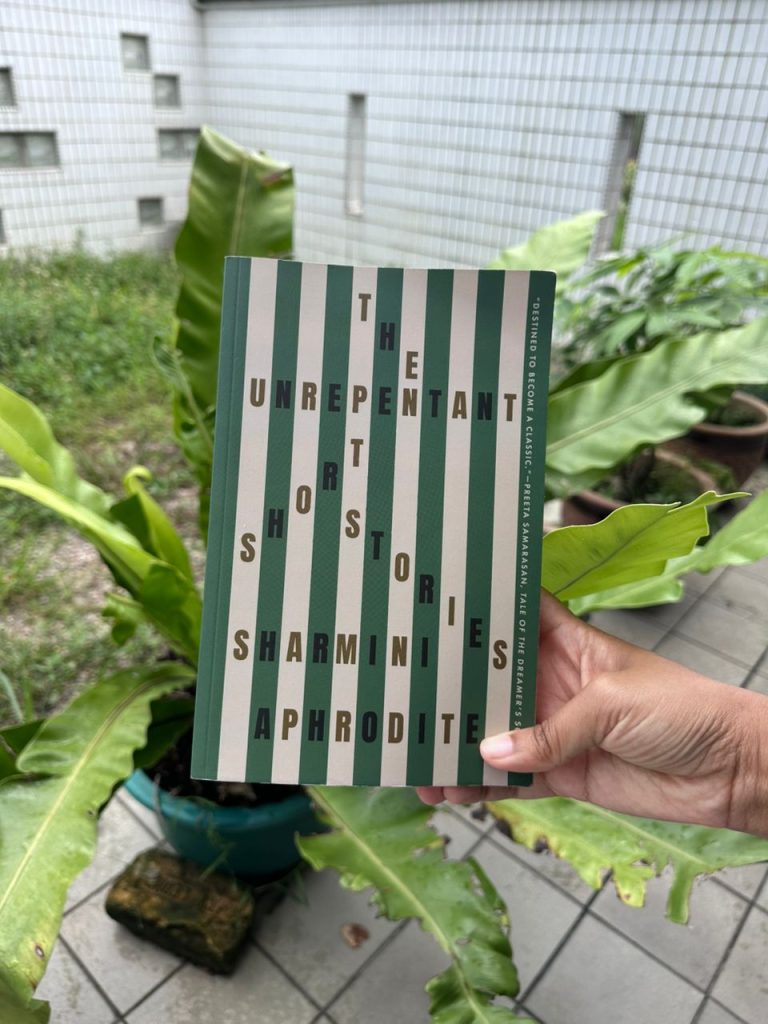
The first story that I wrote was ‘The Light of God’. The journal PR&TA reached out to me to submit to its inaugural issue on the theme of migration. I remember the idea of a collective voice, the “we” voice. I didn't know what the story would be about or where it would be set, but it was that voice first, then the story followed.
The difference in approach for a short story collection is that after I write, I actually have to look back at the pieces. I don't usually have to do that with a single short story because once it's out, it's out. It was a matter of putting all these stories together into a coherent collection.
I was only sure that ‘The Light of God’ would be first and ‘Crossing the Border’ would be last. ‘Tashkent 1968’ and ‘One Hundred Perumals’ were near the front because they share similar plantation stories, while ‘Doghowl’ and ‘Again, through the Glass’ sat in the middle because they're twin stories with themes central to the whole collection.
What interested me was the reflective phase, and mainly the question of time. Looking back two years after I wrote the first story, and seeing which themes kept resurfacing and which motifs kept re-emerging. It was a patchwork, but I do think there was some mirroring. A mix of the lighter, shorter stories versus the longer ones.
This isn’t really a Malaysian collection, but a collection about Malaya. Sabah and Sarawak have their own rich histories that deserve a dedicated exploration as well.
During the COVID-19 period, the border was closed. I was working in Singapore, making the daily commute. I had a 9-to-5 job, which was online, so I had more flexibility. During those two years, I wrote the majority of the stories from Johor Bahru (JB).
I have a very significant and complex relationship with JB. I am Sabahan, while my dad is from Penang. I grew up in JB, and there’s a big Bornean diaspora here because of the proximity to Singapore. It’s a very transient space. I hope that sense of fleetingness rings true in the writing as well.
I tend to write story by story, so the ideation part isn’t really a routine. Whenever an idea comes to me, I usually have the time, or I put it aside for when I know I have a free afternoon to sit down and finish it. I write in the middle of the day because usually, in the morning or evening, there’s always something to do.
The manuscript went through six drafts and a couple of proofs. My partner read some of them, but aside from that, my editors were the main ones shepherding it. They saw a fresh, early draft. Editing is the part that requires routine.
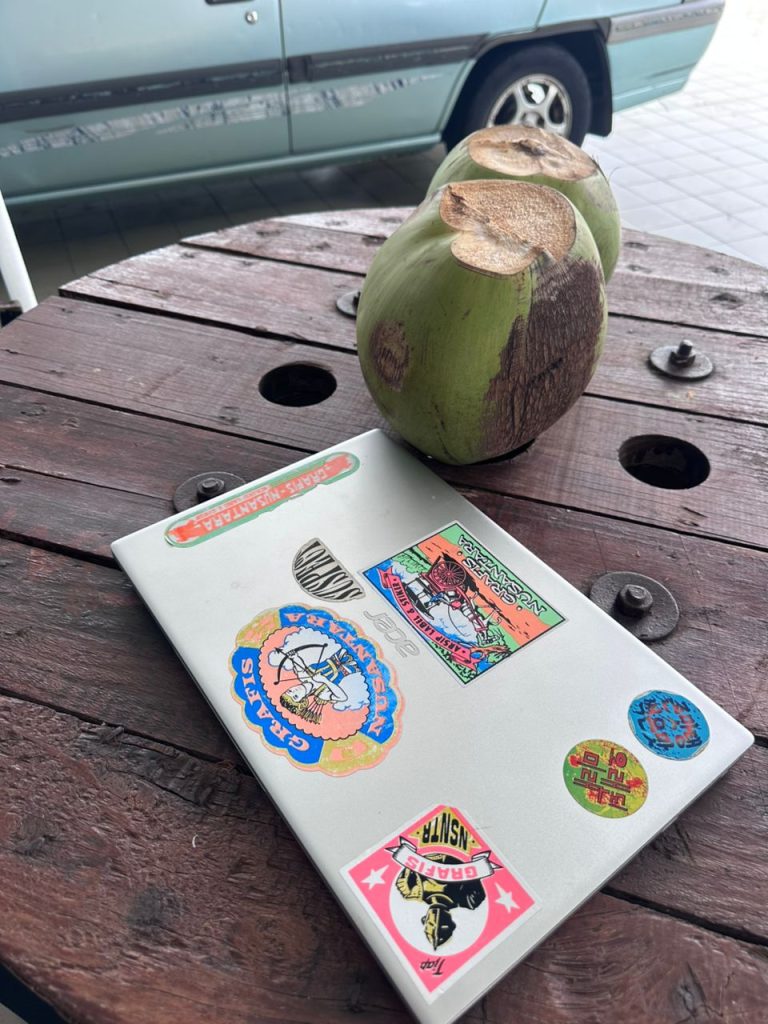
If I’m going to a talk, I like to take notes with a pen. I’m not very technologically advanced. Otherwise, the computer is easier—that’s where I do all my writing. I tend to write quickly, so everything is in one place.
I use Word, and I don’t use spell check because it annoys me. Sometimes the words are not in English, or I purposely spell something in an unconventional way. Then I see the red line, and that pisses me off.
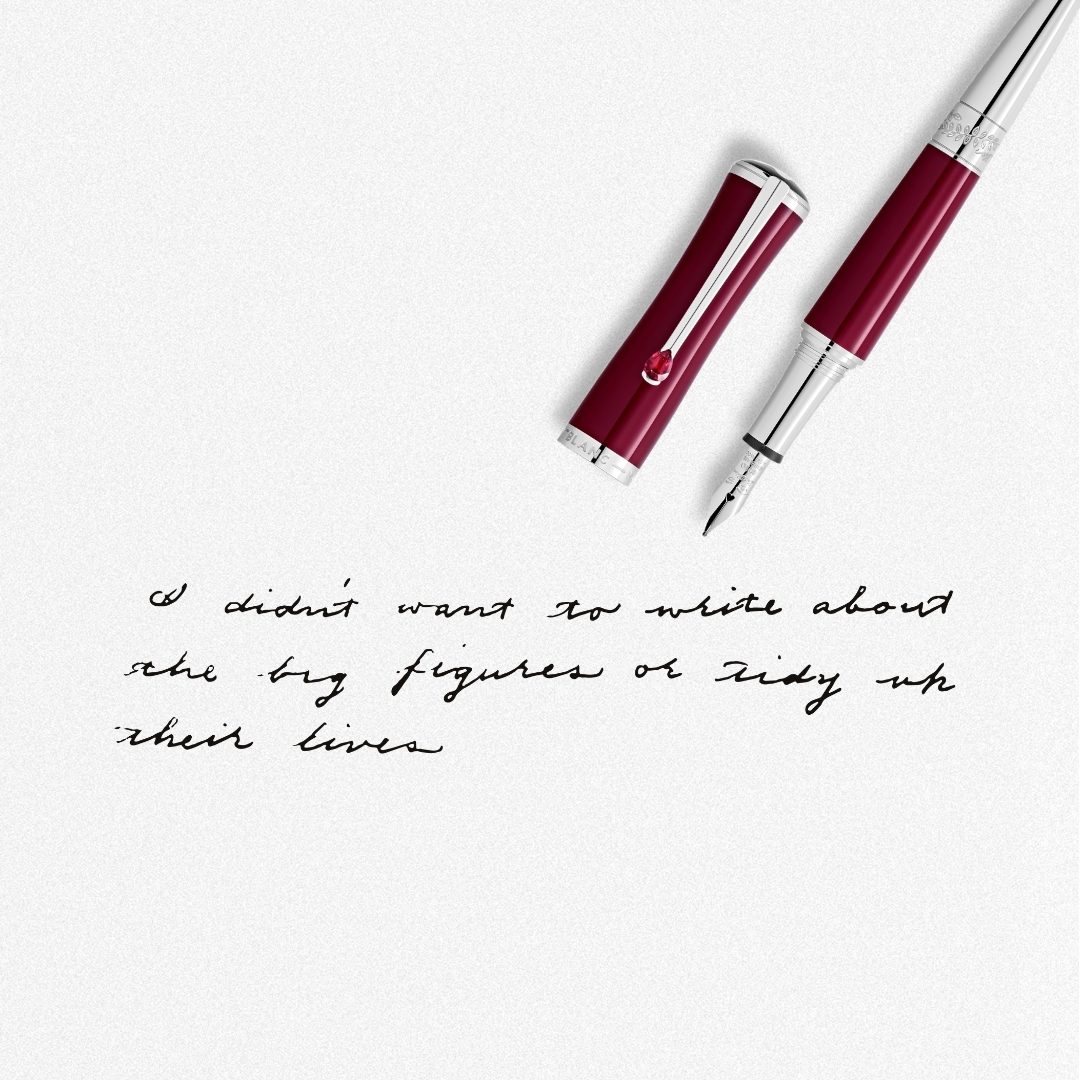
I was interested in lesser-known histories, but not in sanitising them. I didn't want to write about the big figures or tidy up their lives. I was more interested in characters within the peripheries of the moment. Stories about plantations feature quite heavily in this collection, like in ‘My Father’s Country’, with the perspectives of Tamil labourers. Even in historical scholarship, it’s a lesser-known area of the Malayan Emergency.
It was also effective for me to write from the marginal perspective of a child in ‘The Light of God’. It’s different from what I’d usually consider. For instance, politicians in the US and USSR would be thinking about statecraft or political manoeuvring. If you're a kid, you're thinking, “Oh, I really want to go to space”. The concept of outer space, football, or even a beloved pet can immediately bring adults back to their childhood selves. It's so sharp and quite humbling to me.
Each story demanded its own approach because it was guided, first and foremost, by the characters and their material circumstances.
‘One Hundred Perumals’ centres on a real figure. Initially, I thought this character died in the struggle against the British. I found out quite recently that it was actually the Malayan Communist Party that killed him for reasons that were not justified at all. This grounded my desire to see this collection as less about a specific party or ideology, and more about the individual actors involved in this larger historical moment. And I suppose their motivations and doubts amidst all this historical messiness.
History is an unfinished business. It’s something we think about in the present, and it’s always shaping the present.
Everyone assumes that I’ve done a lot of research before writing. That’s fair, but I actually did most of the research afterwards while tidying things up.
The stories are set in very precise moments of history, but what drives them is less about historical detail and more about setting or emotion.
At that time, I was pursuing a Master's in History, so I was reading a lot of related works for my coursework. I would read something like Dave Anthony’s Kaatu Perumal: Folk Hero of Sungai Siput, a collection of oral histories that later inspired ‘One Hundred Perumals’.
I would also know the broad strokes of history. ‘Atlantic City’ is about Batang Kali, and ‘Crossing the Border’ is about political exiles in Thailand, so I could sketch a scene just based on this.
I didn't write anything that took me out of the specific milieu or historical fact. I didn't bend history or write an alternative to what occurred. Everything I have written could have possibly taken place because all the stories are set against real events.
It’s a struggle to make things accessible to a reader while not wanting to explain, because that tedious explanation can take you out of the story. In ‘Again, through the Glass’ and ‘Atlantic City’, I explored the balancing act between the voice of a historian or a fiction writer, discovering that one does not necessarily eclipse the other.
I'm interested in thinking beyond the archives, or beyond orthodox interpretations of what an archive is. Archives can’t tell you everything because they were curated with a particular mission in mind, or by an elite or literate class.
With ‘One Hundred Perumals’, I was very fascinated by oral traditions like folk songs. It goes back to how the archives can never tell you everything. Sometimes, you just have to go out there and quite literally listen.
Even in academic research, that's not all there is to the story. Sometimes you have to follow the clues where they lead, outside or beyond the archive. Michael Ondaatje's The English Patient was a turning point for me in thinking about history not just as presence, but as absence as well—about the detritus left in the wake of these grand, sweeping historical events. Even that absence can be the interesting part. “Why is something excised?” or “Why is it not there?”
In ‘Tashkent 1968’, the film festival took place in Tashkent that same year. Social realist filmmaking was very significant in West Bengal, where the actress ended up during that decade. I used that example to depart from that historical source because we have no record of an actress from a plantation in Johor being a lead character in such a film, because that film doesn't exist.
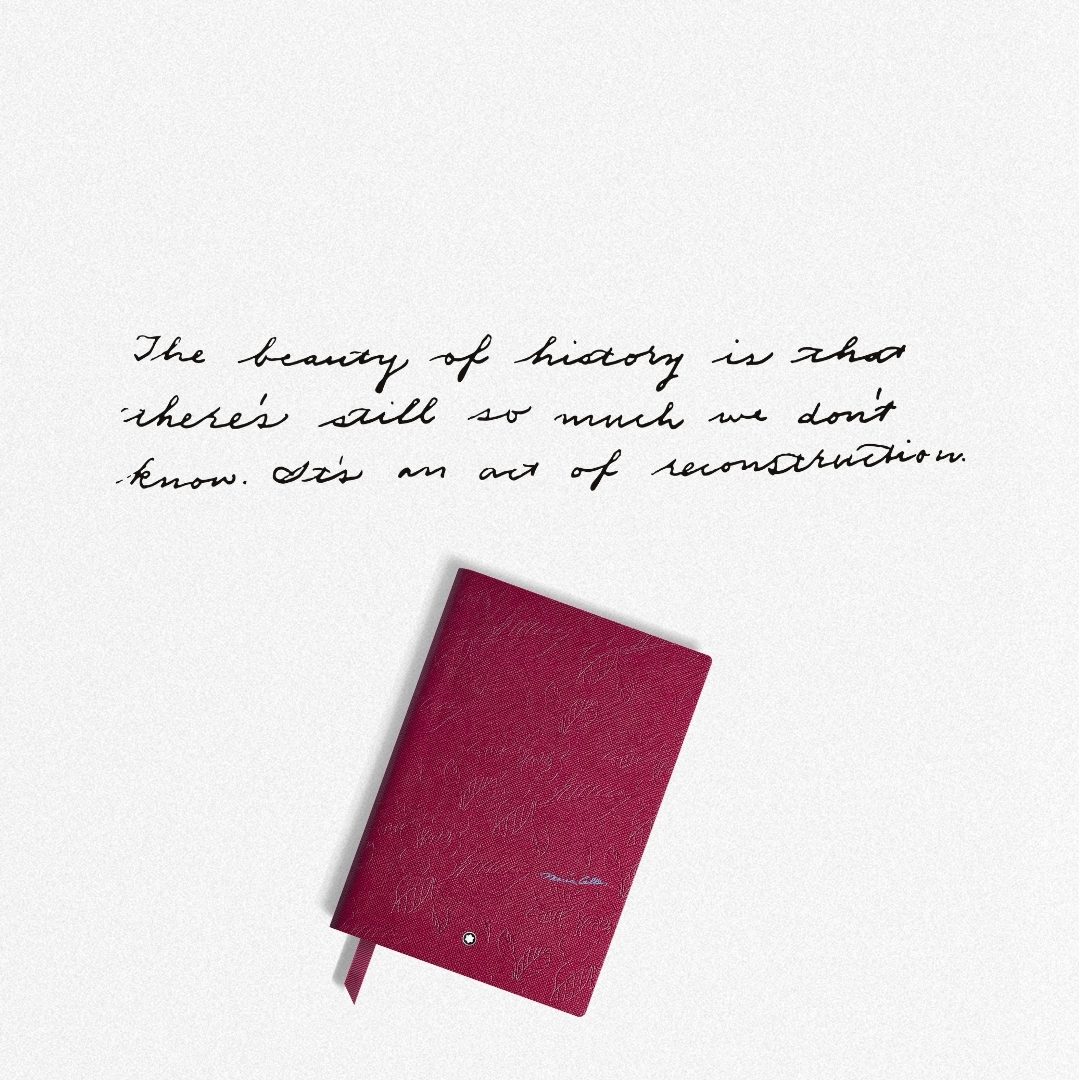
What exists on the historical record is only ever a sliver, which is what I find most interesting about doing historical work. The beauty of history is that there's still so much we don't know. It’s an act of reconstruction. Everyone will see a set of facts and find a different way of piecing them together.
Sharmini Aphrodite is a Malaysian writer from Sabah, who grew up in Johor Bahru. Her short fiction and essays on literature, art, and history have appeared online and in print. She is currently pursuing a joint PhD in Southeast Asian Studies between the National University of Singapore and King's College London. She is also the editor-in-chief of SUSPECT, a journal of Asian literature and art. The Unrepentant: Short Stories (2025) is published by Gaudy Boy.

Esquire Malaysia
©2026, Heart Media Pte Ltd
